“Choose any subject you would like to write about…” that is the object of the A to Z Challenge, and thinking of things that interest me is not a problem for me, but choosing a subject not only to write about, but to write in a way that other people will catch my interest – that is the real challenge! This year I turn to a subject, close to our skin if not our hearts, and yet, again, I wonder if this subject will get some people past the title on the list – dismissed as niche? For this year, my theme is What We Wear – Fabrics and Fibres
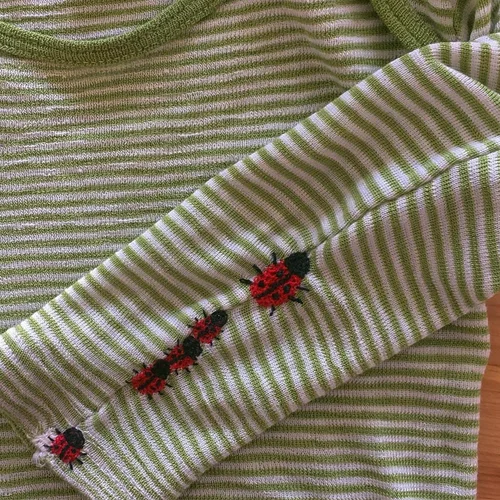
Once the weaving (or knitting) of fabrics had been mastered, it was but a short step to embroidering them with other threads. This may have come about by conducting small repairs, either post weaving to correct flaws, or post wearing, to repair damage, and indeed this phenomena is alive and well in the digital age with movements like “Creative” or “Visible” mending.

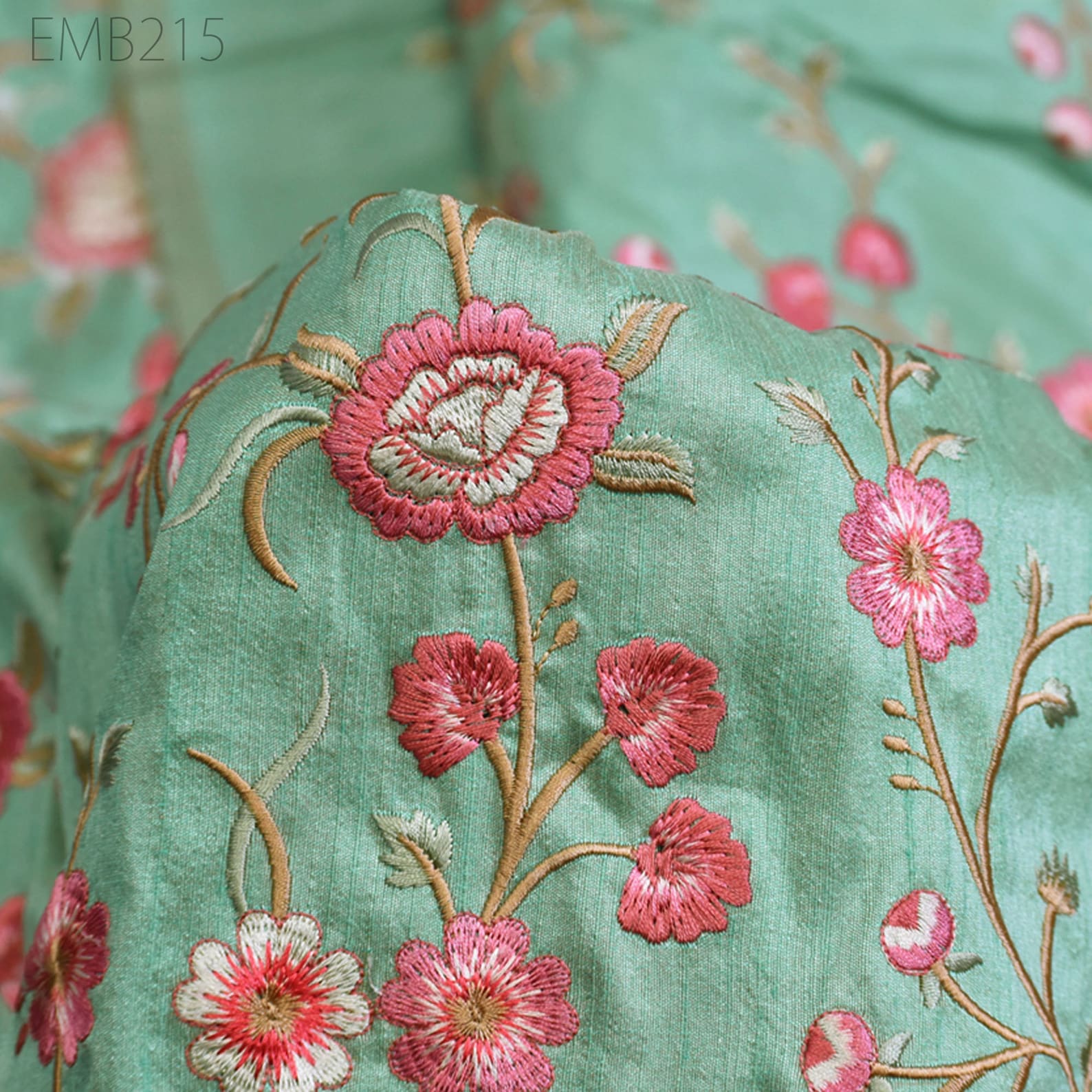

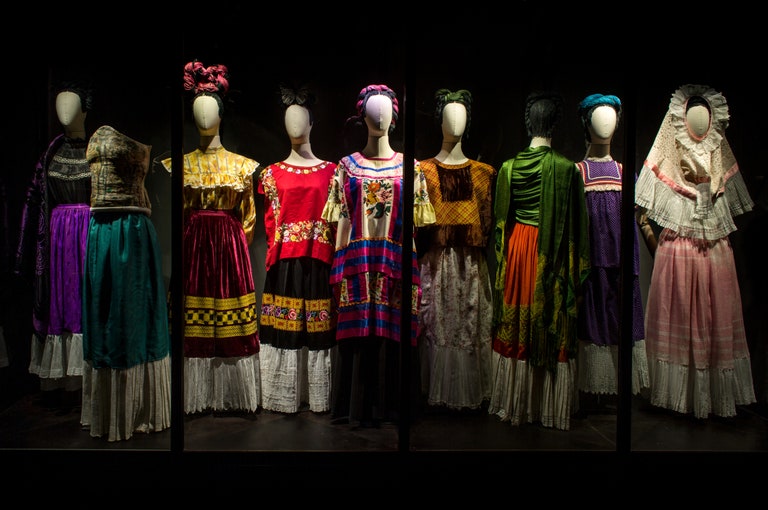
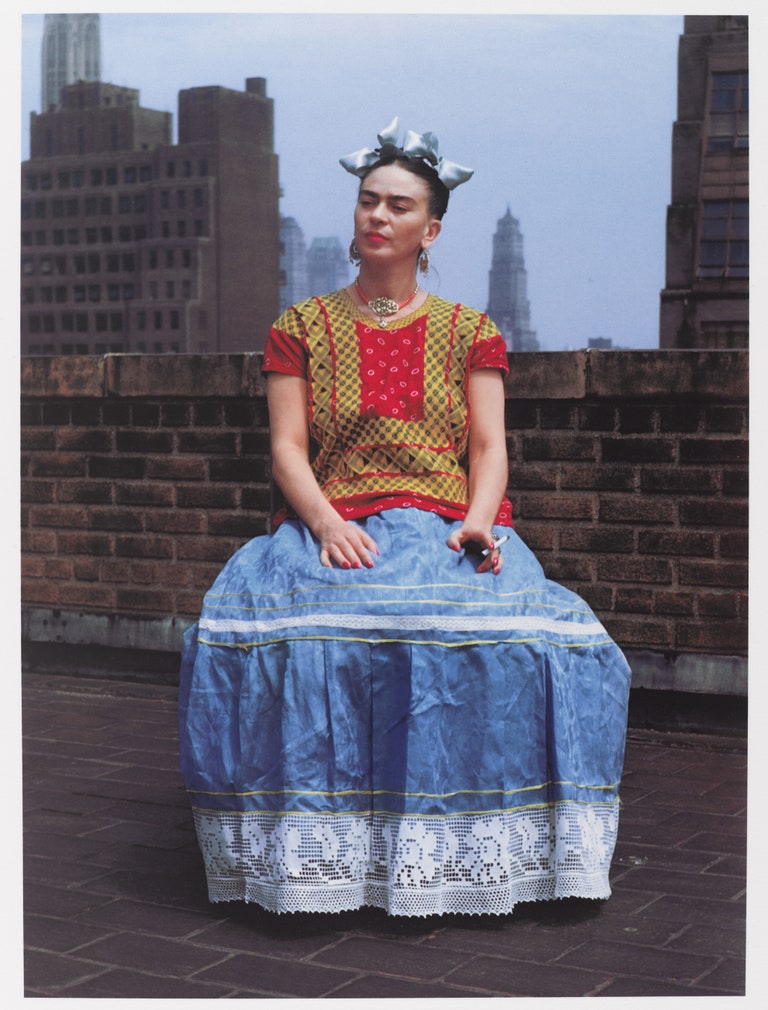
Traditional cultural clothes often rely on complicated embroidery to signal their origins, often showing not only national, but regional and even local identifiers. The embroidery may embody stories from history or signify the status of women v. girls. Such traditional clothes come in and out of mainstream fashion and one example, is the promotion of Mexican Huipil embroidered clothes by the artist Frida Kahlo.
“E Fabrics”
Eolienne (also spelled aeolian; similar to Poplin) is a lightweight fabric with a ribbed (corded) surface. Generally made by combining silk and cotton or silk and worsted warp and weft, it is similar to poplin but of an even lighter weight. In “B” we saw that different fibres could be combined in the yarn which is used toe weave or knit a fabric which combines the properties of the constituent fibres, but here, by using different fibres yarns for warp and weft, it produced a brocade-like surface decoration and lustrous finish. This made it popular for formal gowns such as wedding attire, especially during the Edwardian era.
Etamine is a loosely woven fabric with a similar structure to voile or a mesh. It is an open fabric structure manufactured with plain weaving by using hardly twisted cotton or wool yarns. Etamine was initially used as filtre cloth, but became popular in women’s skirts from 1910. Etamine was used in a variety of applications, including garments, nun’s veils, and even flags.
I compiled a list of as fabrics, fibres and related items as possible (278 items), from several sources, the most comprehensive of which was Wikipedia. Since there are only 26 letters in the alphabet, I could not write in detail about every instance so I have taken snippets of text for the brief descriptions and linked to the source in the name of the item. I am indebted to all the contributors to those Wikipedia pages and the depth of knowledge to be found there…
Well that’s creative! No idea how to do it, but love the concept.
“Life shrinks or expands according to one’s courage.” – Anaïs Nin
J (he/him 👨🏽 or 🧑🏽 they/them) @JLenniDorner ~ Speculative Fiction & Reference Author and Co-host of the April Blogging #AtoZChallenge international blog hop
To make beauty from something that needs to be mended… That’s so cool.
It really is – and there are several sites to look for inspiration…
One of the sites I use to look for this type of inspiration is:
Chavisory’s Notebook
and its author’s associated Tumblr page.
Chavisory has several clothes and accessories which exemplify this creative mending and DIY ethic/style.
I will check that site out – thanks, Adelaide…
Embroidery can be beautiful, time-consuming and long-lasting. I hadn’t heard of Eolienne. https://suestrifles.wordpress.com/2026/04/06/homophones-beginning-with-e-atozchallenge/
I love the idea of doing embroidery but I am terrible at finishing projects…
So many pretty pictures, Andrew. I like the idea of visible repairs and like the ladybug ones.
The Woodstock picture was pure joy.
Also I enjoyed Bel Jacobs’s ways with ladybirds and ladybugs.
And I think I know the A-version of one of your fibre techniques.
[and it makes me think of all the movies of Edwardian life – and the books as well. Maybe things like FORSYTE SAGA and late Trollope].
Houplii – this one gave me serious Frida Kahlo vibes! I know that she loved a lot of folklorico in her dresses and skirts in particular – it has a way of making sickrooms look and feel cheerful.
I appreciated knowing more about the construction and weaving of flags.
Glad you are enjoying it Adelaide – its been fun to do, though I still have 10 more to do come this weekend+…
You should follow the link for more Woodstock pictures – they are a blast!
Sewing Embroidery can be therapeutic. Only the doer can appreciate its value.
That is so true, Cai, i have a beautiful cushion and I often marvel at the hours of work that must have gone into it…