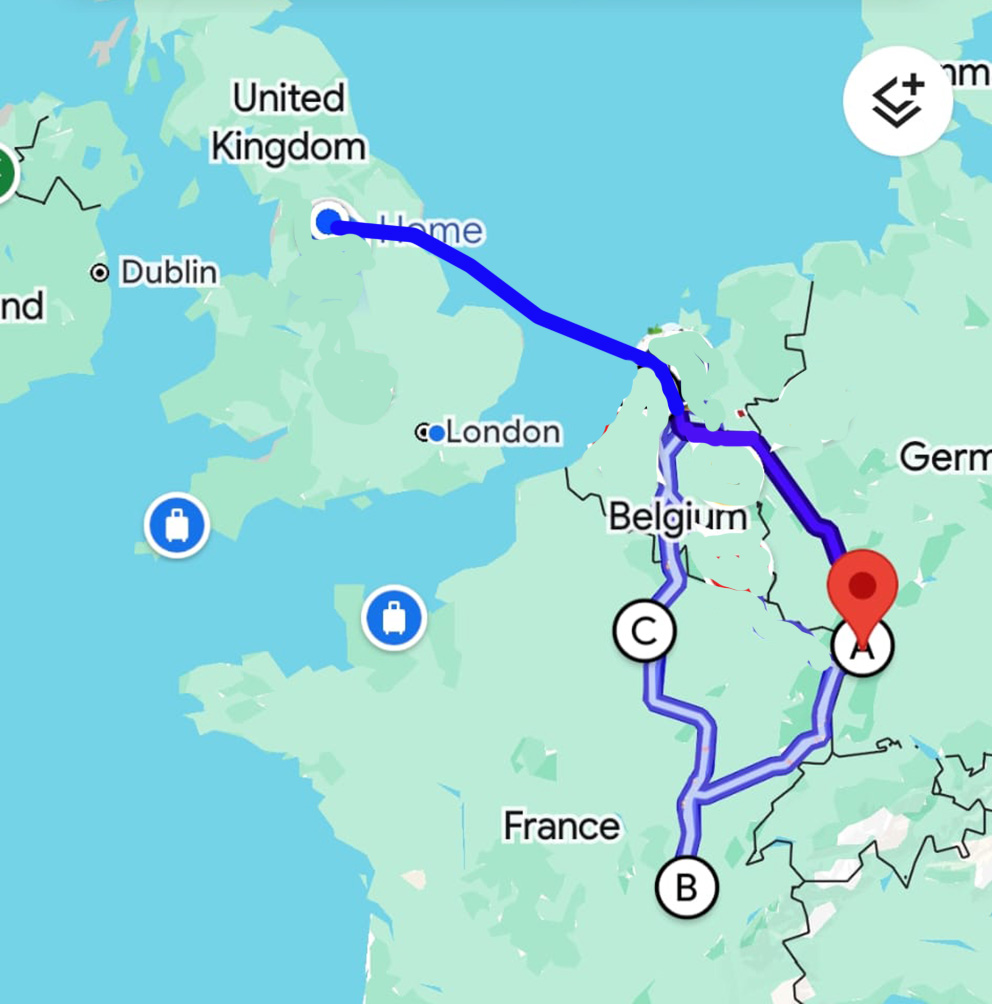
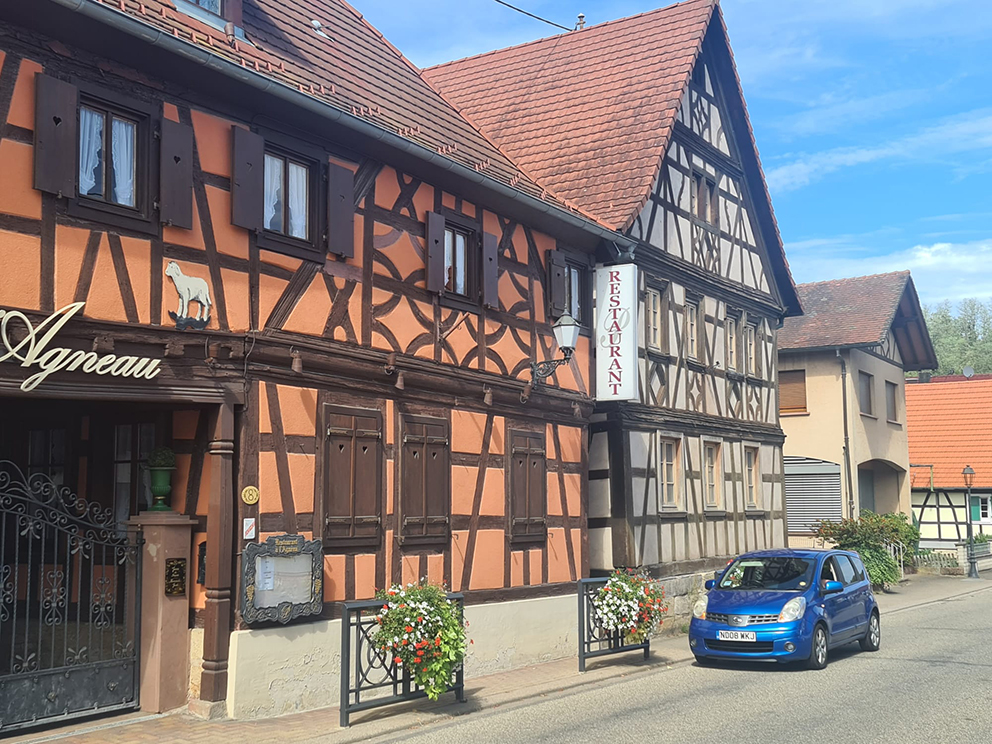
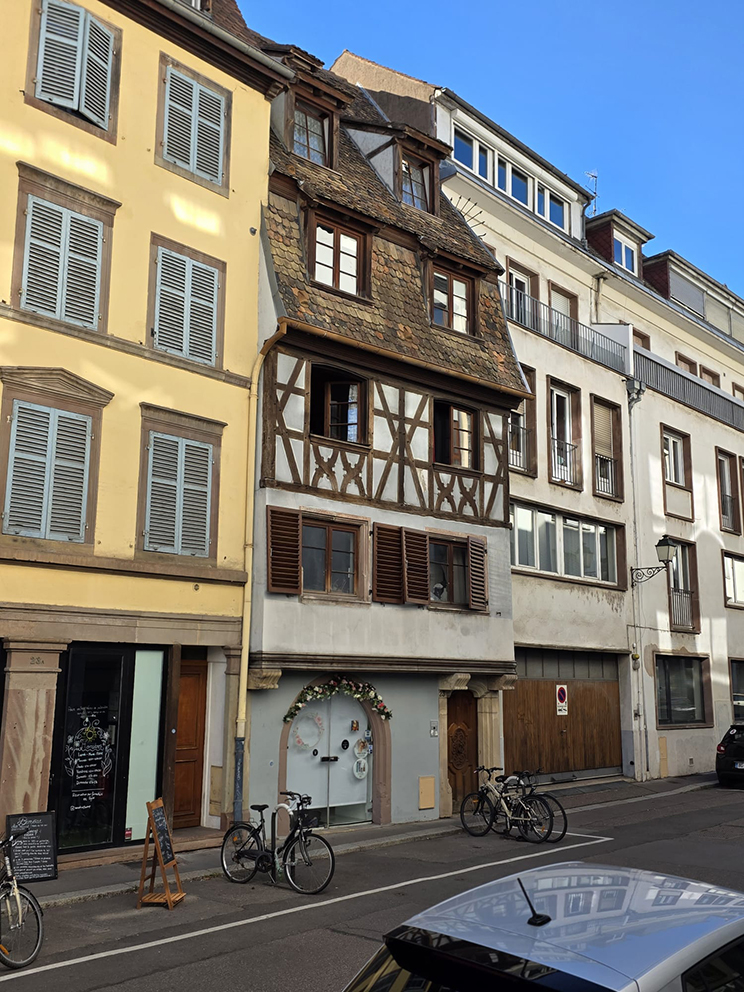
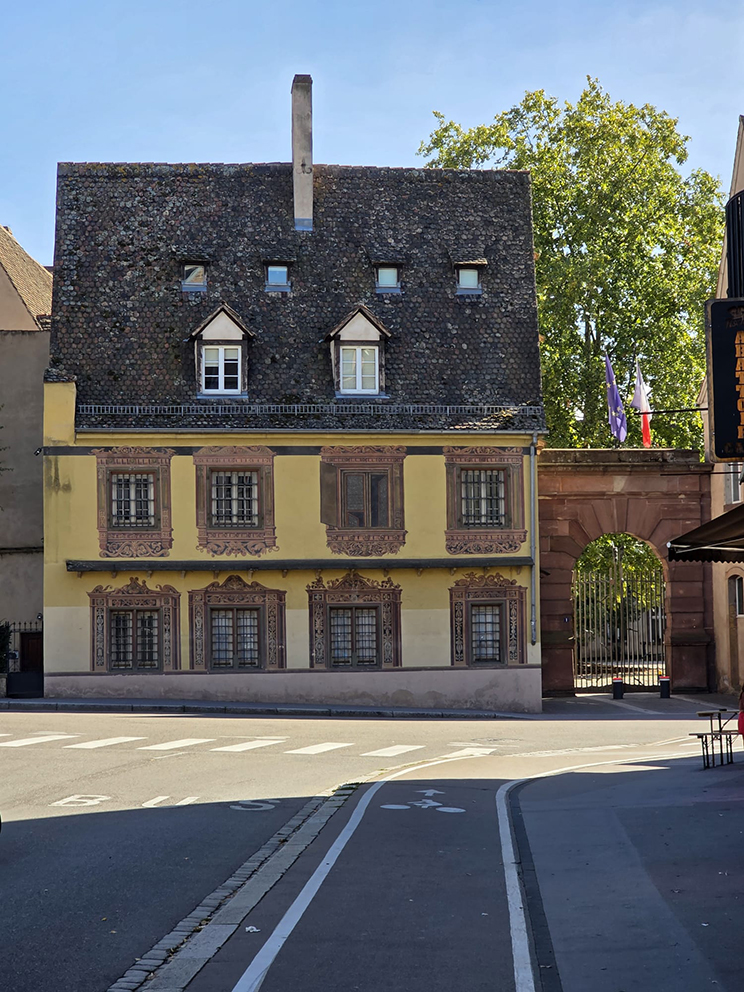
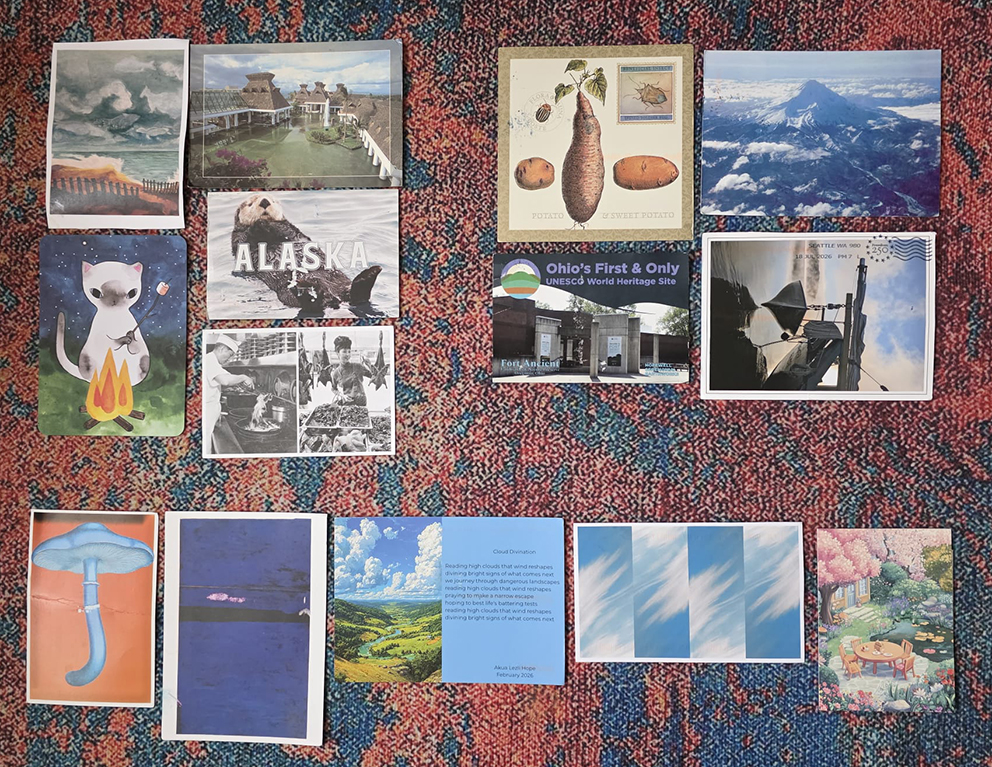
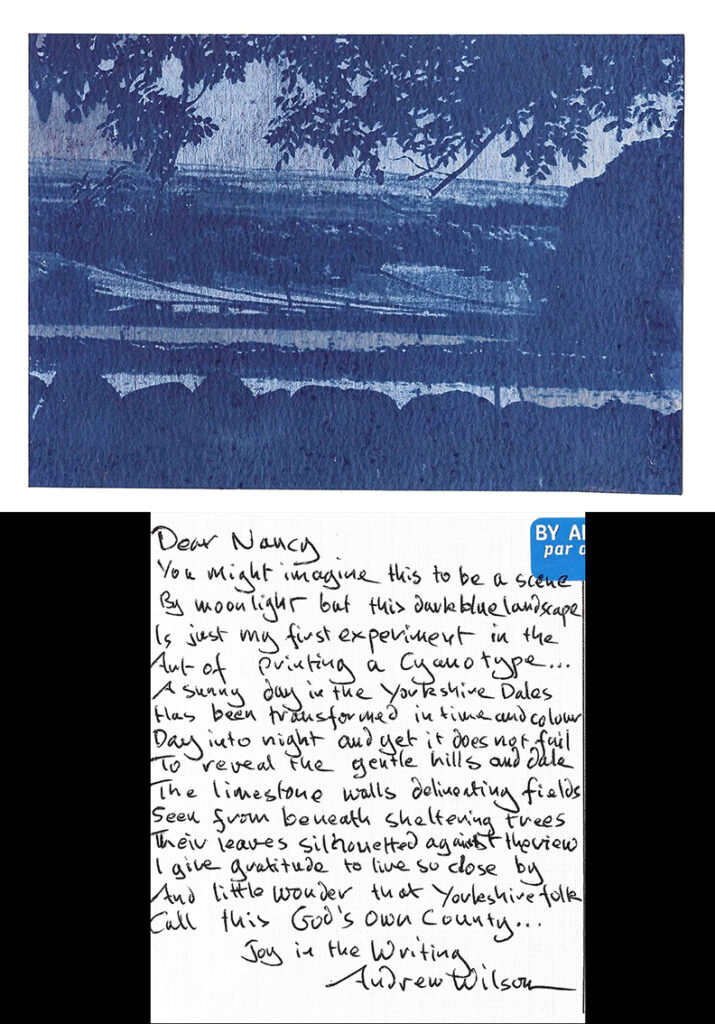
3rd May: Ten Things of Thankful

Ten things for which I give thanks this week…

I am glad to have finally finished the A to Z 2026 Challenge at last, for whilst I enjoyed learning everything I hoped and more, and have had comments of similar enlightenment from readers, I did set myself a mighty task this year, and if I do it again, I will give myself someting simpler which will also allow me more time to keep up with other participants…

Normally, I shower, but on Sunday mornings, I have breakfast in the bath, with a book! I am grateful for having allowed myself this small decadence and I sometimes read non-fiction long-form which I otherwise have little space for, however, I have been reading Chimamanda Ngozi Adichie’s Half of a Yellow Sun and even if I manage 20 pages, at 433 pages in total, it has taken a long time. The title, is eventually revealed as the flag of the short-lived Biafran republic and the novel is, in the author’s own words, about Love and War. For who would want to read a novel purely about war without being fleshed out with real characters. I have been writing a similar novel in a desultory way for about the last 20 years. Similar in that the Rwandan genocide lies at the heart of the story and similar in that it concerns fictional characters caught up in a history which is ultimately the result of colonialism and equally awful post-colonialism. Writing and reading such books is hard, because the material is dark, however it is not all dark and there is a sub-plot (with a little humour) which is finished and can be read alone if anyone is interested… I hope that now the A to Z is over, I might return to the novel and nudge it toward completion…

Barbara and I have made an agreement to go out somewhere each weekend, use her boot scooter to get around and so far we have stuck to it…
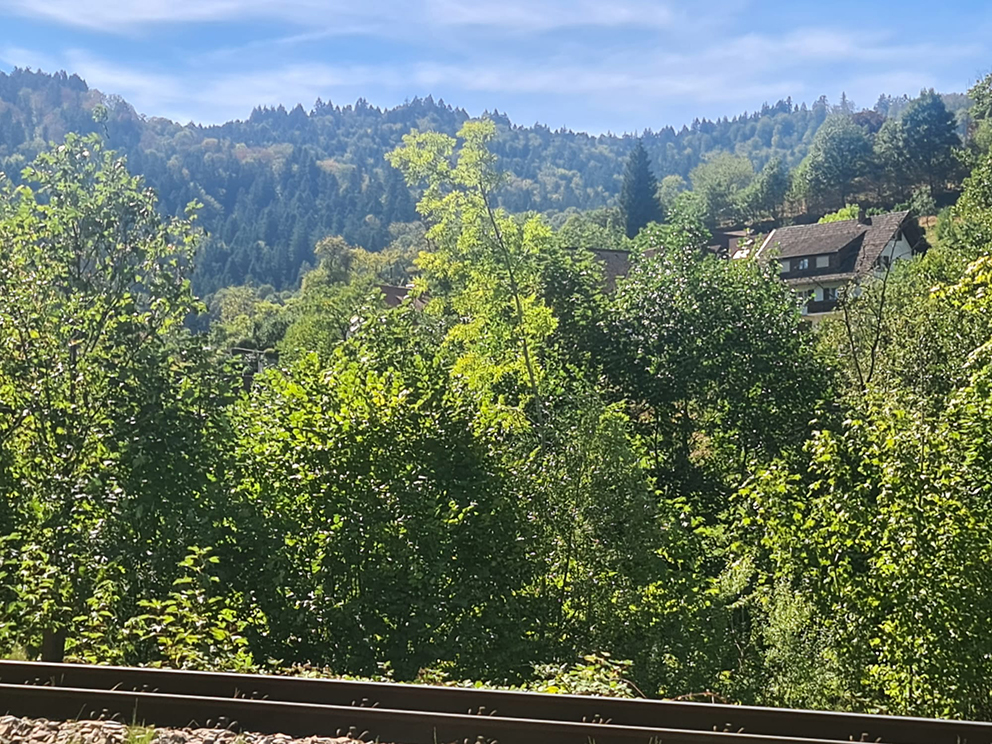
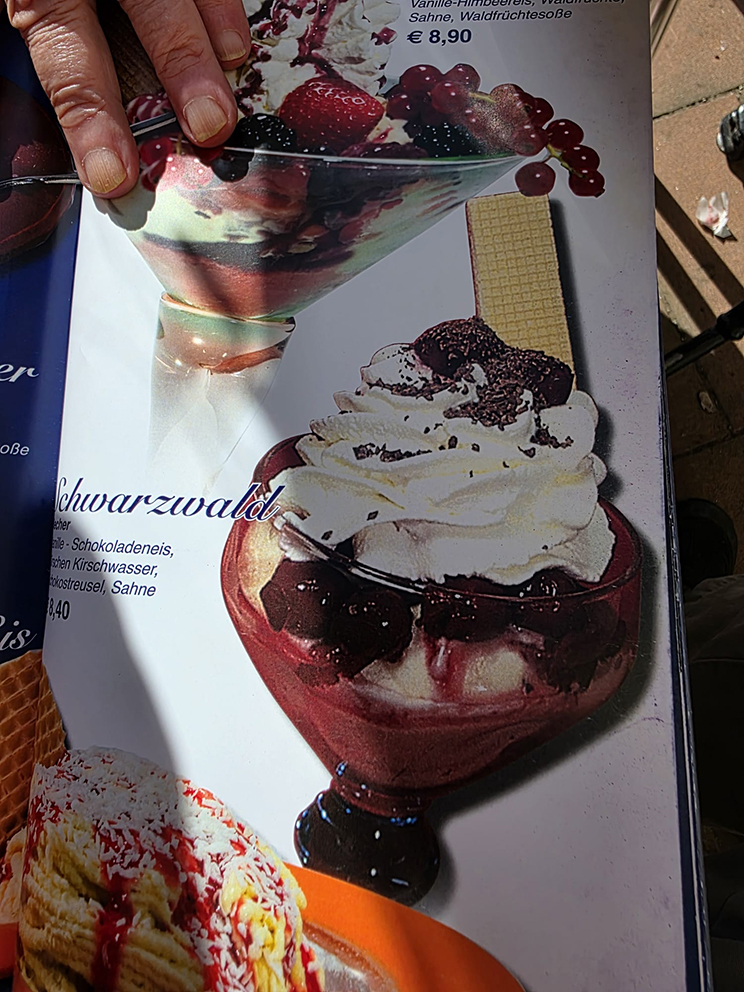
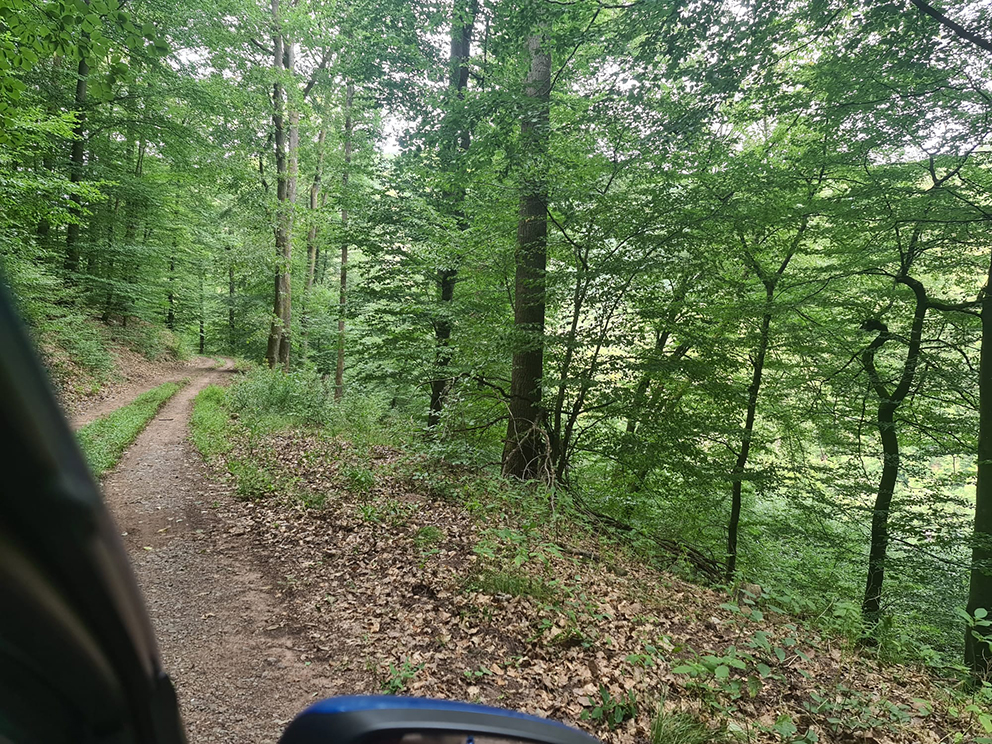
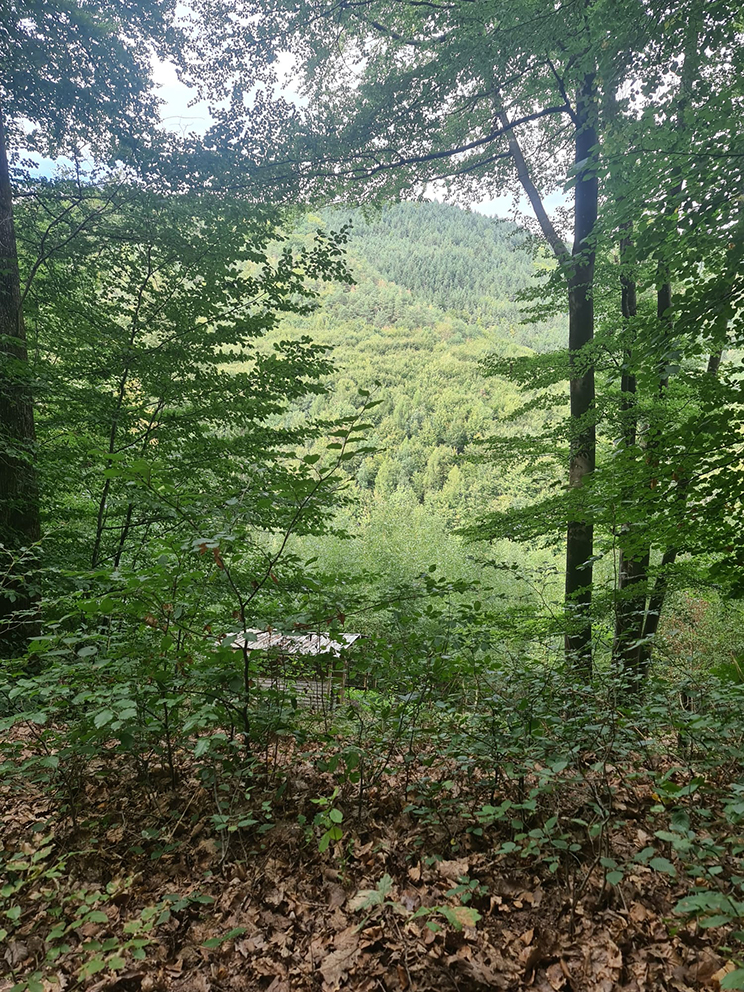
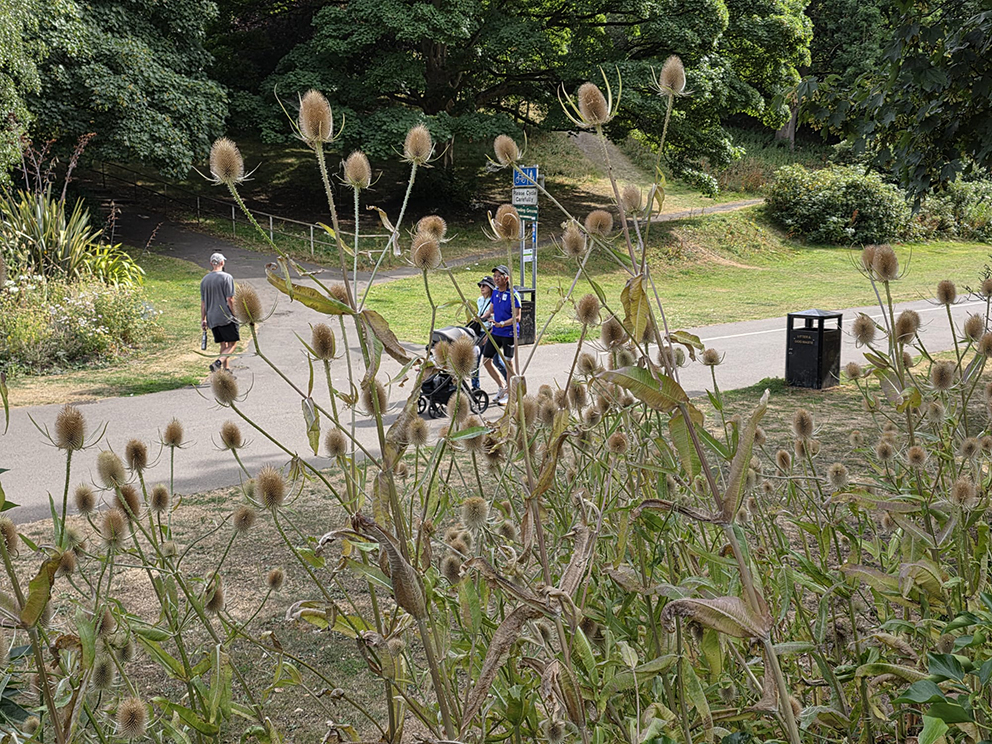
Filey, last weekend…

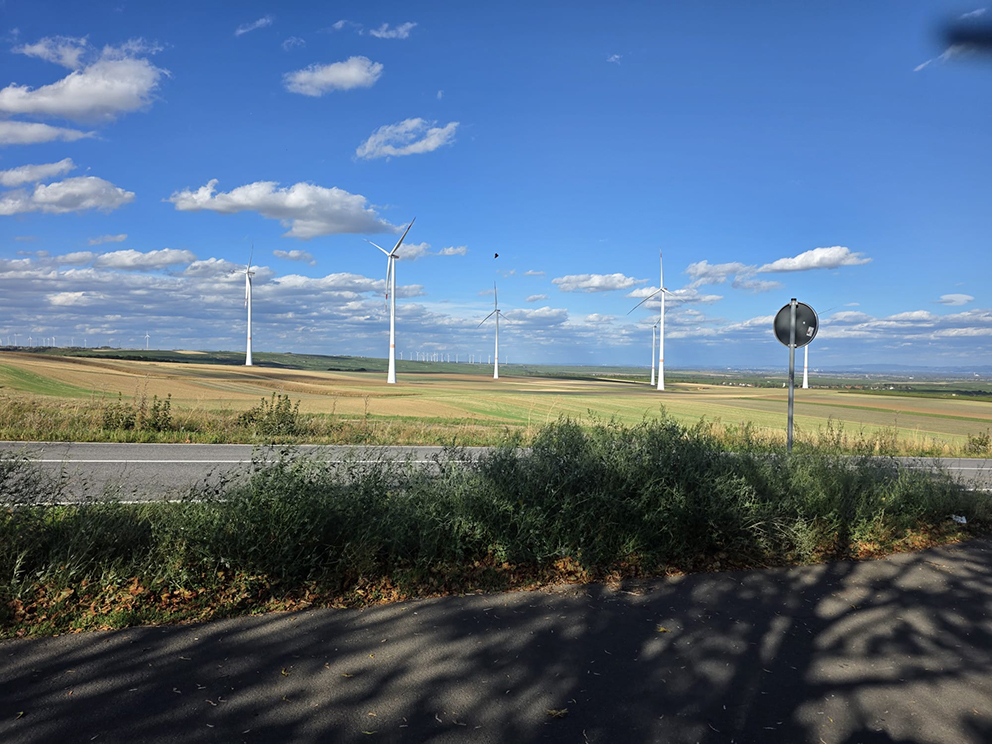
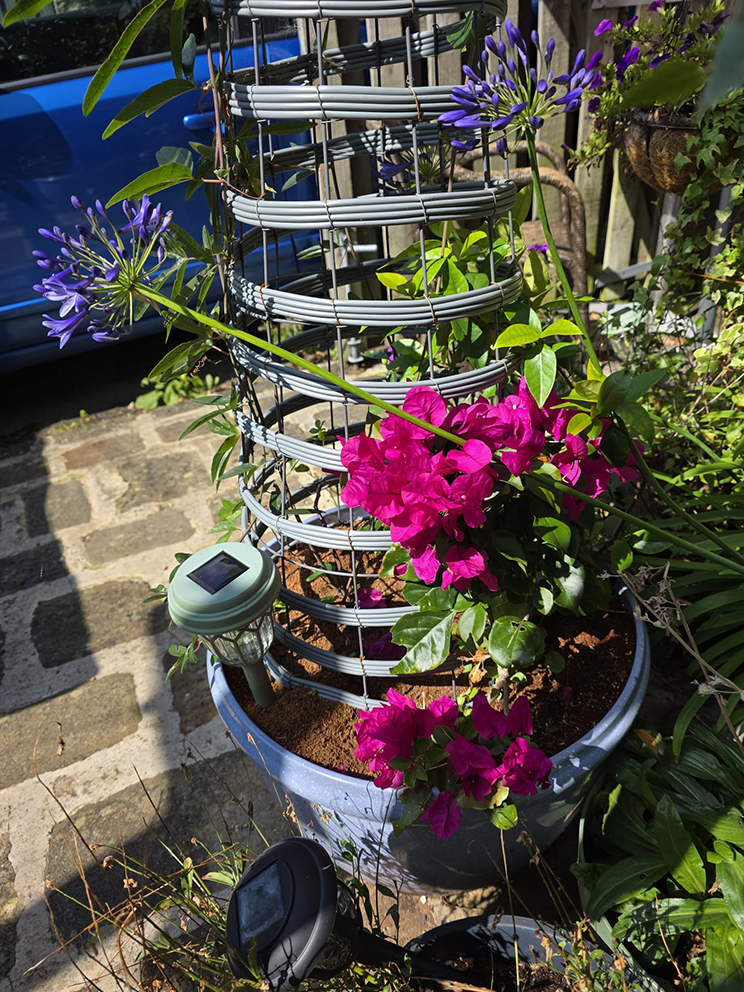
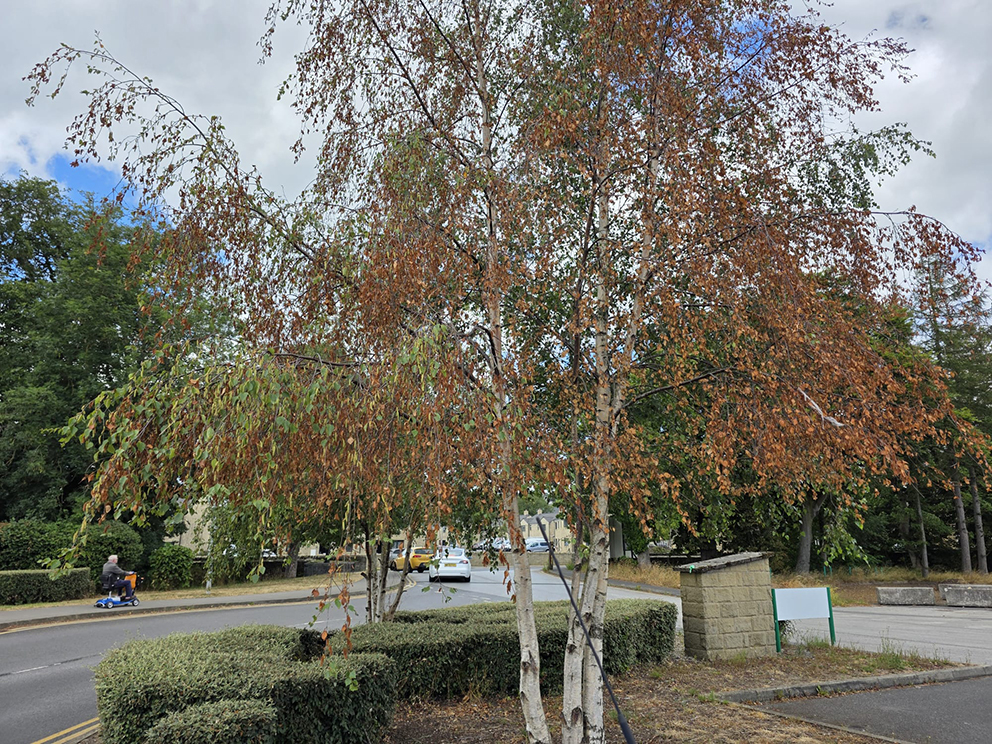
The weather has been sunny all week, saving the rain for the Bank Holiday Weekend – still, it saves me watering the garden – since everything is in containers, that needs keeping an eye on all the time in Summer…

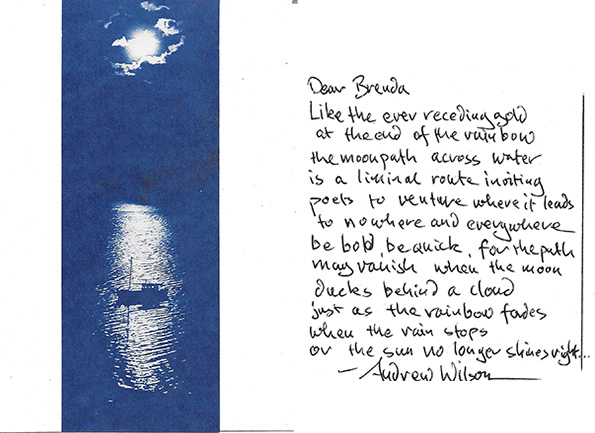
Finishing the A to Z has let me get back to writing poetry and the first offering at dVerse Poets Pub, was a Golden Shovel for which I chose a quotation from Dylan Thomas’ Under Milk Wood. This is my favourite piece of poetry (even if it was a radio play) and if you have never heard the Richard Burton original version you can find it here.

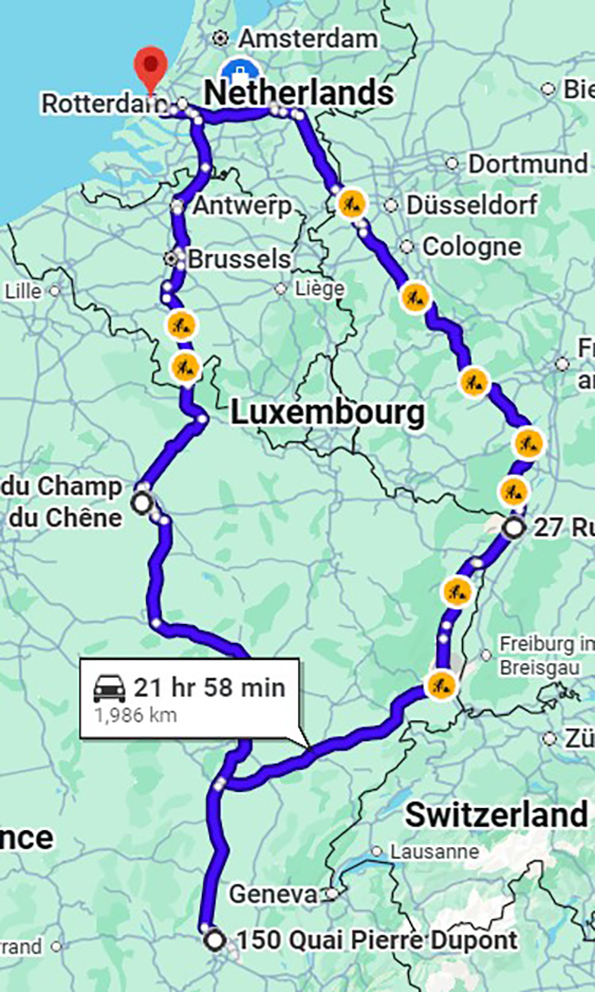
We had some awful news last weekend, Barbara’s niece went outside to find her husband dead having stuck hi head on a stone wall – at under fifty, the only gratitude is that it seems to have been instantaneous. His widow and two almost-grown-up children live in Geneva – a long way from the support of her sisters and parents… Our hearts go out to them…

The big early flowers – daffodils and most of the Tulips are gone over and this week has been about small flowers (and Dandelions)…

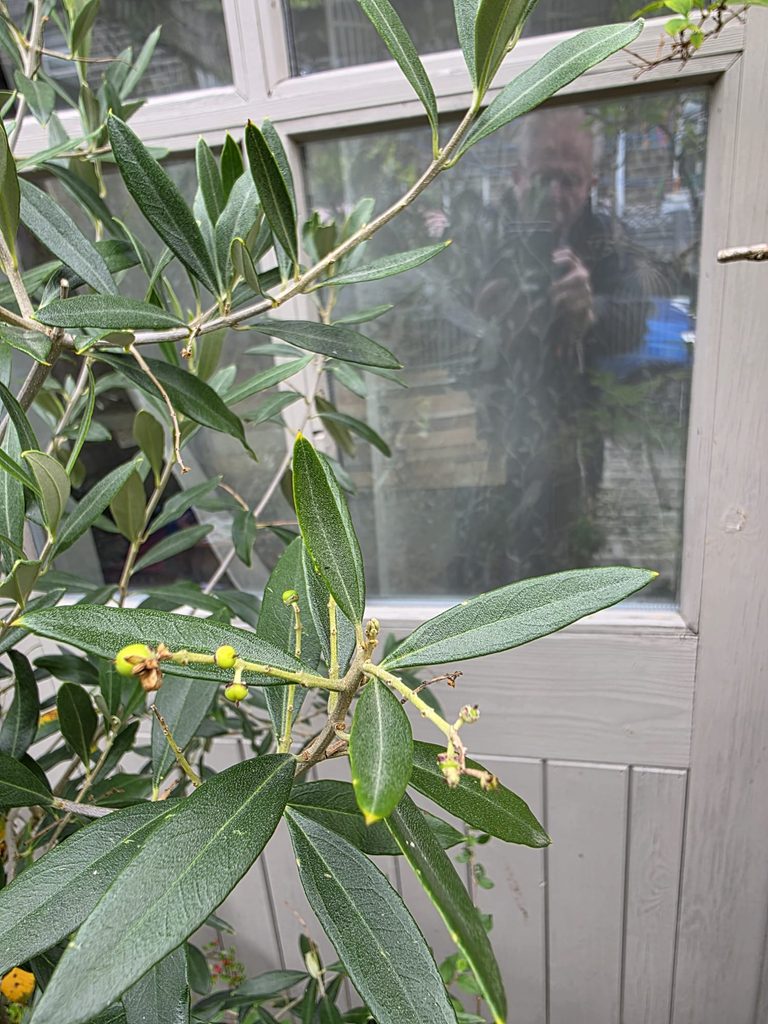
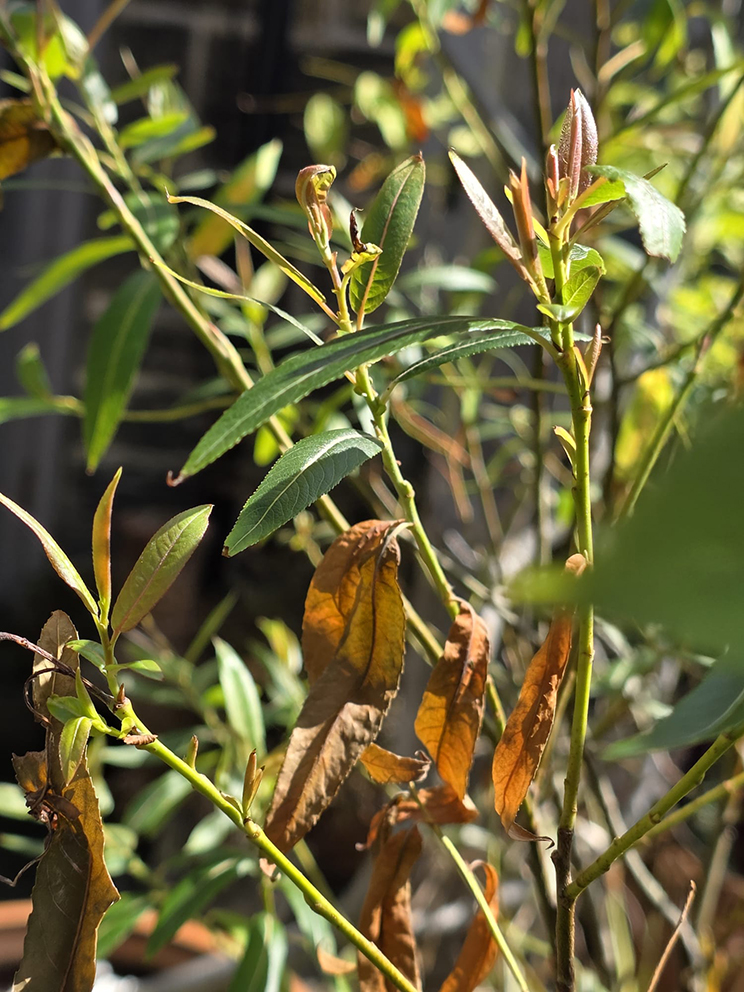
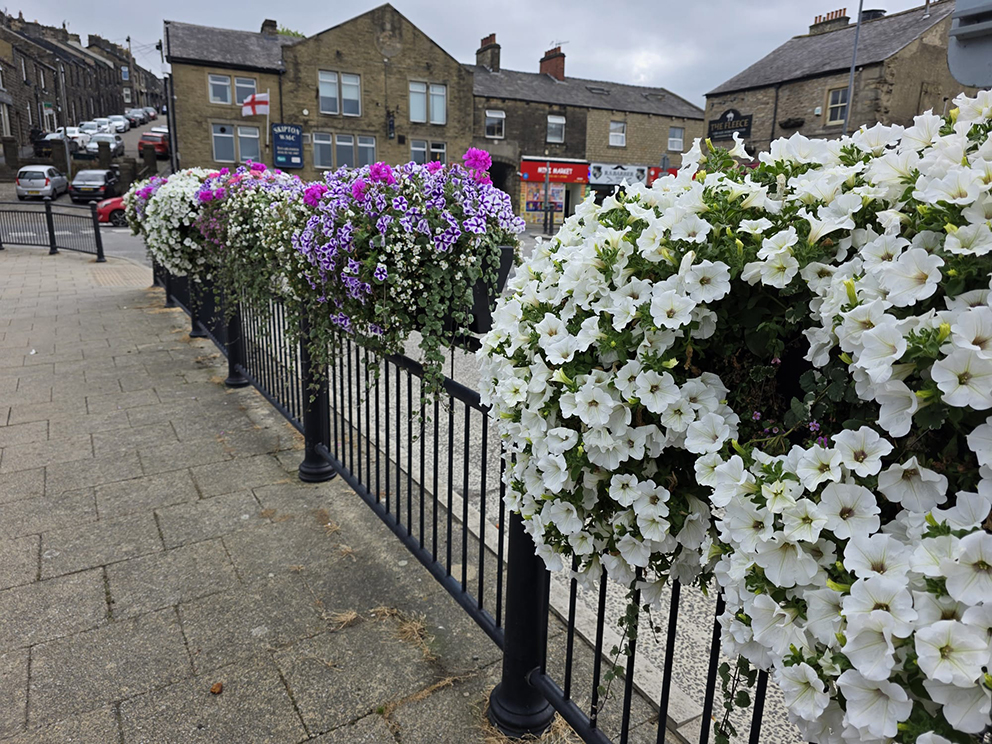
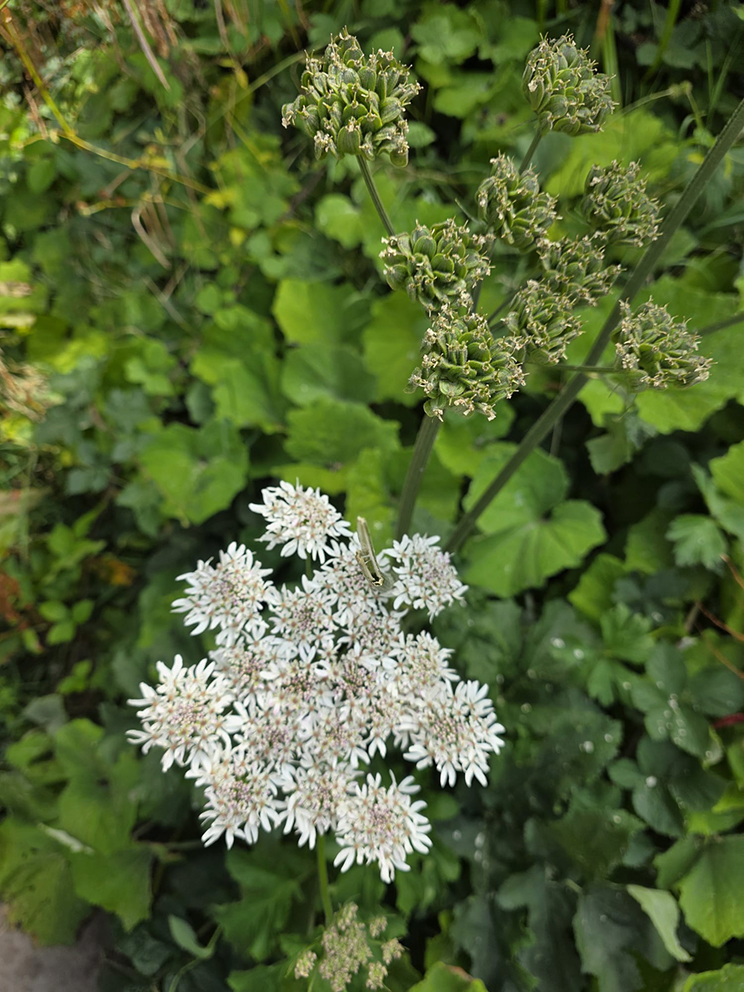
I found this shrub growing in a pot and brought it on – I have no idea what it is but enjoy its small white flower having their moment…
The first Alliums have flowered…
And here is the next one starting to open…
Future Blackberries…
The clematis Montana also coming into flower – they are smaller than this picture makes them look…

I saw an article about “Rebel Botanists”. Inspired by French botanist Sophie Leguil, they label wildflowers at the edge of pavements – I could o with that as I often wonder what the plants are called…

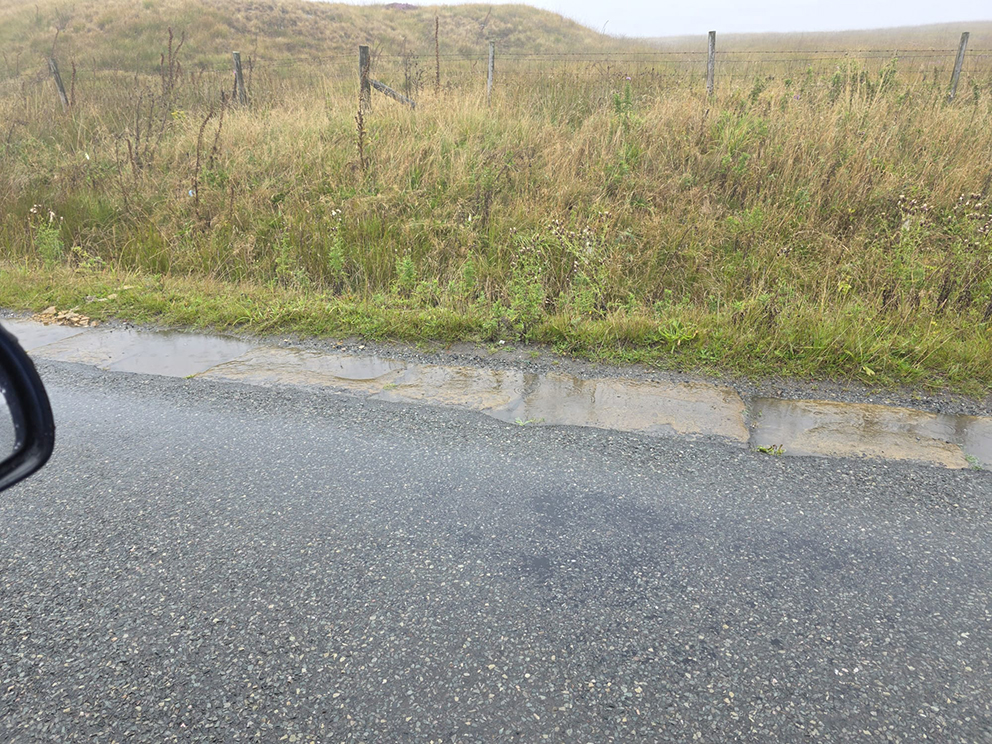
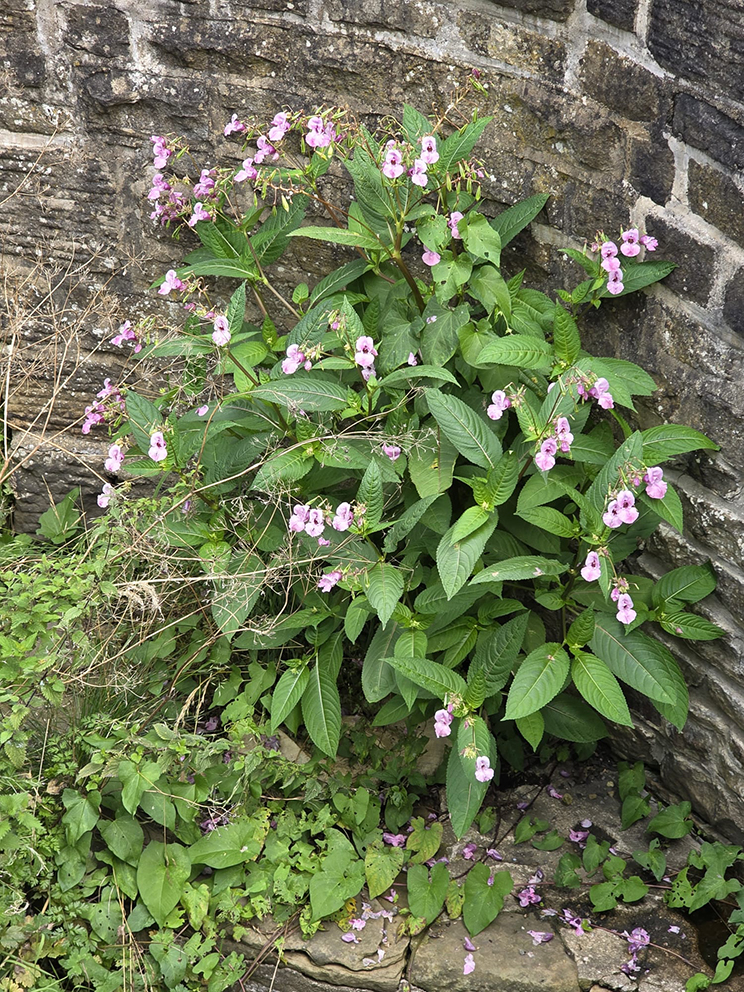
And in the lane, this little wildflower is enchanting…
This one too…

Wishing you all your very best week, wherever you are…

You are invited to the Inlinkz link party!

Click here to enter

Grown in Milk Wood

In retirement hush
the noise of the babies
whom in the long ago years are
soundly sleeping,
grown by the farmers,
brought up on shore by the fishers,
might become the tradesmen,
– themselves the future and
one day pensioners,
could apprentice to a cobbler,
learn to garden children as a schoolteacher,
tread the rounds of streets as a postman,
feed the masses as a restaurateur and
 pull pints as a publican,
evade as long as possible the undertaker
sire their own babies with a wife and
perhaps even tangle with the fancy woman,
lose their way as a drunkard,
stitch dreams as a dressmaker,
espouse piety as a preacher,
guard the peace as a policeman
vainly trying to contain the webfoot
raucously vibrant, cocklewomen
in glorious opposition and
contrast to the tidy wives…

© Andrew Wilson, 2026

After the second paragraph of Dylan Thomas’s Under Milk Wood – A Play for Voices, 1954.

Over at dVerse Poets Pub, Grace in FormForAllPoetry Forms, invites us to write a Golden Shovel in which you:
Choose a line from a poem that resonates with you.
*Build your poem so each line ends with a word from that line.
*Keep the words in order, forming the original line down the right margin.
*Let your poem move in its own direction.  Surprise us!
*Include attribution (after [poet])

Strictly speaking, the Golden Shovel should use just one word from the original poem at the end of each line, but since both the original text and the new poem are lists, it didn’t seem right to separate Thomas’s original adjectives in some instances, or have a surfeit of definite articles…

25th April: Ten Things of Thankful

Ten things for which I give thanks this week…

1 – We are having a run of good weather here in the UK, so yesterday, after collecting Barbara’s new glasses, we headed over to Hebden Bridge for the afternoon. Barbara needed to get on her boot-scooter again to prove to herself that it was not unique to the holiday in Holland…

The central square of Hebden Bridge showing the Bridge Mill – a watermill that dates back to 1314. In the foreground is a sculpture in the form of a giant weaver’s shuttle.

2 – A visit to Hebden Bridge is a chance to appreciate trees – this Copper Beech, its new leaves backlit by the sun, cried out to be photographed…

Another view out of the square showing the slopes to steep for fields, covered with trees and steep streets growing outwards around the town centre.

3 – Good weather means turning off the heating and putting the washing out on the line…

4 – Another of the tulips I bought and planted last Autumn – a double pink…

The first of the Dutch bulbs has flowered – on the small size this first year and I am not sure which one it is, not the fringed but it could be either the Parrot or the “Black”…

5 – And talking of black flowers, the Variegated Pittisporum is in flower with its strange, tiny black flowers…

6 – The end of the A to Z 2026 is in sight and it has been a marathon effort and I am grateful for the support of our very own Cai who has faithfully visited and commented throughout and although I can see the number of visitors who come but don’t comment, it makes a difference to know that a friend has read and appreciated… This is the latest https://how-would-you-know.com/a-to-z-challenge-2026-v-fabrics/ and just four more to go (and to get written by Monday evening).

7 – I had a day and a half of graphic design at work making a Powerpoint presentation for one of the bosses Moldovan Waterpark – we don’t have an inhouse graphic designer at present so it fell to me, which makes a change. The slide had to be in Romanian and repeated in English and Russian and I used AI to do the translation which with a few minor changes were approved by the bosses’ friends in Moldova.

7 – Also on the tech side, I learnt how to post the 278 item list in the form of an Excel table on my WordPress site as I have been promising to do… Still trying to figure out how to create a spreadsheet that will automatically send an email reminder to the relevant member of staff for tasks that need doing at work using “Power Automation”…

That’s all I have this week but I wish you all your best week with fair winds and blue skies (unless you are craving rain, of course)…

You are invited to the Inlinkz link party!

Click here to enter

A to Z Challenge 2026 – “V” Fabrics

“Choose any subject you would like to write about…” that is the object of the A to Z Challenge, and thinking of things that interest me is not a problem for me, but choosing a subject not only to write about, but to write in a way that other people will catch my interest – that is the real challenge! This year I turn to a subject, close to our skin if not our hearts, and yet, again, I wonder if this subject will get some people past the title on the list – dismissed as niche? For this year, my theme is What We Wear – Fabrics and Fibres

So we are getting to som e difficult letters V, X and Y – X I am going to steal to give Wool a whole post to itself, Y there was one fabric Youghal Lace but I lumped that in with Lace under “L” so for V I am just going to elaborate on the V fabrics and eschew a topic…

Velvet, Velveteen and Velour…

I have felt a bit nerdy making the deep dive into Fabrics and Fibres that this A to Z subject has turned out to be, but there are other bloggers who have made textiles the entire and permanent subject of their blogs and for Velvet, I discovered a video that answers everything I was going to write on the subject – Textile with Alberto is a YouTube channel of videos made by Alberto – an Italian textile technician, so, take it away, Alberto…

Honestly, the video left me nothing to say, but let me summarise: once made from silk, by a complex and labour-intensive weaving process, Velvet became more affordable once mechanical looms could do the job and also with the use of cheaper yarns ranging from cotton to synthetics. The essence of the process is that two layers of cloth are woven at the same time – linked by an extra warp (or in the case of Velveteen, weft) and then a knife cuts the linked threads and separates the two layers of velvet. Velvet is soft, shiny and will take all sorts of finishing, printing, polishing or creating areas where the pile is selectively dissolved away (devoré).
Velour is a velvety-looking fabric but is produced by knitting rather than weaving. Right there, we can see how velvet has become an adjective to describe luxuriance – try finding an ad for drinking chocolate that doesn’t use the word velvety…

This shows the way two layers of fabric (the grey threads) are linked by extra threads (the dark blue) which are then cut apart to create the pile on the two separated fabrics – Wikipedia
Eat your heart out Little Lord Fauntleroy! from Tissura’s guide to velvet fabrics.

Devoré – Thanks to my sister for pointing out this fabric. Devore velvet is a textile created using the devoré (burnout) technique, where a chemical paste selectively dissolves cellulose-based fibres in a mixed-fibre velvet, leaving behind a semi-transparent pattern against the remaining protein-based fibres such as silk. This process produces a visually striking contrast of sheer and opaque areas, giving the fabric a textured, elegant appearance. It is often made from blends like silk and viscose, which allow the chemical process to work effectively. (Wikipedia)

A dress from Shein UK showing patterned Devoré fabric – note how the fabric is transparent where the pile has been removed, necessitating an underslip.

Velour – Velour is a knitted fabric, which makes it stretchy (unlike velvet and velveteen, which are woven). Velour is soft, allows freedom of movement, and is used for activewear and loungewear.

Searching for an image to illustrate Velour, how could I resist this one, lol… A velour onezie!

Velours de Kasaï – Not to be confused with Velour in any way – Velours du Kasaï (Kasaï velvet) is a kind of textile fabric made in Kasai, a province in the Democratic Republic of the Congo (Zaïre). Traditionally, the weaving is done by men of the Shoowa from the Kuba ethnic group, while the embroidery is reserved to women. Ideally, the embroiderers should be pregnant. The technique is still practised. is formed of many triangles of bark, alternately black and white. These are cut out of the raw bark either natural, or dyed black and sewn together. 

Velvet Panné – a long and flattened pile velvet, creating a shiny and luxurious look.

Ventile – Ventile, is a registered trademark used to brand a special high-quality woven cotton fabric first developed by scientists at the Shirley Institute in Manchester, England. Originally created to overcome a shortage of flax used for fire hoses and water buckets, its properties were also useful for pilots’ immersion suits, but expensive and leaky if exposed to sweat or oils. Extra-long-staple (ELS) cotton fibres are used to form a low-twist yarn, which is then woven into a tight high-density textile to create a 100% cotton fabric, capable of providing an effective barrier against inclement weather. In wet weather the softly spun yarns – within the tight weave – dynamically expand to form an effective barrier against the elements. (Wikipedia)

Vinyl Coated Polyester – is made up of a polyester scrim, a bonding or adhesive agent, and an exterior PVC coating. The scrim supports the coating (which is initially applied in liquid form) and provides the tensile strength, elongation, tear strength, and dimensional stability of the resulting fabric. Depending on its formula, the PVC coating makes the material waterproof and resistant to dirt, mildew, oil, salt, chemicals and UV rays and gives the material added strength and durability. It can be sewn or heat sealed by way of RF(Radio Frequency) welding or hot-air welding. (Wikipedia)

Voile – a soft, sheer fabric, usually made of 99% cotton or cotton blended with linen or polyester. Named for its light weight, the fabric is mostly used in soft furnishing. In tropical climates, voile is used for window treatments and mosquito nets. When used as curtain material, voile is similar to net curtains.

I compiled a list of as many fabrics, fibres and related items as possible (278 items which I will make available at the end of the A to Z), from several sources, the most comprehensive of which was Wikipedia. Since there are only 26 letters in the alphabet, I could not write in detail about every instance so I have taken snippets of text for the brief descriptions and linked to the source in the name of the item. I am indebted to all the contributors to those Wikipedia pages and the depth of knowledge to be found there…

A to Z Challenge 2026 – Recycling and “R” Fabrics…

“Choose any subject you would like to write about…” that is the object of the A to Z Challenge, and thinking of things that interest me is not a problem for me, but choosing a subject not only to write about, but to write in a way that other people will catch my interest – that is the real challenge! This year I turn to a subject, close to our skin if not our hearts, and yet, again, I wonder if this subject will get some people past the title on the list – dismissed as niche? For this year, my theme is What We Wear – Fabrics and Fibres

We are all used to the concept of recycling items such as paper and cardboard, glass bottles, plastic packaging and more recently, supermarkets here in the UK have started accepting “soft plastics” carrier bags, polythene and acetate, but there is one area of waste which is really underutilised and that is textiles. I say underutilised because the point of recycling anything, is that you have substances that are already concentrated, refined and purified compared to the original source of those goods. Those materials may have originally come from another part of the world with all the trade and transport costs involved, and yet in recycling, that refined product can be turned back into a raw material right there in your own country.

The excellent video below tells the whole story, but let me summarise some of the main points first. In Europe alone, approximately 6 million tons of textile waste is produced and yet only 1% of that is recycled. Some comes from hospitals and hotels, things like sheets and curtains but 85% comes from consumers like you and me. Some more of the waste will be turned into insulation or rag but the small amount of recycling and the colossal amount that goes to landfill is a shocking waste of resources. Women’s clothes are often made with a short lifespan expectation driven by the needs of the fashion industry to persuade us to constantly buy and dress in the next new look and so many items of clothing are discarded after only a few wears – others like the T-shirt in the video, are worn many times and I have to say that I have some t-shirts handed down from my late father which I still wear regularly, not just for sentimental reasons, but because they were quality makes in the first place – I wrote about them in last year’s A to Z.

These two t-shirts belonged to my Dad and were bought on one of several trips to Australia made by my parents after all of us children had left home, and that makes them at least 35 years old – I wear them each, once a week or so in Winter…

The video below shows how the recycling process works, and key to it is the automatic sorting machines that can detect what sort of fabric an item is and literally blows them into the right bin. Next, any hard items like buttons or zips must be removed before the next stage. We will get to Synthetics and Semi-Synthetic fabrics in the next post, but suffice it to say that natural fabrics such as cotton and synthetics like acrylic, will go down separate recycling paths – cotton can be shredded and broken down into constituent fibres and incorporated into new yarns and made into new fabrics – pure cotton or blended with other fibres. Synthetics may be broken down by physical and chemical means before being respun into new fibres.

There are two things the video does not say, but I met a man in my nearby town who now runs a wool shop, or should I say a yarn shop, since not all the yarns are wool, but he used to make a living from recycling and he made these two points. On being made redundant in the ’80’s, he realised that he had seen a lot of waste material coming out of the textile mills in this area – cardboard, polythene but also, once he started his business – textile waste – offcuts, ends of rolls, damaged sections. He discovered there were companies who could recycle this waste and he made a good living doing it. Firstly, he pointed out, that by incorporating a proportion of recycled fibre into new yarns, manufacturers saved money on buying the raw material from abroad and they could either use the same material – cotton say – or they could use other fibres to create blends – remember blends from my “B” post? Blends that are not just about saving money by incorporating the recycled material, but improving the qualities of the material – making it stronger, more elastic, wear better – all depending on what the blend is – poly-cotton is a prime example. But ironically, and this is the second point the video doesn’t mention, it is more difficult to recycle blended fabrics rather than mono fabrics. There are new chemical processes that are coming into play but there is such a weight of waste material available to recycle that it is not essential to do do this yet.

The key point made at the end of the video, is that it is the sorting machines that are key to the process of recycling textiles and upscaling the recyling is what is needed to stop the colossal waste of material and money that goes to landfill at present. One illustration of the waste that needs addressing, especially now so many clothes are bought online, is that manufacturers, especially from different countries – and so much clothing is imported from elsewhere – are inconsistent with their sizing and so customers will buy two or three items at different sizes to ensure they get a fit, knowing they can pay a small price to return the unwanted items. Now the margins on comparatively cheap clothing are so small, that it may not pay the supplier to refold, rebag and resell the returned items and so they mostly go to landfill. Legislation and international standardisation are needed to reduce this criminal and unnecessary waste…
So good peeps, if you turn out clothes, send them to a charity/thrift shop – because if they cannot sell them, then they should be connected to a textile recycling centre – something you may have difficulty doing on your own – though if you are lucky, there may be a collection point near you – consult the internet…

Here are acouple more links if you want to know more about textile recycling…
https://londonrecycles.co.uk/recycling-101/what-happens-to-your-recycling/how-textiles-are-recycled/
https://www.shredstation.co.uk/blog/textile-recycling-in-the-uk/#:~:text=Textile%20recycling%20processes%20typically%20involve:%20%20Sorting,%20Linen%20%20Hemp%20%20Cellulose%20fibers

“R” Fabrics

Radzimir – a heavy, structured silk, sometimes found with a twill weave. It has a matte but lustrous finish and is similar in handle to a silk duchess or taffeta.

Raffia – fibre is made from the palm, it is a natural string that is woven into baskets, shoes and clothing

Rakematiz – this should have gone in the “historic” post but heigh ho – a thick silk fabric embroidered with strands of gold. It was extremely rare and valuable in earlier eras. Apparel that incorporated rakematiz was popular in Europe in the Middle Ages.

Raw Silk – Term used to describe silk that has a less-refined, raw look to it. Also called Dupion, Thai Silk or Matka.

Rayadillo – a blue-and-white striped cotton or flannel material that was used to make the military uniforms worn by Spanish colonial soldiers from the later 19th century until the early 20th century. In more recent times, rayadillo patterns have made a reappearance in the world of clothing and tailoring in general, and have been popularised in everyday garments, specially in trousers, also known as mil rayas.

Rep – a cloth woven in fine cords or ribs across the width of a piece, usually made of silk, wool, or cotton. The name is said to have been adapted from the French reps, a word of unknown origin; it has also been suggested that it is a corruption of rib. In silk it is used for dresses, neckties, and to some extent, for ecclesiastical vestments. In wool and cotton it is used for various upholstery purposes.

The weaving process behind repp fabric is what gives it its unique look and feel:

  • Warp-Rib Structure – The fabric is woven on a plain weave base, but with dominant warp threads that form the ribs.
  • Yarn Selection – Thicker and finer warp yarns are alternated, creating visible ridges across the fabric’s width.
  • Weft Role – The weft threads are finer and less visible, allowing the ribs to stand out clearly.

The result is a fabric with distinctive horizontal ribs, ranging from subtle to pronounced, depending on the yarns and finishing used.

Rinzu – another historic fabric –  a Japanese silk satin damask. It was the preferred fabric for kimono in the Edo period.

Russel Cord – a finely corded fabric, generally constructed with a cotton warp and worsted weft (filling). Two or more warp threads are woven together to form the cord, thus the cord lines run warp-wise.Russell cord is visually similar to a very narrow-waled corduroy called pincord, but it is heavier and more sturdy. It is usually woven using 40% cotton and 60% wool (or similar compositions depending on the weaver). It is mainly used in the making of high quality black academical dress, as well as clerical dress and legal dress in the United Kingdom. It is woven using thicker strands so is heavier than princetta.

I compiled a list of as many fabrics, fibres and related items as possible (278 items), from several sources, the most comprehensive of which was Wikipedia. Since there are only 26 letters in the alphabet, I could not write in detail about every instance so I have taken snippets of text for the brief descriptions and linked to the source in the name of the item. I am indebted to all the contributors to those Wikipedia pages and the depth of knowledge to be found there…

A to Z Challenge 2026 – Lacemaking, Looms and “L” Fabrics…

“Choose any subject you would like to write about…” that is the object of the A to Z Challenge, and thinking of things that interest me is not a problem for me, but choosing a subject not only to write about, but to write in a way that other people will catch my interest – that is the real challenge! This year I turn to a subject, close to our skin if not our hearts, and yet, again, I wonder if this subject will get some people past the title on the list – dismissed as niche? For this year, my theme is What We Wear – Fabrics and Fibres

Compiling my research list of fabrics (which I will make available at the end of this A to Z) I encountered no less than 12 different types of lace and there are almost certainly more – it seems that every different location for lacemaking has evolved its own style…

Traditional lace making primarily uses natural fibers such as linen, silk, and cotton. Linen was a favored choice for its strength and fine texture in early lace, while silk provided smoothness and luster. Cotton became more prevalent in the nineteenth century and remains popular today due to its softness and breathability. In addition to these, precious metals like gold and silver were used for very valuable or decorative laces, and occasionally, wool was used for novelty laces

Lace is a delicate fabric made of yarn or thread in an open weblike pattern,  made by machine or by hand. Generally, handmade lace is split into two main categories, needle lace and bobbin lace,  although there are other types of lace, such as knitted or crocheted lace. Other laces such as these are considered as a category of their specific craft.

It might be said that lacemaking is all about the holes – in this respect, it achieves something which woven fabrics cannot easily do. Lacemaking is labour intensive – skilled labour at that and so lace is expensive! Lace is, with all its holes, transparent and so not something you would make clothes out of without an inner lining (unless you are very outré) but a little lace trimming on a negligée, brassiere, or edging a decolletage, can go a long way to suggesting more transparency than is actually there…. A bridal dress (suitably lined with an underskirt) has much the same purpose and as for priestly collars and ruffs – well, they are all about the finery and no expense spared!

Lace – not just for doillies!

Bobbin Lacemaking

In case you have ever wondered by what arcane process lace is made, this video gives a little taste…

Here is a site that illustrates a few types of lace…

The illustration to the right shows two lace bands of a type that was used as a decoration for traditional Dutch caps in the early 20th century.

And a more modern, crafty approach…
Chemical Lace fabric – By embroidering copiously over a soluble fabric which is dissolved away on completion, a fabric can be created even to the point of dress fabric!. I saw this done once with loads of random white free-style embroidery as a base and then green ivy leaves over the top – one needs to be sure that there are no weak points or else a fashion accident might ensue…

Lace, Alencon – Lace originating in France, it is characterised by its delicate tulle and motifs with a raised cord running around the motifs

Lace, Argentan – Argentan lace or Point d’Argentan is an 18th century needle lace from Argentan, Normandy, France. Argentella is derived from Argentan. Argentan lace exhibits a more prominent and larger pattern in contrast to its nearest variant, Alençon lace

Lace, Battenberg – a type of tape lace. It is of American origin, The original Battenberg lace used just one stitich: buttonhole picot. Other stitches that were later used include flat wheel (also known as spider or rosette) and rings or “buttons”

Lace, Burano (Venetian) – Burano Lace is traditionally made from fine cotton thread, which is resistant, flexible, and helps maintain the lace’s structure. Historically, however, it was also made with threads of linen, silk, and even gold or silver. The type of fiber used influences the lace’s final appearance and feel. The fine, white cotton used for Burano lace creates a light, ornate, and precious fabric that can be incredibly durable, lasting for many years with proper care.

Lace, Buratto – An Italian needle lace made by darning on a net. It is quite similar in appearance to filet lace but with one important distinction—it is darned onto a woven net, rather than the knotted net used for filet. Buratto tends to also be heavier in appearance due to the woven nature of the netting used.

Italy, 16th century – Chalice Veil with Monogram of Christ – 1920.1156 – Cleveland Museum of Art

Lace, Carrickmacross – a combination of cotton organdie and machine-made net, traditionally laid on top of a paper pattern. The organdie, a sheer but firm fabric, is appliquéd onto the net. Once the design is outlined with a couched thread, the excess organdie is cut away, revealing the delicate net underneath, which is then decorated with various needle-run and picot stitches.  

Lace, Chantilly – If Chsantilly Lace is ringing a musical bell in the back of your mind – think  The Big Bopper – later covered by Jerry Lee Lewis. If you ever wondered what made Chantilly Lace special – Wikipedia has it covered, of course… Named after the region of France in which it was established. Known for its delicate and dainty look, it is very popular today in bridal wear and lingerie (no wonder The Big Bopper sang about it!)

Shawl in Chantilly lace – MoMu-collection, Antwerp (Detail)

Lace, Guipure – often heavy and is characterised by not having tulle between the motifs.

Lace, Leavers – is characterised by its bold patterns, it is heavier than a Chantilly and usually lighter than a guipure. It still features tulle between the motifs like Chantilly lace.

Limeric Lace – a hybrid lace of embroidered needle lace or crocheted lace on a machine made net base. It is a ‘mixed lace’ rather than a ‘true lace’, which would be entirely hand made. Limerick lace comes in two forms: tambour lace, which is made by stretching a net over a frame like a tambourine and drawing threads through it with a hook, and needlerun lace, which is made by using a needle to embroider on a net background.

Tambour Lace – Tambour lace refers to a family of lace made by stretching a fine net over a frame[1] (the eponymous Tambour, from the French for drum) and creating a chain stitch, known as tambour, using a fine, pointed hook[2][3] to reach through the net and draw the working thread through. The tambour embroidery technique became popular in western fashion during the 18th century, particularly fashionable in the early 19th century when applied to net fabrics, creating a look similar to lace.

Tennerife Lace – Tenerife lace or “roseta canaria” is a needle lace style often found on the Canary Islands and sharing the name of the island of Tenerife.[1] Despite its name the origin of this lace is uncertain, and in Tenerife it may be referred to as Brazilian lace.

Types of Looms

We looked at the process of weaving on a loom in “A” Everything You Need to Know About Weaving (though that title may have been a bit of a stretch) but we didn’t cover the many types of looms. The picture below is from an excellent blog post that illustrates the main types of loom.

The backstrap loom is a simple loom developed by ancient civilizations and still used in many countries today. The warp is tied around a stationary object on one end and to the weaver at the other. The weight of the weaver keeps the warp taut. A skilled weaver can produce beautiful and complex patterns using a backstrap loom.

Looms can range from the tiny…

To the large – a Mechanical Dobby Loom…

I will not double up on these excellent guides and this is proving to be a long post, so onwards to…

“L” Fabrics

Lame (Lurex) – Can be any type of fabric that is woven with ribbons/yarns of metallic wrapped around or between yarns – the stuff of theatre dreams…/

Lanon – At the core of Lanon woven fabric’s appeal is its outstanding durability and tensile strength. Constructed using tightly interwoven fibers—whether natural, synthetic, or regenerated—this fabric resists abrasion, tearing, and stretching under stress.

Latex – made from the rubber tree, this fabric is very resilient and stretchy…

Lawn – a fine plain weave textile, made with fine combed cotton. Terms also used include batiste and nainsook. Originally the name applied to plain weave linen, and linen lawn is also called “handkerchief linen”. The term lawn is also used in the textile industry to refer to a type of starched crisp finish given to a cloth product. The finish can be applied to a variety of fine fabrics, prints or plain.

Linen – Linen is one of the big, natural, fibre/fabrics alnogside cotton and wool and its history goes way back into pre-history. Linen is very strong and absorbent, and it dries faster than cotton. Because of these properties, linen is comfortable to wear in hot weather and is valued for use in garments. Linen textiles can be made from flax plant fiber, yarn, as well as woven and knitted. Linen also has other distinctive characteristics, such as its tendency to wrinkle. It takes significantly longer to harvest than a material like cotton, although both are natural fibers. It is also more difficult to weave than cotton.

We all love the look of a crisp linen suit – at least before it is creased by a day’s wear, and what better example than Sean Connery in Diamonds are Forever…

https://bamfstyle.com/2015/05/07/bond-daf-creamsuit-pinktie/

Linen fibres come from the Flax plant with its fields of sky blue, and it is labour intensive to harvest, treat to extract the fibres in the longest, highest quality. It involves Retting, scutching, and heckling and you can find a good account of it here.

I met a man in Ireland, whose father had made his first fortune, by taking Irish Linen tablecloths and napkins, sailing to China, hiring a gunboat )to protect against pirates) and sailing up the Yangtse River to a village which specialised in hand-embroidering the monograms on the linen pieces. After the 2nd World War, when the linen trade in Ireland collapsed due to foreign competition, he made a second fortune selling Swiss Watches…

Lisle – a type of finish that was applied to obtain smooth and even yarns, largely employed for goods intended for underwear and hosiery. Yarns made with long-staple fibers such as Egyptian cotton were passed repeatedly and swiftly through gas flames. The action removed the fuzzy and protruding fibers. The finish adds smoothness, gloss, and evenness to the yarn. Another method of “lisle” was on finishing fabrics, in which hosiery fabric was treated with a dilute acid solution such as hydrochloric acid or sulfuric acid, the fabric was then tumble dried without washing at a temperature of a hundred degrees Fahrenheit. The acid and tumble exposure remove the loose ends and fuzziness from the fabric, which is subsequently neutralised with an alkaline solution to prevent further acid damage.
Lisle is a historic name, but “mercesiation” is still used today to obtain smooth fabrics…

Lisle stockings from the V & A Collections

I compiled a list of as fabrics, fibres and related items as possible (278 items), from several sources, the most comprehensive of which was Wikipedia. Since there are only 26 letters in the alphabet, I could not write in detail about every instance so I have taken snippets of text for the brief descriptions and linked to the source in the name of the item. I am indebted to all the contributors to those Wikipedia pages and the depth of knowledge to be found there…

A to Z Challenge 2026 – Knitting and Crochet and “K” Fabric

“Choose any subject you would like to write about…” that is the object of the A to Z Challenge, and thinking of things that interest me is not a problem for me, but choosing a subject not only to write about, but to write in a way that other people will catch my interest – that is the real challenge! This year I turn to a subject, close to our skin if not our hearts, and yet, again, I wonder if this subject will get some people past the title on the list – dismissed as niche? For this year, my theme is What We Wear – Fabrics and Fibres

I have a book from the 1950’s which is simply entitled “Stitchcraft” and it contains instructions for how to knit and crochet. Go into a large newsagents with a full selection of magazines today, and you will find magazines not just on Crochet, but Beaded Crochet, such is the sub-division of crafts in order to generate as much revenue from the world of crafters. In my book, you can find a pattern for making a knitted sweater but which has a panel of crochet worked into it – Sacré Bleu! Such mixing of crafts! Quelle horreur! Joking aside, There should be no hard and fast walls between all the various forms of stitchcraft! There! That is my rant, now back to Knitting and Crochet!

Knitting

Actually, before there was knitting, on two needles (Egypt, 11,000BC), there was nålbinding – literally  ‘binding with a needle’ and involves using short lengths of yarn which are joined together as they come to an end and in which the whole length of the yarn is passed though each loop – the end result looks very much like knitting, andthis technique occurs in many parts of the world – in the desert of Judea, in a Mesolithic fishing village in Denmark, Egypt and in the Paracas and Nazca cultures in Peru. The technique was often used in the round, to produce socks and slipper-like wear and it survived in parts of Europe into the 50’s. With the advent of the internet, a renewed interest in nålbinding has ocurred! The thumb is often used as a way of setting up the stitches and the diagrams below show some of the different stitches used and the video shows you how to have a go yourself…

Nålebinding – Wikipedia

The earliest known true knitting is found in Egyptian socks from the 11th century CE. Interesting that the new form was used to develop the same product as the older nålbinding – socks! The earliest European pieces date to the 13th century and the early materials included cotton and silk, rather than wool and was not merely functional but often displayed high craftsmanship and served the elite and the Church. Silk would have been an expensive commodity having traversed the length of the Silk Road – all the way from China.

Knitting is the process of using two or more needles to pull and loop yarn into a series of interconnected loops in order to create a finished garment or fabric. The word is derived from knot, thought to originate from the Dutch verb knutten, similar to the Old English cnyttan, “to knot”
Wikipedia – History of Knitting

Some of the earliest European examples of knotting were by Muslim knitters employed by Christian families in Spain showing how the technique had spread from Egypt and through the Middle East and, although archaeological finds sometimes turn up fragments of knitting, being made of natural fibres, they are prone to being eaten by insects and so are hard to find preserved. And it’s not just the fabric but even the stitches could become lost – the two most common stitches today are knit and purl, and the purl stitch, though seen in the earliest Egyptian knitting, seems to have lost in its travels through Europe – appearing again only in the 16th century.

What makes knitted fabric so useful, is that it has a natural elasticity allowing a range of fit to size for the wearer. As a technique, it requires no more equipment than two needles and so is ultra-portable and indeed you will see people knitting on trains and buses indeed, anywhere, especially today, when knitting is no longer a functional source of clothing but rather a hobby craft.

The Olympic swimmer, Tom Daley, may have given men’s knitting a boost recently, but this photograph from the book “People Knitting: A Century of Photographs” by Barbara Levine shows that it has long been practiced by men as well as women!

I am not going to try to cover the breadth of the world that is knitting, but here are some of the places it is going in the 21st Century…

30 Knitting Patterns You Can Start Working on Right Away
By Sara Barnes on October 5, 2023

And of course, that staple of knitting – baby clothes – these booties don’t look to onerous tmewise – maybe even a person like me, who struggles to finish projects could manage these lol…

Of course, the other way to complete a project quickly is to go “extreme knitting ” – very chunky yarns on enormous needles!

Crochet

Hands up if your idea of Crochet is the “Granny Square”! I put mine up as my granny was certainly a crochet square afficianado! These little squares could eat up all those odd leftovers yarns from other projects, but tackled as serious projects – they could produce stunning blankets…

CROCHET PATTERN & VIDEO | Hygge Burst Blanket Pattern, Crochet Sunburst Granny Square, Vintage Inspired, Modern Crochet, Tweed Yarn
NautiKrall

Or go wild and free with a more contemporary look…

If you want to jump in to Extreme (Giant) Crochet – here is an introduction!

I have a confession to make – I don’t know how to do standard crochet – BUT – I do do Tunisian Crochet, and this is how it happened… My sister Carol and I were sorting out my late mothers many knitting needles (she used to run knitting mornings at her retirement complex) and Carol spotted a pair of tortoiseshell needles she really fancied. At the same time, i picked up a large, knitting needle length piece with, seemingly, a crochet hook at one end. Noe crochet needles are usually short, because they hold only a few loops of wool at a time, so neither of us knew what this long needle was! Oh well, said Carol, you have that one and I will have these – and she added the tortoiseshells to her pile – sisters! You have to love them! Anyway, I eventually looked into what this strange beast might be and discovered Tunisian Crochet.
Tunisian Crochet is sometimes described as a cross between knitting and crochet in as much as it generates a width of fabric as wide as the needle used is long, and as deep as the number of rows you care you care to knit. Like knitting, there are a variety of stitches possible.

Fabric is worked in two passes instead of one

Multiple loops stay on the hook at the same time

The surface has strong vertical and horizontal structure

Finished pieces maintain shape exceptionally well

During lockdown, like many others, I explored craft and generated samplers of many kinds of Tunisian Crochet stitches…
and again…
Tunisian Crochet Sweater PATTERN: Raglan Yoke, Ribbing by Hookloopsarah

Ideal for blankets – you will need a needle with a long flexible extension to crochet this width…

“K” Fabrics

Double Knit – Thick jersey fabric made with twin needles where the stitches are interlocked together.

Knit Stitch – Stockinette – the most basic knitted fabric; every stitch (as seen from the right side) is a knit stitch.[1] This fabric has also been referred to as Knit or Knitted, Front, Smooth, Jersey, Plain, Vertical and Plain Sweater Fabric. In the round, stocking stitch is produced by knitting every stitch; by contrast, in the flat, stocking stitch is produced by knitting and purling alternate rows. Variations on this fabric can be made by twisting stitches (knitting or purling through the back of each loop on the needle instead of the front) on one or both sides; Barbara Walker calls these “crossed” (only knitted stitches twisted) and “twisted” (knits and purl twisted) Stockinette. Stocking-stitch fabric is very smooth and each column (“wale”) resembles a stacked set of “V”‘s. It has a strong tendency to curl horizontally and vertically because of the asymmetry of its faces.

Trichot – Machine Knitting A macine form of knitting in which the yarn zigzags vertically, following a single column (“wale”) of knitting, rather than a single row (“course”), as is customary. Tricot and its relatives are very resistant to runs, and are commonly used in lingerie.

If you are a lady of a certain age, you may have been subjected to wearing knitted swimsuits – an experience, I am told, producing lasting trauma since the swimsuits, when wet, and due to the elastic nature of ordinary knitting, would sag unbelievably with the danger of a fashion accident… The swimsuit above is machine knit in Trichot which means that the vertically interlocking stitches do not sag when wet! From What is Tricot Fabric?

Khadi – A hand-spun and hand-woven natural fiber cloth, primarily from India. Khadi is typically made of cotton, but can also include silk or wool, which are all spun into yarn on a spinning wheel known as a charkha. It is a versatile fabric that is cool in Summer and warm in Winter.

A Khadi fabricSari from Utsavpedia

I compiled a list of as fabrics, fibres and related items as possible (278 items), from several sources, the most comprehensive of which was Wikipedia. Since there are only 26 letters in the alphabet, I could not write in detail about every instance so I have taken snippets of text for the brief descriptions and linked to the source in the name of the item. I am indebted to all the contributors to those Wikipedia pages and the depth of knowledge to be found there…

A to Z Challenge 2026 – “J” is for Jersey, Jute and Jamdami…

“Choose any subject you would like to write about…” that is the object of the A to Z Challenge, and thinking of things that interest me is not a problem for me, but choosing a subject not only to write about, but to write in a way that other people will catch my interest – that is the real challenge! This year I turn to a subject, close to our skin if not our hearts, and yet, again, I wonder if this subject will get some people past the title on the list – dismissed as niche? For this year, my theme is What We Wear – Fabrics and Fibres

Jamdami

I am going to start with Jamdami, because, in many ways, it proceeds the techniques of Jacquard looms and machine Jersey Jacquard decorative fabric techniques which this post will cover. Jamdami is referred to as extra-weft ornamentation, on-loom embroidery, or discontinuous weft1. Okay, let’s break down the jargon – on a loom which is set up for Muslin (a very fine fabric) portions of the weft are lifted up and threaded with a needle or very small shuttle to produce a design motif.

Left: Close-up of jamdani weaving on muslin on the loom, showing the needle and the motifs akin to embroidery. Right: Jamdani weave on the pallav (decorative end) of a saree.1

This is a painstaking process and Jamdami was not cheap. Dhaka in Bangladesh was a centre of excellence and Daccia mul was so exquisite that when the city was under British rule, orders were given to cut off the thumbs of weavers to prevent competition with milled British fabrics.1

A rare jamdani piece with borders and pallav woven in a multitude of shades on fine cotton muslin.1

Amir Khusro, the famous thirteenth-century Sufi poet, described fine handspun, handwoven cotton so fine that 100 yards could pass through a needle, with a transparency more like water than cloth. He described a fabric so beautiful that it was likened to air, moonlight, clouds, and water: magnificent muslin. In reality, the fabric was so fine that several layers could pass through a signet ring, and it was so light that if washed and tossed in the air, it would dry before landing. Poetry, romance, royalty, legendary tales, trade worth a king’s ransom, secrecy, cutthroat competition—these are all part of the history of muslin and especially the decorative muslin known as jamdani.1

Jacquard

There are a number of ways to introduce different coloured patches of colour into a fabric, we already encountered Intarsia under “I” – knitting, which changes yarn at the boundaries of a different colour and we also saw Jacquard under the decoration of Fabrics but when you have many repeated motifs in knitting, such as Fair Isle, then its easier to carry the yarn across the back (floats), which, however, carries the risk of snagging .

In this beautiful sweater brought for me from the Andes – in the top half you can see the repeated patterns including Llamas, whilst belowthe white line, i have folded it back to show a mirror immage of the reverse of the pattern showing the “floats” resultant from this form of Jacquard knitting.

The following video explains how to avoid long carry-over threads on the back of the work, which could be caught by fingers when putting on a sweater, say. Two techniques are mentioned – one is Ladder-backing which catches the carry-over threads (floats) at regular intervals and the other involves double knitting – a second layer of knitting behind the main layer in the second colour, which is then brought forward when required for the design. It raises the question of what is really the front and which the back of a fabric. for example, in a decorative fabric which is not for general wear, it might be fine to have, say, gold threads as floats across the front face without them being interrupted by warps.

Jacquard is also a feature of machine knitting, and in the next section, we shall see machines doing just that! In a way, machine-knit Jacquard is doing, effortlessly, in knitted form, what Jamdami weavers did so painstakingly on a loom…

Jersey – the fabric…

Jersey, named for the fisherman’s sweaters originating in the Channel Island of Jersey, is now given to a wide range of machine-knit fabrics and being knitted, it naturally has a very stretchy quality. Although originally knitted with wool, nowadays, cotton and synthetic yarns are used, and should they require more elasticity (being somewhat stifffer fibres), then Lycra, Spandex or elastane can be added (more of these later).

Arrangement of interlocking stitches in single jersey

So far we have seen a lot of woven fabrics – woven on looms, but in Knitting, we came to interlocked loops as a technique – one going back into pre-history, yet it was inevitable that, sooner or later, some ingenious fellow would work out how to mechanise the knitting process. As far back as the 16th Century, that fellow was William Lee was an Anglican clergyman, born in Calverton, Nottinghamshire. “By studying how the fingers of some local hand knitters moved, he came up with a ground-breaking mechanical device (the stocking frame knitting machine).”2 Since then, a plethora of machines have developed and roughly 37% (and growing), of the world’s fabrics are knitted as opposed to woven. The video below shows some of the many types of knitting machines including ones that produce Jacquard decoration.

Note the many yarns being threaded into the machines – this is how most machine-knitting differs from hand-knitting – there a single yarn is worked backwards and forwards, row by row, whereas on these machines, every needle is fed a separate yarn which is passed onto the next needle with each pass.

Types of Jersey

  • Single Jersey
  • Double Jersey
  • Interlock Jersey
  • Jacquard Jersey
  • Stretch Jersey

For a full description of these types of jersey, go to How to sew jersey fabric: Everything you need to know about sewing with jersey

You can see that some of these machines produce giant tubes of knitted fabric so that it is possible to make the torso of a sweatshirt (providing it is straight and not shaped) to be seam-free and the same with the sleeves – made in a smaller diameter tube, however the following video shows T-shirts being made but cut into panels to allow heat-transfer printing to be put on before stitching the garment up.

If you want to learn how to make your own T-shirt – if, for example, you have one that fits you better than most bought ones, this blog post will show you how… How to Make Your Own T-Shirt Pattern using jersey fabric.

  1. Jamdani: Fabric of Moonlight
  2. What is jersey fabric?

I compiled a list of as fabrics, fibres and related items as possible (278 items), from several sources, the most comprehensive of which was Wikipedia. Since there are only 26 letters in the alphabet, I could not write in detail about every instance so I have taken snippets of text for the brief descriptions and linked to the source in the name of the item. I am indebted to all the contributors to those Wikipedia pages and the depth of knowledge to be found there…

A to Z Challenge 2026 – “G” for Gazar, Gauze and Gingham…

“Choose any subject you would like to write about…” that is the object of the A to Z Challenge, and thinking of things that interest me is not a problem for me, but choosing a subject not only to write about, but to write in a way that other people will catch my interest – that is the real challenge! This year I turn to a subject, close to our skin if not our hearts, and yet, again, I wonder if this subject will get some people past the title on the list – dismissed as niche? For this year, my theme is What We Wear – Fabrics and Fibres

Gauze

Gauze – The transparency of gauze, lends it, on the one hand to wedding veils and on the other, to wound dressings where a fabric that allows breathing without the fibres shifting. This is achieved by twisting the Weft threads after each timr they cross the Warps (as shown below) this locks the position of warp and weft in place and keeps the fabric stable but with very open structure.

The weave structure of Gauze showing the twists that keep the threads in place and the holes open.

Gazar

Gazar – If gauze is an old and functional fabric, even in the fashion sense, then Gazar is the polar opposite – a 20th Century fabric brought into being to suit the very particular needs of an haute Couture fashion designer in order to create some iconic but hardly practical designs.

Gazar is a silk or wool plain weave fabric made with high-twist double yarns woven as one. Gazar has a crisp hand and a smooth texture. Balenciaga wanted a fabric he could sculpt and so he turned to Mr. Zumsteg, director of the Abraham company and a great collector of paintings, rightly thinking that he would understand the subtlety of his request. Together, they came up with an organza like fabric (another member of the guaxe family), stiff, unruly except in the hands of skilled seamstresses and it formed the basis of Balenciaga’s collections from 1960-68.

Cristóbal Balenciaga, 1967 | Silk Gazar One Seam Bridal Gown with Matching Hat | Photos Tom Kubin
Cristobal Balenciaga, Indigo blue silk gazar evening dress, 1965 Alain.R.Truong Cristobal Balenciaga, Indigo blue silk gazar evening dress, 1965 (CBM 2000.23 ab) 2016 Cristóbal Balenciaga Museum It belonged to Mrs. Rachel L. Mellon.

Of course, the often impractical, immodest, exorbitantly expensive, wonderful creations of haute couture are said to filter downwards to influence High Street design and occasionally, fabrics from the world of popular fashion, are taken up by Haute Couture and one such staple, is Gingham

Gingham

Around since the 17th century, and possibly named for the French town of Guingamp, gingham was originally striped but evolved into the ubiquitous checked or tartan (plaid) pattern which is simple to achieve on an industrial loom. Indeed, by the 19th century, gingham was a staple product of Lancashire cotton mills.

In fact, Gingham was introduced to France from Malaysia, where it started being produced in Vichy, France, under the reign of Napoleon Bonaparte. In Spain the pattern is known as estampado vichy or cuadro vichy. With the industrial production of gingham, it became popular around the world and retained a special affection in the USA – so much so that on the one hand, the gingham shirt invited mockery, whilst on the other, haute couture rediscovers it periodically.

Rei Kawakubo for her Comme des Garçons Spring/Summer 1997 collection. Known as the “Lumps and Bumps” collection…

Other “G” fabrics:

Georgette – (from crêpe Georgette) is a sheer, lightweight, dull-finished crêpe fabric named after the early 20th century French dressmaker Georgette de la Plante. Originally made from silk, Georgette is made with highly twisted yarns. Its characteristic crinkly surface is created by alternating S- and Z-twist yarns in both warp and weft.

Grenadine – is a weave characterised by its light, open, gauze-like feel, and is produced on jacquard looms. Originally produced in Italy and worn as a black silk lace in France in the eighteenth century, it is now woven with silk for use in ties.

For the most part, ties made from grenadine silk are solid in color with the visual interest being the unique weave.

Grosgrain – a type of fabric or ribbon defined by the fact that its weft is heavier than its warp, creating prominent transverse ribs.

I compiled a list of as fabrics, fibres and related items as possible (278 items), from several sources, the most comprehensive of which was Wikipedia. Since there are only 26 letters in the alphabet, I could not write in detail about every instance so I have taken snippets of text for the brief descriptions and linked to the source in the name of the item. I am indebted to all the contributors to those Wikipedia pages and the depth of knowledge to be found there…

A to Z Challenge 2026 – “F” for Fibres that make Fabrics and some “F” fabrics too.

“Choose any subject you would like to write about…” that is the object of the A to Z Challenge, and thinking of things that interest me is not a problem for me, but choosing a subject not only to write about, but to write in a way that other people will catch my interest – that is the real challenge! This year I turn to a subject, close to our skin if not our hearts, and yet, again, I wonder if this subject will get some people past the title on the list – dismissed as niche? For this year, my theme is What We Wear – Fabrics and Fibres

Before there were fabrics as we think of them today, that is, woven or knitted, there were skins, fur and leather and for fabrics to come about, the concept of “fibres” which could be combined to make a yarn – the basis of all fabrics, had to be conceived. The sources of fibres fell into two groups – animal and plant-based. One can imagine how plants such as cotton,simply cried out to find some way of making their fluffy bolls into some form that would allow them to be combined. The answer was of course, spinning… We all know about spinning wheels from fairy tales like Rapunzel, but before those quite elaborate inventions, there were simpler ways of spinning fibres – the spindle or drop spindle. What all spinning devices do, is to allow you take a pinch of, say, wool, and as you draw it out into a thinner configuration, the device spins the wool into a yarn, which causes the fibre to bind together into a yarn. The video below shows how to use a drop-spindle and the one after that shows some of the ways the process was elaborated on. As we said in the first post on Weaving – Stone Age tooolmakers grasped the significance of twisting, which increases strength by diverting part of any tensile strength into lateral pressure”.1
The video below shows how to use the simplest and oldest form of spinning tool…

Next is a video which takes us through some of the more elaborate forms os hand-spinning tools, up to and including the spinning wheel.

These simple methods could work with animal or plant fibres and once a thin yarn was produced, then two or more thin yarns could be further twisted, or plied, together – hence 2-ply, 3-ply etc.

What happened after that, was simply increased mechanisation and in 1764, James Hargreaves of Lancashire, England, invented the Spinning Jenny, which could spin multiple yarns simultaneously which took the production of yarn from cottage industry where one yarn at a time was produced by hand, to a mill based industry.

In the 20th Century, synthetic and semi-synthetic fibres were added to the possibilities, either by combining fibres in a blend with the natural ones to form blended yarns with improved performance characteristics, or used entirely on their own – I will cover them under “S”, but all I will say for now, is that synthetic fibres need not necessarily be spun since they can emerge as a coherent yarn in the first place and that due to the ability to extrude synthetic fibres at very consistent sizes, they can be used to relace or augment natural fibres from cotton to silk….

So what are the fibres that have clothed us for centuries? Well, on the animal side, the hairs from bovines, camels, goats (Angora, Mohair) horse-hair, rabbit, reindeer and of course sheep (wool) – all of which offer fibres straight from the hide, and, by a much more convoluted process, Silk, which is made from the unwound cocoons of the silk worm. Sinews and gut were also early sources of fibre. Even casein (milk protein) can be treated and spun into fibres.

A project of mine – knitted on large needles from Angora Wool – a very fluffy yarn…

On the plant side, nettles were an early source of fibre for string and rope whilst tree bark – bast, made early non-woven fabrics. Cotton, linen (flax), Jute, Sisal, Palm (Raffia) and Tow (coarse fibres extracted during the preparation of other fibres like linen) were the classic fibres, but today, bamboo, eucalyptus, soybean, aloe vera and even the dried leather from kombucha have been added to the repertoire! Some of these, are sources of cellulose and form the source material of the “semi-synthetics” which we will come to under “S”.

Fabrics beginning with F:

Faille – is a structured fabric characterised by very fine ribs, it is usually made from silk.

Faux Fur, Leather and Suede – these are all fabrics woven to simulate the appearance of other substances.

Felt – felting is a method of producing fabric without weaving by matting, condensing and pressing fibres. It allows fabric to be shaped directly into 3-dimensional shapes such as hats. Although initially produced from natural fibres, felting is a technique that works with almost any kind of fibre. It is fire-retardant and self-extinguishing; it dampens vibration and absorbs sound; and it can hold large amounts of fluid without feeling wet.

Fibre Glass – Glass Re-enforced Plastic (GRP) begins with a matted fabric composed of fine glass fibres which are welded together with a plastic resin to make such things as sailing boats.

Fishnet – is a machine knitted fabric with a diamond shaped hole pattern and has become a staple of hosiery and especially beloved as part of punk fashion.

Siouxsie Sioux photographed by Joe Bangay, 1981

Flannel (and Flannelette) – is a soft woven fabric of varying fineness. Flannel was originally made from carded wool or worsted yarn, but is now often made from either wool, cotton, or synthetic fibre. Flannel is commonly used to make tartan clothing, blankets, bed sheets, sleepwear, and several other uses.

Jenny Agutter waving her red petticoat to prevent disaster in the Railway Children (1970) https://katedaviesdesigns.com/2023/11/02/red-hats-and-petticoats/

Fustian – Fustian means thick cotton cloth – an old fabric, it ranges from straightforward twilled fabric such as denim, to cut textiles that are analogous to velvet and have names such as velveteen, moleskin. In the first fustian fabric, which dates back to the medieval ages, cotton was used for the weft, and linen was used for the warp. It would appear that the phrase quickly lost some of its distinctiveness and eventually came to be used to designate a coarse cloth that was made of wool and linen.

Fustians such as Corduroy, that have added long fibres as well as Faux Furs, require special looms that incorporate the additional fibres which after weaving in, are cut to produce the ridges in the corduroy.

Corduroy: This modern diagram shows the warp (3) and the long (red-4) and short (green-5) weft threads; traditionally the knife (1) and the guide (2) are attached and the cutting motion is upwards.

  1. World Textiles by Mary Schoeser – A Concise History, Thames & Hudson world of art 2003 pp. 10

I compiled a list of as fabrics, fibres and related items as possible (278 items), from several sources, the most comprehensive of which was Wikipedia. Since there are only 26 letters in the alphabet, I could not write in detail about every instance so I have taken snippets of text for the brief descriptions and linked to the source in the name of the item. I am indebted to all the contributors to those Wikipedia pages and the depth of knowledge to be found there…