“Choose any subject you would like to write about…” that is the object of the A to Z Challenge, and thinking of things that interest me is not a problem for me, but choosing a subject not only to write about, but to write in a way that other people will catch my interest – that is the real challenge! This year I turn to a subject, close to our skin if not our hearts, and yet, again, I wonder if this subject will get some people past the title on the list – dismissed as niche? For this year, my theme is What We Wear – Fabrics and Fibres
Yesterday we looked at Woolen yarns but of course there are many other yarns to choose from, both natural and synthetic or blends thereof. Much of what was said yesterday regarding ply, weight, etc. will apply here too…
Common animal fibres used in yarns include:
- wool
- mohair
- cashmere
- angora
- alpaca
- silk
Plant fibres you will regularly see used in yarns include:
- cotton
- bamboo
- tencel
- linen – often used as a blend
Common man-made fibres used in yarns include:
- polyester – usually used as a blend
- nylon – regularly used as a blend
- acrylic
Animal Fibre Yarns (other than wool)…
Mohair – Mohair is a fluffy fibre, which has a beautiful sheen to it. It is much more elastic than wool, which is great for resisting creases but that makes it prone to stretching. You will therefore often find it either blended with a wool fibre, or recommended for lighter accessories, rather than garments. Mohair is one of the oldest fibres used by man, dating back to the 8th century. The yarn is produced from the wool of the Angora goat. The name is often confused with Angora yarn which comes from the fur of the Angora rabbit.
Cashmere – Cashmere is an expensive yarn, but is beautifully soft to wear, making it a wonderful choice for luxury knits. It has a warming effect and a ‘cloud-like halo’, which means it is slightly fluffy to the eye. Cashmere is also prone to stretching, which is why you will often find it heavily blended with wool, like Merino.

Angora – Angora is the fur of a rabbit and so as you can imagine it is light, soft and fluffy to wear. A great option for luxury accessories. Not unlike mohair (although much finer) you will often find it blended with wool, because of its elasticity and cost.
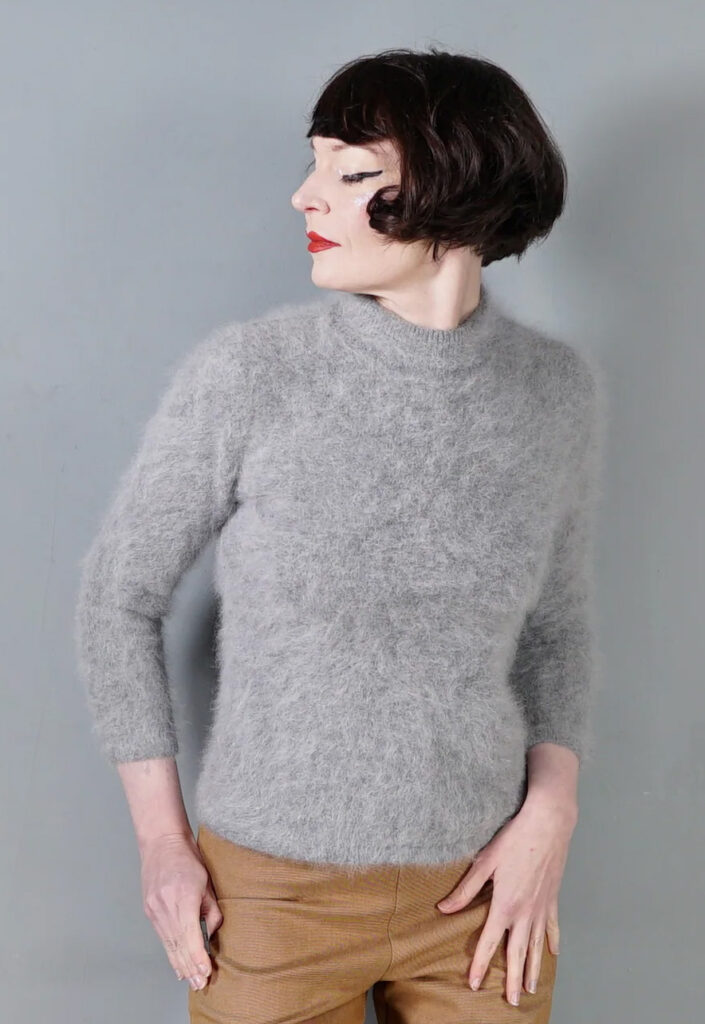
Alpaca yarn – Spun from the fleece of alpaca, this fibre is known to be hypoallergenic. This is why it is often used in next-to-skin garments and baby clothes.
It can stretch, so like most other animal fibres you will often find it blended with the sturdiness of wool.
Silk Yarn – Silk can be spun into a yarn in any size from fine weaving, though embroidery and even up to knitting, but it is fearsome expensive… See the “S” post
Plant Fibre Yarns
Cotton yarn – Cotton is thought as the most commonly used plant fibre and as it is widely grown, it is fairly inexpensive compared to most other plant based fibres. It is very inelastic because of the short length to the fibres, which gives the yarn a smooth finish. This allows for really great stitch definitions, but not much elasticity. Due to this, it can be known to split during knitting, especially in larger projects where the weight of a project pulls down on the working stitches. Alternatively, it can be blended with other fibres to address its shortcomings. See the “C” post.
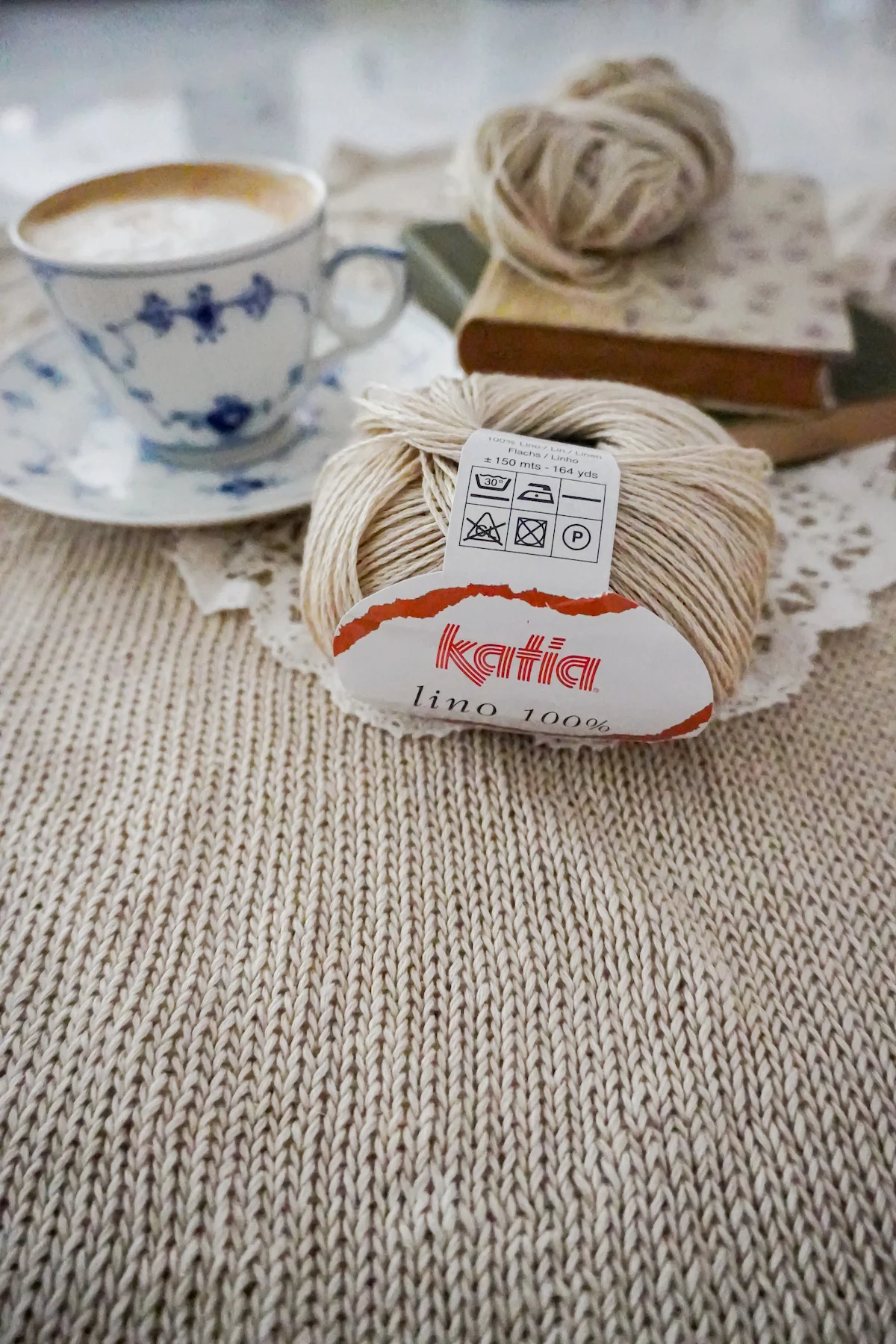
Linen – Linen is a sturdy plant fibre, much more dense and unforgiving than cotton, but it does make a lovely blend for summer, because of its moisture-wicking capabilities. It is usually mixed with other plant-based fibres to soften the resulting yarn.
Semi-Synthetic Yarns
Tencel – This fibre is made from wood pulp from eucalyptus trees, and is used increasingly in clothing manufacture. Tencel yarn is similar to bamboo; it is smooth and soft, with a wonderful silk-like drape and sheen. It is a strong yarn which is comfortable to wear against the skin.
Bamboo yarn – Bamboo is fast becoming popular as an alternative to cotton and because it is easy to grow, we are seeing more use of this yarn by yarn manufacturers. It has a good stretch, which is great for smaller projects, but needs to be considered for those larger garments. See Semi-Synthetics in the “S” post
Ecovero Viscose – See Semi-Synthetics in the “S” post
Synthetic Yarns
Synthetic yarn clothing, commonly made from materials like acrylic, polyester, and nylon, is prized for being durable, affordable, lightweight, and easy to machine-wash. These petroleum-based fibers are popular for sweaters, socks, and accessories because they are hypoallergenic and often mimic wool or cotton, though they are less breathable and release microplastics when washed. Also, given the current price of oil due to the war in Iran, these fibres will inflate in price too…
Nylon – This is a synthetic, or man-made fibre and often blended with wool for sock yarn. Its elasticity makes it perfect for allowing socks to stretch over your feet and create ease in movement. See the “Silk, Synthetics, Semi-synthetics and “S” Fabrics…” post
Polyester – usually blended with animal or plant fibres to help with drape and ease of care. It is much more inexpensive by comparison to natural alternatives, so has become more popular in recent years. See the “Silk, Synthetics, Semi-synthetics and “S” Fabrics…” post
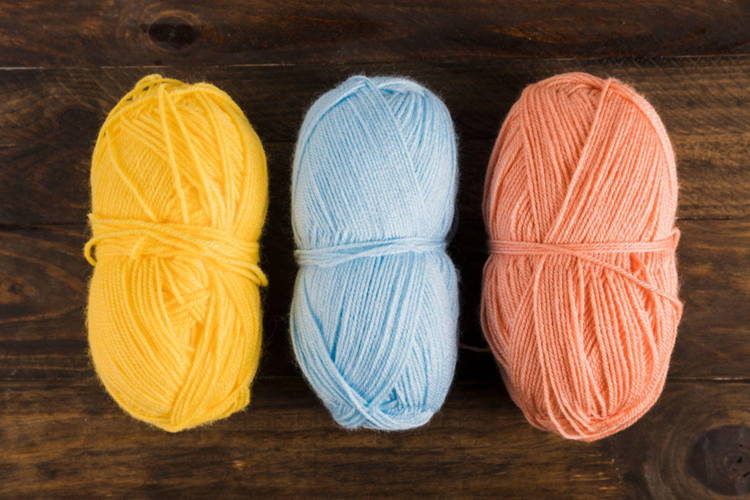
Acrylic – The most commonly used man made fibre has to be Acrylic. It is inexpensive and easy to care for, making it a great choice for those on a budget. But it can stretch and have a crunchy feeling which isn’t always great during wear. Long term a wool alternative will outperform every time. See the “Silk, Synthetics, Semi-synthetics and “S” Fabrics…” post

I hope this whistlestop guide to yarns has given some food for thought, including using recycled yarns…
I compiled a list of as many fabrics, fibres and related items as possible (278 items), from several sources, the most comprehensive of which was Wikipedia. Since there are only 26 letters in the alphabet, I could not write in detail about every instance so I have taken snippets of text for the brief descriptions and linked to the source in the name of the item. I am indebted to all the contributors to those Wikipedia pages and the depth of knowledge to be found there…
As I was reading, I stopped at this sentence, “The yarn is produced from the wool of the Angora goat.” I thought to myself – what? So I reread the sentence and thought why did I think it was a rabbit . . .and then I read the next sentence and laughed out loud! I’m visiting from April A to Z!
LOL. Thanks for visiting Lisa!
Acrylic can also squeak when knitted with (I have more trouble with that when my hands are sweaty–like in summer). I use a lot of acrylic, so not complaining. Although, some yarns snobs definitely do (complain).
I know what you mean, Lisa though squeaking never came up in the list of advantages and disadvantages of acrylic lol…