“Choose any subject you would like to write about…” that is the object of the A to Z Challenge, and thinking of things that interest me is not a problem for me, but choosing a subject not only to write about, but to write in a way that other people will catch my interest – that is the real challenge! This year I turn to a subject, close to our skin if not our hearts, and yet, again, I wonder if this subject will get some people past the title on the list – dismissed as niche? For this year, my theme is What We Wear – Fabrics and Fibres
We are all used to the concept of recycling items such as paper and cardboard, glass bottles, plastic packaging and more recently, supermarkets here in the UK have started accepting “soft plastics” carrier bags, polythene and acetate, but there is one area of waste which is really underutilised and that is textiles. I say underutilised because the point of recycling anything, is that you have substances that are already concentrated, refined and purified compared to the original source of those goods. Those materials may have originally come from another part of the world with all the trade and transport costs involved, and yet in recycling, that refined product can be turned back into a raw material right there in your own country.
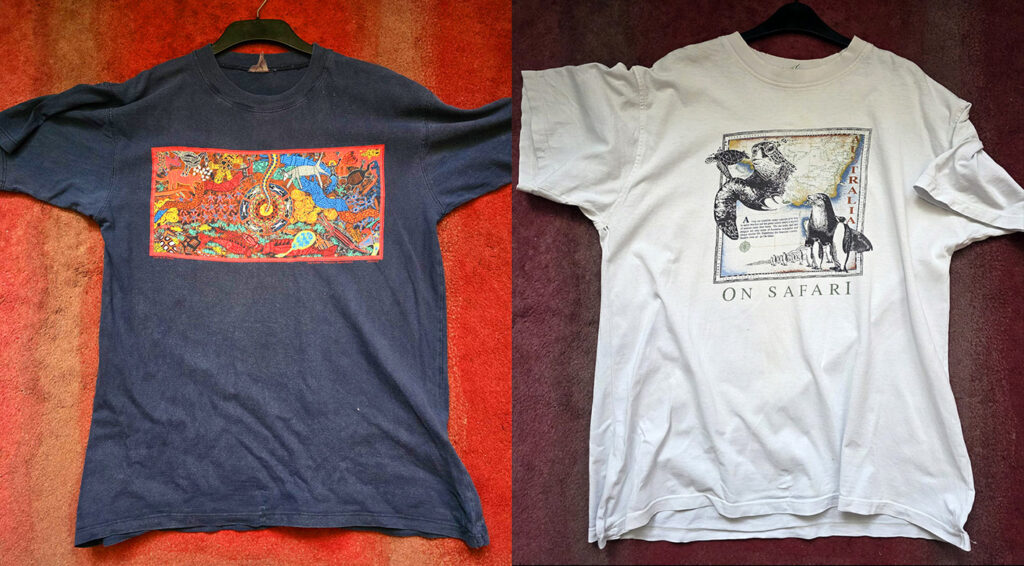
The excellent video below tells the whole story, but let me summarise some of the main points first. In Europe alone, approximately 6 million tons of textile waste is produced and yet only 1% of that is recycled. Some comes from hospitals and hotels, things like sheets and curtains but 85% comes from consumers like you and me. Some more of the waste will be turned into insulation or rag but the small amount of recycling and the colossal amount that goes to landfill is a shocking waste of resources. Women’s clothes are often made with a short lifespan expectation driven by the needs of the fashion industry to persuade us to constantly buy and dress in the next new look and so many items of clothing are discarded after only a few wears – others like the T-shirt in the video, are worn many times and I have to say that I have some t-shirts handed down from my late father which I still wear regularly, not just for sentimental reasons, but because they were quality makes in the first place – I wrote about them in last year’s A to Z.
The video below shows how the recycling process works, and key to it is the automatic sorting machines that can detect what sort of fabric an item is and literally blows them into the right bin. Next, any hard items like buttons or zips must be removed before the next stage. We will get to Synthetics and Semi-Synthetic fabrics in the next post, but suffice it to say that natural fabrics such as cotton and synthetics like acrylic, will go down separate recycling paths – cotton can be shredded and broken down into constituent fibres and incorporated into new yarns and made into new fabrics – pure cotton or blended with other fibres. Synthetics may be broken down by physical and chemical means before being respun into new fibres.
There are two things the video does not say, but I met a man in my nearby town who now runs a wool shop, or should I say a yarn shop, since not all the yarns are wool, but he used to make a living from recycling and he made these two points. On being made redundant in the ’80’s, he realised that he had seen a lot of waste material coming out of the textile mills in this area – cardboard, polythene but also, once he started his business – textile waste – offcuts, ends of rolls, damaged sections. He discovered there were companies who could recycle this waste and he made a good living doing it. Firstly, he pointed out, that by incorporating a proportion of recycled fibre into new yarns, manufacturers saved money on buying the raw material from abroad and they could either use the same material – cotton say – or they could use other fibres to create blends – remember blends from my “B” post? Blends that are not just about saving money by incorporating the recycled material, but improving the qualities of the material – making it stronger, more elastic, wear better – all depending on what the blend is – poly-cotton is a prime example. But ironically, and this is the second point the video doesn’t mention, it is more difficult to recycle blended fabrics rather than mono fabrics. There are new chemical processes that are coming into play but there is such a weight of waste material available to recycle that it is not essential to do do this yet.
The key point made at the end of the video, is that it is the sorting machines that are key to the process of recycling textiles and upscaling the recyling is what is needed to stop the colossal waste of material and money that goes to landfill at present. One illustration of the waste that needs addressing, especially now so many clothes are bought online, is that manufacturers, especially from different countries – and so much clothing is imported from elsewhere – are inconsistent with their sizing and so customers will buy two or three items at different sizes to ensure they get a fit, knowing they can pay a small price to return the unwanted items. Now the margins on comparatively cheap clothing are so small, that it may not pay the supplier to refold, rebag and resell the returned items and so they mostly go to landfill. Legislation and international standardisation are needed to reduce this criminal and unnecessary waste…
So good peeps, if you turn out clothes, send them to a charity/thrift shop – because if they cannot sell them, then they should be connected to a textile recycling centre – something you may have difficulty doing on your own – though if you are lucky, there may be a collection point near you – consult the internet…
Here are acouple more links if you want to know more about textile recycling…
https://londonrecycles.co.uk/recycling-101/what-happens-to-your-recycling/how-textiles-are-recycled/
https://www.shredstation.co.uk/blog/textile-recycling-in-the-uk/#:~:text=Textile%20recycling%20processes%20typically%20involve:%20%20Sorting,%20Linen%20%20Hemp%20%20Cellulose%20fibers
“R” Fabrics
Radzimir – a heavy, structured silk, sometimes found with a twill weave. It has a matte but lustrous finish and is similar in handle to a silk duchess or taffeta.
Raffia – fibre is made from the palm, it is a natural string that is woven into baskets, shoes and clothing
Rakematiz – this should have gone in the “historic” post but heigh ho – a thick silk fabric embroidered with strands of gold. It was extremely rare and valuable in earlier eras. Apparel that incorporated rakematiz was popular in Europe in the Middle Ages.
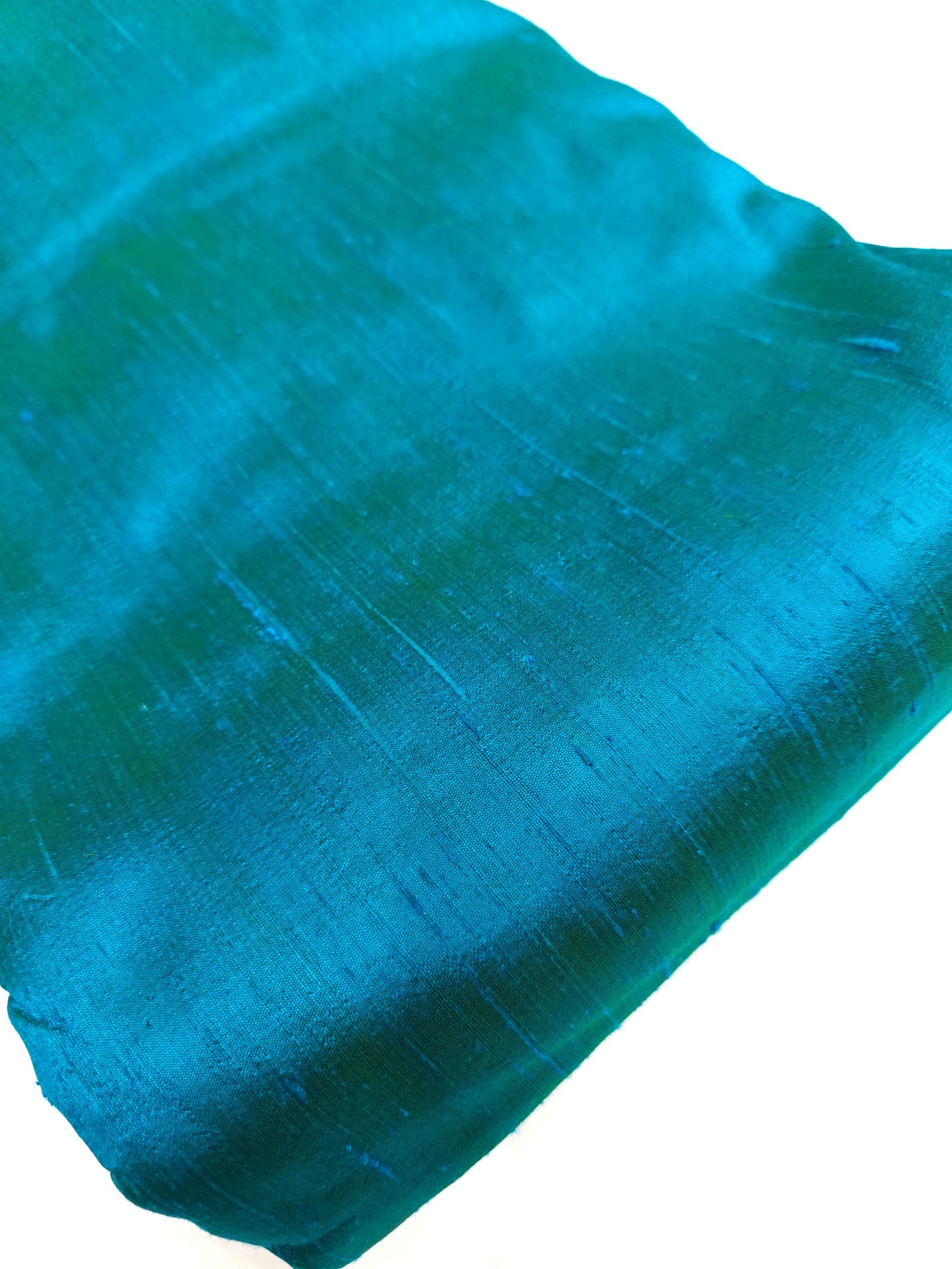
Raw Silk – Term used to describe silk that has a less-refined, raw look to it. Also called Dupion, Thai Silk or Matka.
Rayadillo – a blue-and-white striped cotton or flannel material that was used to make the military uniforms worn by Spanish colonial soldiers from the later 19th century until the early 20th century. In more recent times, rayadillo patterns have made a reappearance in the world of clothing and tailoring in general, and have been popularised in everyday garments, specially in trousers, also known as mil rayas.

Rep – a cloth woven in fine cords or ribs across the width of a piece, usually made of silk, wool, or cotton. The name is said to have been adapted from the French reps, a word of unknown origin; it has also been suggested that it is a corruption of rib. In silk it is used for dresses, neckties, and to some extent, for ecclesiastical vestments. In wool and cotton it is used for various upholstery purposes.
The weaving process behind repp fabric is what gives it its unique look and feel:
- Warp-Rib Structure – The fabric is woven on a plain weave base, but with dominant warp threads that form the ribs.
- Yarn Selection – Thicker and finer warp yarns are alternated, creating visible ridges across the fabric’s width.
- Weft Role – The weft threads are finer and less visible, allowing the ribs to stand out clearly.
The result is a fabric with distinctive horizontal ribs, ranging from subtle to pronounced, depending on the yarns and finishing used.

Rinzu – another historic fabric – a Japanese silk satin damask. It was the preferred fabric for kimono in the Edo period.
Russel Cord – a finely corded fabric, generally constructed with a cotton warp and worsted weft (filling). Two or more warp threads are woven together to form the cord, thus the cord lines run warp-wise.Russell cord is visually similar to a very narrow-waled corduroy called pincord, but it is heavier and more sturdy. It is usually woven using 40% cotton and 60% wool (or similar compositions depending on the weaver). It is mainly used in the making of high quality black academical dress, as well as clerical dress and legal dress in the United Kingdom. It is woven using thicker strands so is heavier than princetta.

I compiled a list of as many fabrics, fibres and related items as possible (278 items), from several sources, the most comprehensive of which was Wikipedia. Since there are only 26 letters in the alphabet, I could not write in detail about every instance so I have taken snippets of text for the brief descriptions and linked to the source in the name of the item. I am indebted to all the contributors to those Wikipedia pages and the depth of knowledge to be found there…