“Choose any subject you would like to write about…” that is the object of the A to Z Challenge, and thinking of things that interest me is not a problem for me, but choosing a subject not only to write about, but to write in a way that other people will catch my interest – that is the real challenge! This year I turn to a subject, close to our skin if not our hearts, and yet, again, I wonder if this subject will get some people past the title on the list – dismissed as niche? For this year, my theme is What We Wear – Fabrics and Fibres
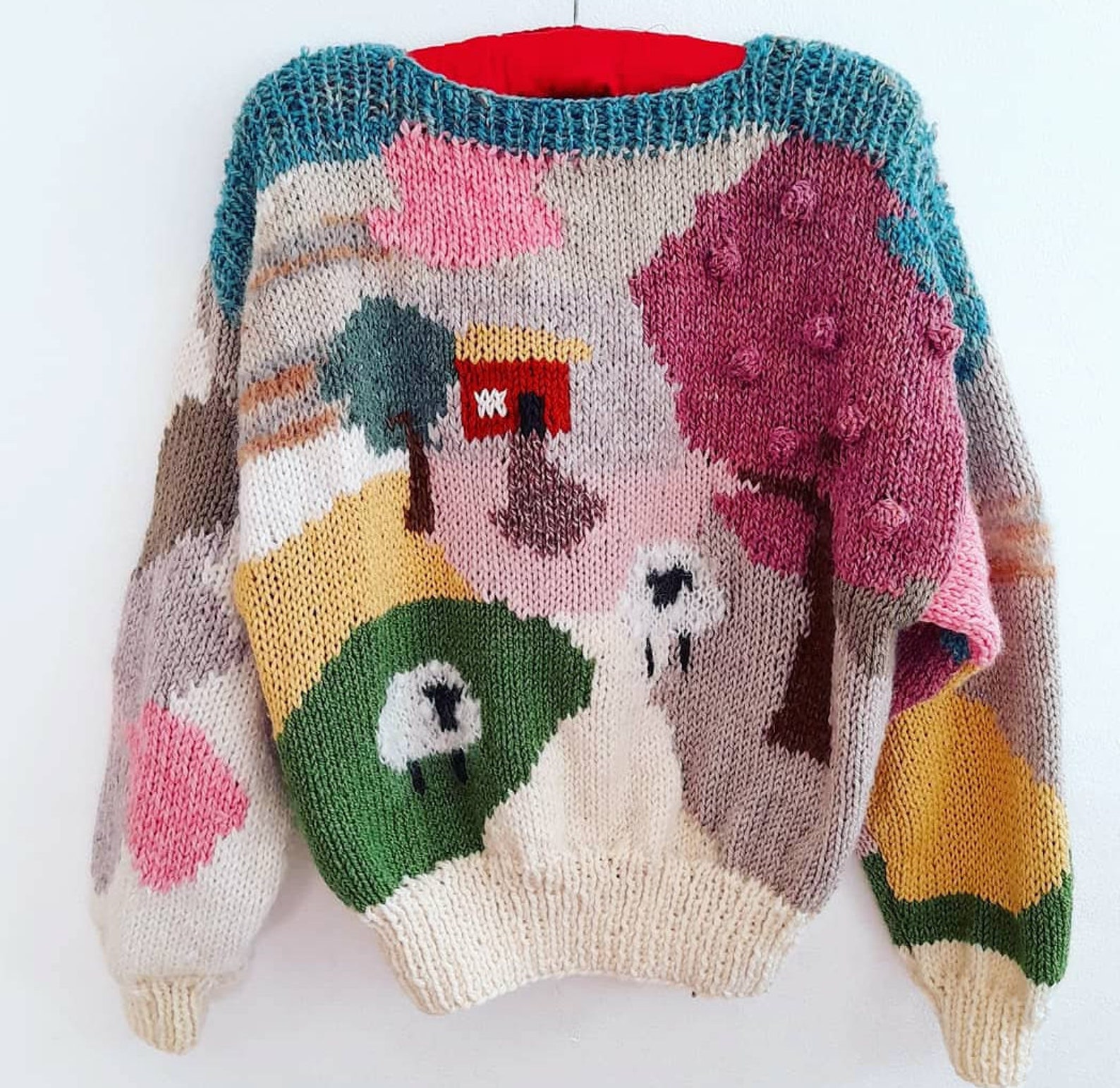
Intarsia – a knitting technique used to create large, distinct blocks or panels of colour within a garment without carrying yarn across the back, resulting in a smooth, non-bulky fabric. It involves using separate bobbins or balls of yarn for each colour area, twisting yarns at colour changes to prevent holes.
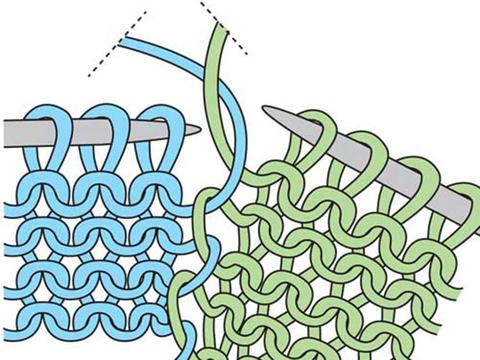
The diagram above shows how, when transitioning from one area of colour to another, the yarns are twisted around one another – the green will be picked up again on the return row. This is different from, say, Fair Isle knitting where the colour not currently in use, is carried across the back of the piece until it is required again – this suits patterns with a lot of tiny repeated motifs in each row whereas Intarsia could be used , say, to produce a map of the world with each country in a different colour. This means that the fabric is less bulky any and there are no loops across the back to get caught and pulled…
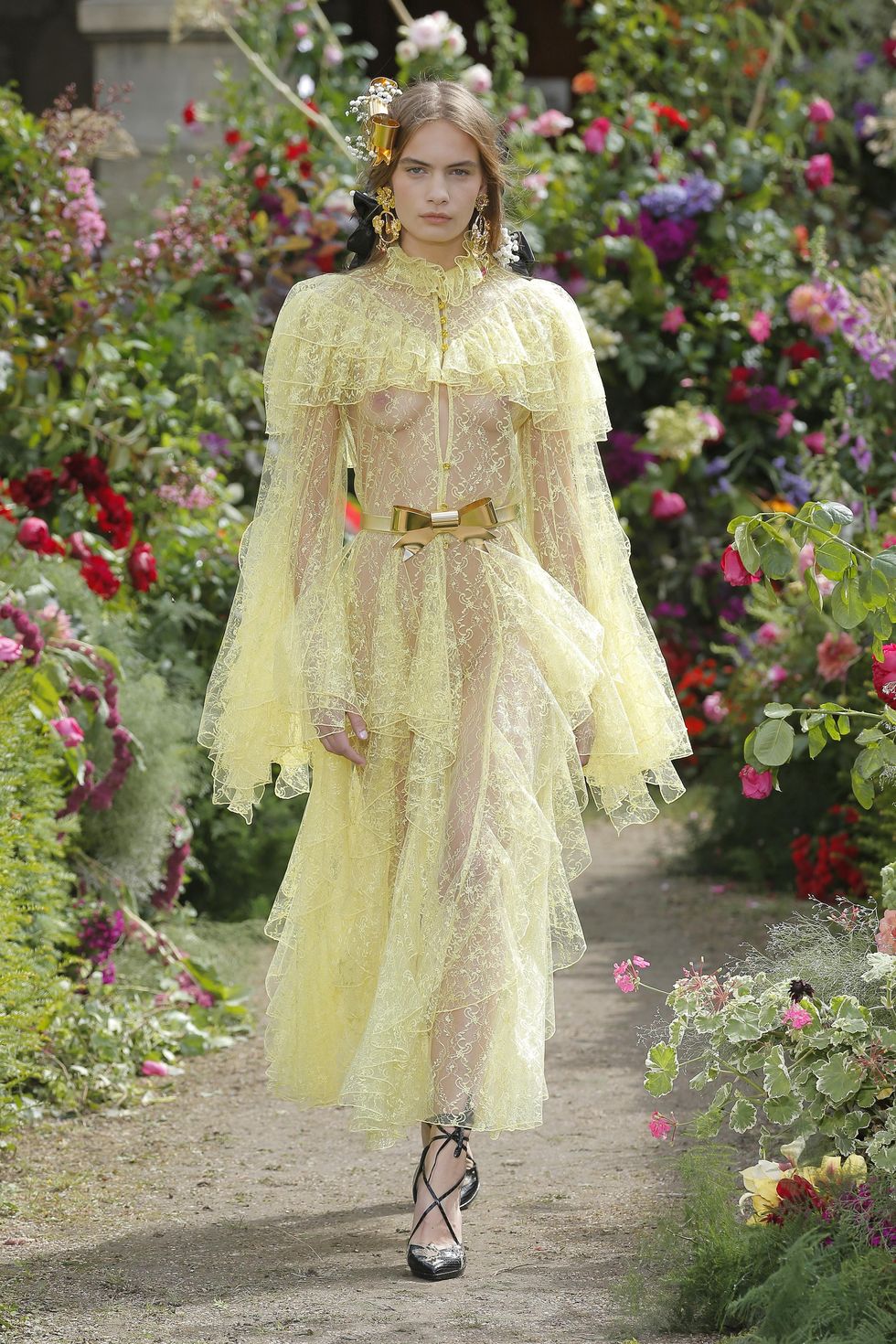
Illusion Tulle – Tulle is a family of semi-transparent fabrics similar to gauzes but finer and whilst made originally of silk, the advent of synthetic fibres, which tend to be translucent in the first place, has made them the fibres of choice for tulles; moreover, Illusion Tulle is made by fusing the yarns together, this tulle is very fine giving it the ability to disappear on the skin. This makes it ideal for wedding dresses, often embellished with embroidery which then seems to float and for those ballroom dresses you see on Strictly Come Dancing, which seem to have no visible means of support…

.jpg)

I compiled a list of as fabrics, fibres and related items as possible (278 items), from several sources, the most comprehensive of which was Wikipedia. Since there are only 26 letters in the alphabet, I could not write in detail about every instance so I have taken snippets of text for the brief descriptions and linked to the source in the name of the item. I am indebted to all the contributors to those Wikipedia pages and the depth of knowledge to be found there…
I will be making my list available at the end of the A to Z…
For machine knitting (which was a hobby of mine for a good few years) I used to have an intarsia carriage. I don’t remember using it much!
My parents bought a knitting machine but it was my Dad, a mechanical engineer, who got to use it as it phased my Mother… We had some jerseys made on it!
Tulle is also good for embellishments, in small patches like decorative pockets on clothes and cloth bags.
Yes, that’s a good idea, Cai. Decorative pockets that were transparent could contain special objects that could be seen…
I’ve always loved tulle! I don’t own anything at this time – too old haha! I’m dropping by from the April A to Z Challenge.
Does one ever get too old for Tulle, Lisa – I am sure I have seen a photo of Barbara Cartland wearing pink tulle, but of course that might be an age related imagining lol…
Intarsia… Now, that’s a word I know. It’s actually fun to knit.
I think I tried it with a Kaffe Fassett design but it was hard to manage all the different wools at the back as there were lots of changes…