“Choose any subject you would like to write about…” that is the object of the A to Z Challenge, and thinking of things that interest me is not a problem for me, but choosing a subject not only to write about, but to write in a way that other people will catch my interest – that is the real challenge! This year I turn to a subject, close to our skin if not our hearts, and yet, again, I wonder if this subject will get some people past the title on the list – dismissed as niche? For this year, my theme is What We Wear – Fabrics and Fibres
So we are getting to som e difficult letters V, X and Y – X I am going to steal to give Wool a whole post to itself, Y there was one fabric Youghal Lace but I lumped that in with Lace under “L” so for V I am just going to elaborate on the V fabrics and eschew a topic…
Velvet, Velveteen and Velour…
I have felt a bit nerdy making the deep dive into Fabrics and Fibres that this A to Z subject has turned out to be, but there are other bloggers who have made textiles the entire and permanent subject of their blogs and for Velvet, I discovered a video that answers everything I was going to write on the subject – Textile with Alberto is a YouTube channel of videos made by Alberto – an Italian textile technician, so, take it away, Alberto…
Honestly, the video left me nothing to say, but let me summarise: once made from silk, by a complex and labour-intensive weaving process, Velvet became more affordable once mechanical looms could do the job and also with the use of cheaper yarns ranging from cotton to synthetics. The essence of the process is that two layers of cloth are woven at the same time – linked by an extra warp (or in the case of Velveteen, weft) and then a knife cuts the linked threads and separates the two layers of velvet. Velvet is soft, shiny and will take all sorts of finishing, printing, polishing or creating areas where the pile is selectively dissolved away (devoré).
Velour is a velvety-looking fabric but is produced by knitting rather than weaving. Right there, we can see how velvet has become an adjective to describe luxuriance – try finding an ad for drinking chocolate that doesn’t use the word velvety…

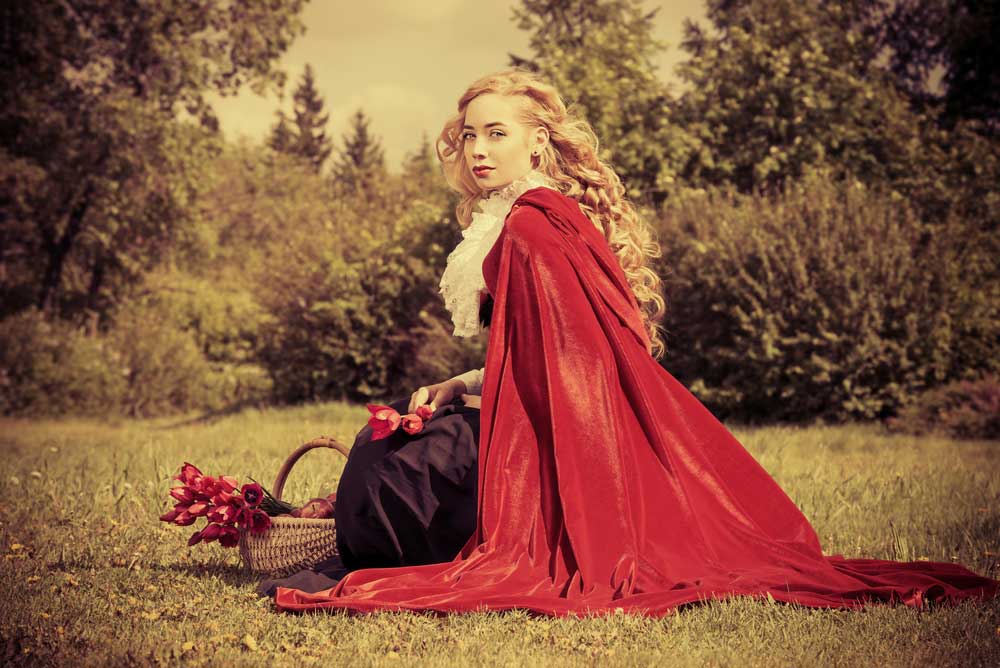


Devoré – Thanks to my sister for pointing out this fabric. Devore velvet is a textile created using the devoré (burnout) technique, where a chemical paste selectively dissolves cellulose-based fibres in a mixed-fibre velvet, leaving behind a semi-transparent pattern against the remaining protein-based fibres such as silk. This process produces a visually striking contrast of sheer and opaque areas, giving the fabric a textured, elegant appearance. It is often made from blends like silk and viscose, which allow the chemical process to work effectively. (Wikipedia)
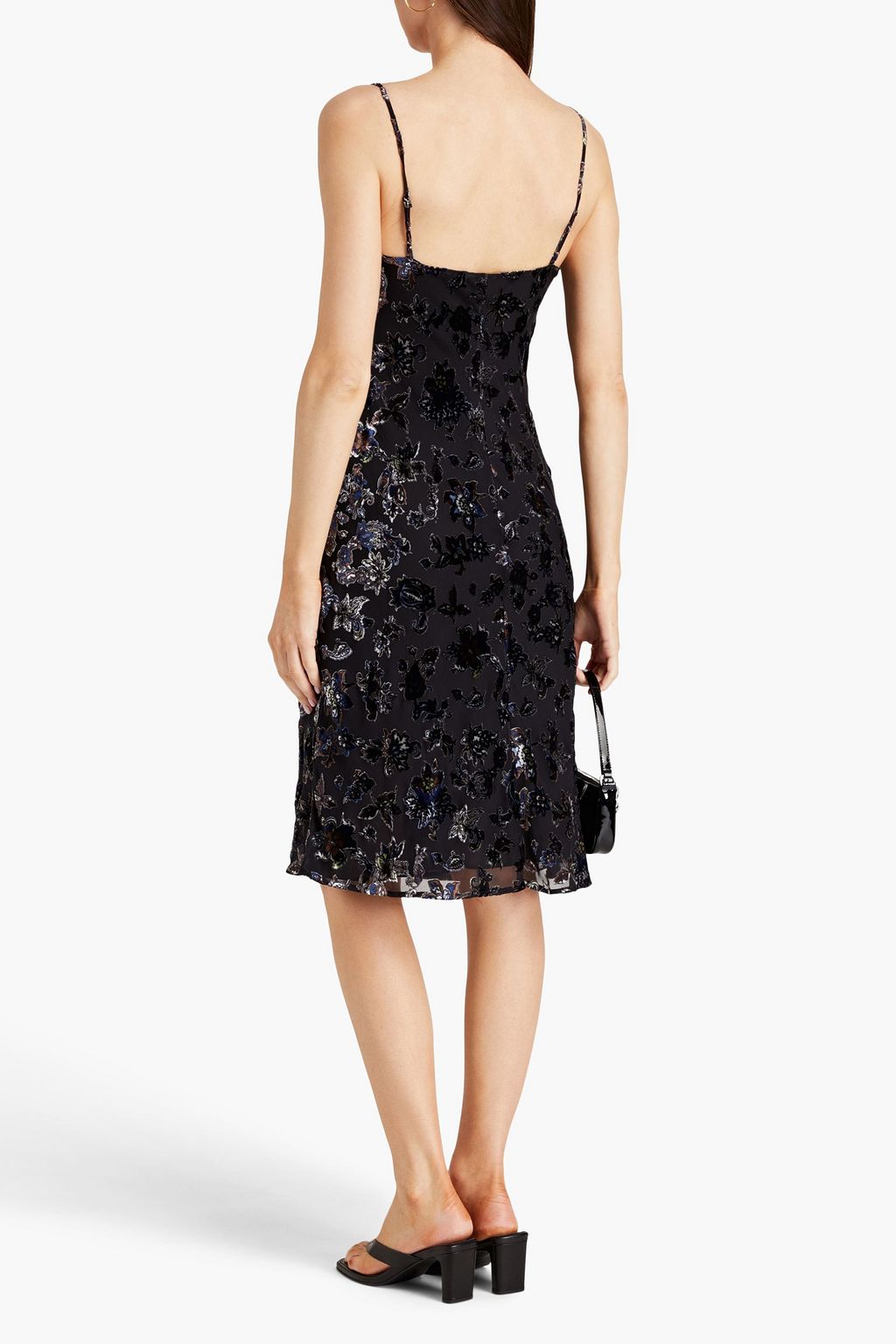
Velour – Velour is a knitted fabric, which makes it stretchy (unlike velvet and velveteen, which are woven). Velour is soft, allows freedom of movement, and is used for activewear and loungewear.

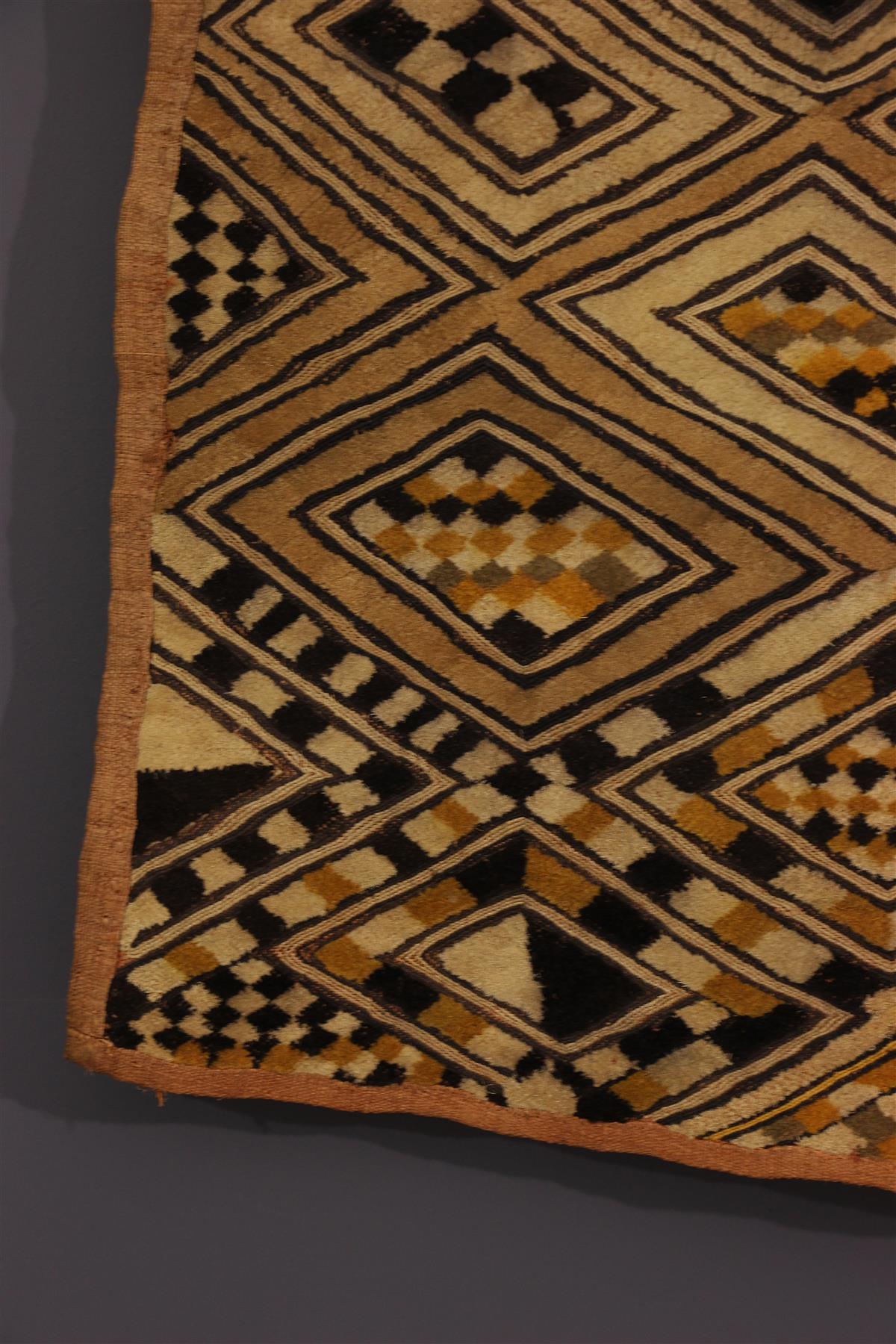
Velours de Kasaï – Not to be confused with Velour in any way – Velours du Kasaï (Kasaï velvet) is a kind of textile fabric made in Kasai, a province in the Democratic Republic of the Congo (Zaïre). Traditionally, the weaving is done by men of the Shoowa from the Kuba ethnic group, while the embroidery is reserved to women. Ideally, the embroiderers should be pregnant. The technique is still practised. is formed of many triangles of bark, alternately black and white. These are cut out of the raw bark either natural, or dyed black and sewn together.
Velvet Panné – a long and flattened pile velvet, creating a shiny and luxurious look.
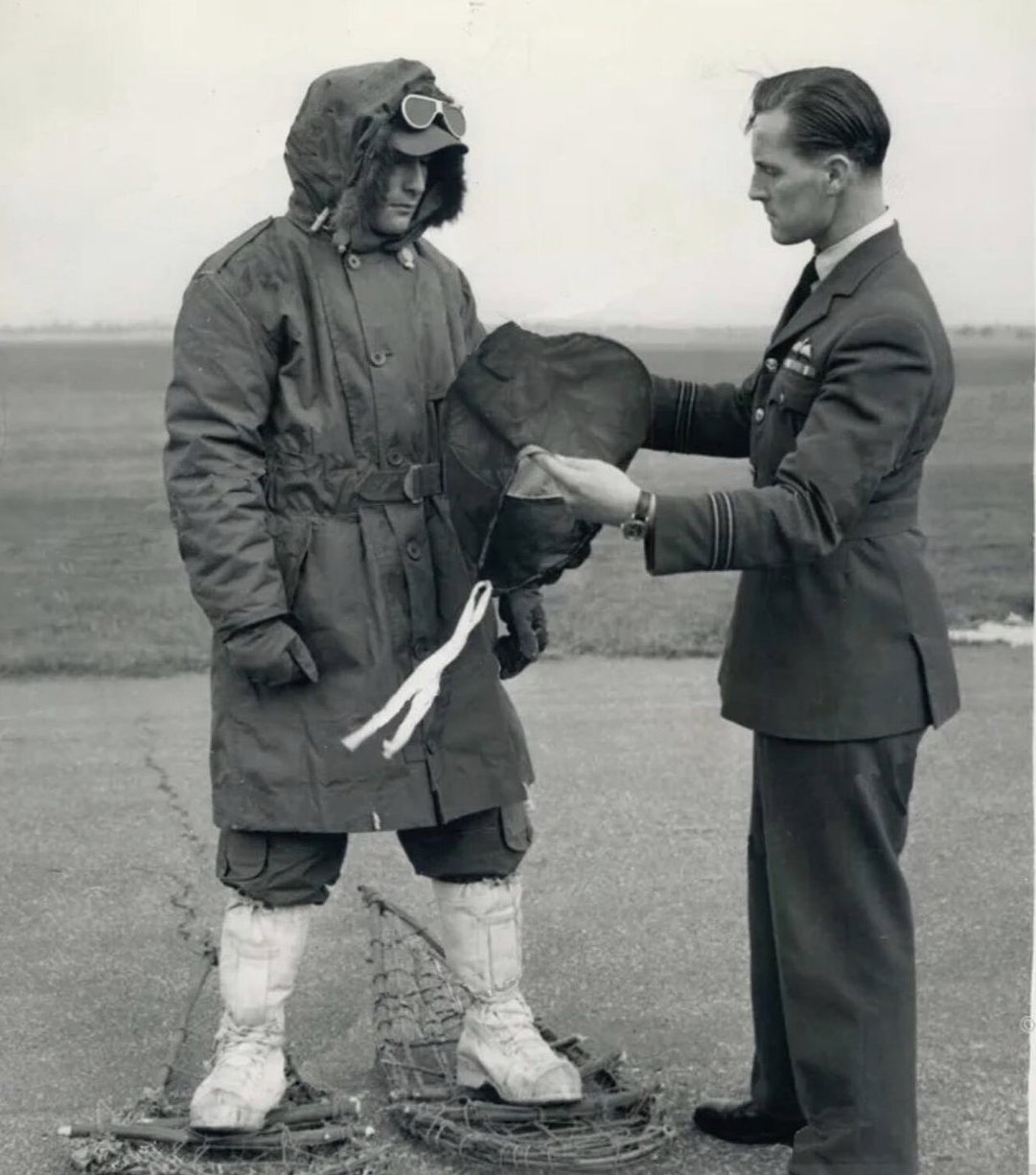
Ventile – Ventile, is a registered trademark used to brand a special high-quality woven cotton fabric first developed by scientists at the Shirley Institute in Manchester, England. Originally created to overcome a shortage of flax used for fire hoses and water buckets, its properties were also useful for pilots’ immersion suits, but expensive and leaky if exposed to sweat or oils. Extra-long-staple (ELS) cotton fibres are used to form a low-twist yarn, which is then woven into a tight high-density textile to create a 100% cotton fabric, capable of providing an effective barrier against inclement weather. In wet weather the softly spun yarns – within the tight weave – dynamically expand to form an effective barrier against the elements. (Wikipedia)
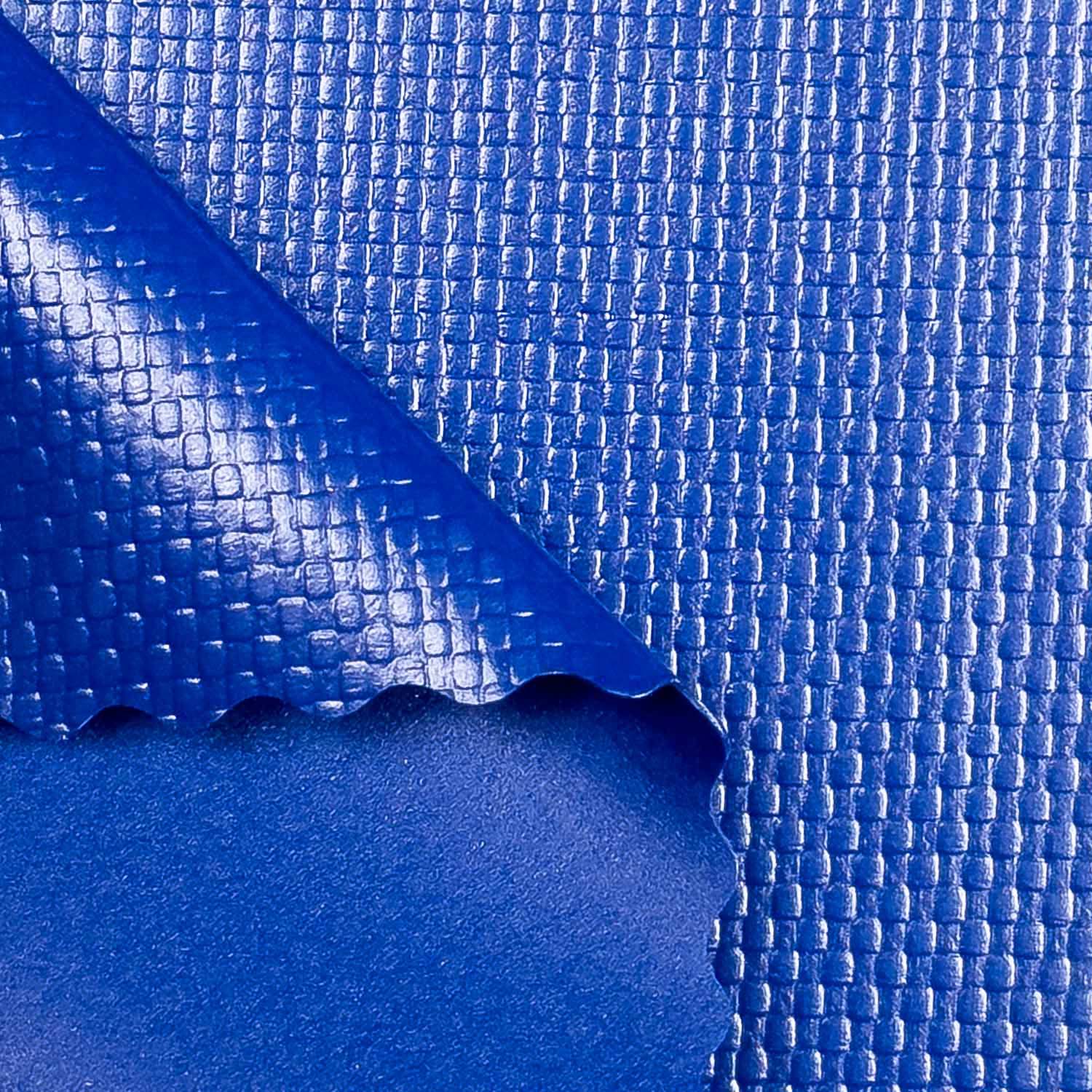
Vinyl Coated Polyester – is made up of a polyester scrim, a bonding or adhesive agent, and an exterior PVC coating. The scrim supports the coating (which is initially applied in liquid form) and provides the tensile strength, elongation, tear strength, and dimensional stability of the resulting fabric. Depending on its formula, the PVC coating makes the material waterproof and resistant to dirt, mildew, oil, salt, chemicals and UV rays and gives the material added strength and durability. It can be sewn or heat sealed by way of RF(Radio Frequency) welding or hot-air welding. (Wikipedia)
Voile – a soft, sheer fabric, usually made of 99% cotton or cotton blended with linen or polyester. Named for its light weight, the fabric is mostly used in soft furnishing. In tropical climates, voile is used for window treatments and mosquito nets. When used as curtain material, voile is similar to net curtains.
I compiled a list of as many fabrics, fibres and related items as possible (278 items which I will make available at the end of the A to Z), from several sources, the most comprehensive of which was Wikipedia. Since there are only 26 letters in the alphabet, I could not write in detail about every instance so I have taken snippets of text for the brief descriptions and linked to the source in the name of the item. I am indebted to all the contributors to those Wikipedia pages and the depth of knowledge to be found there…
The whole time I was reading this post my mind kept going back to The Velveteen Rabbit…thanks for that childhood memory, now I think I’m going to have to go find that book and read it again.
Cheers,
Barbie
Well I’m glad it sparked a treasured memory Barbie…
Love the soft feel of velvet. I have a scarf with the devore.
I think the way velvet is manufactured is one of the most ingenious…
Velvet is beautiful but not a fabric I would wear.
Chacun à son goût, Li, chacun à son goût…
Luxurious fabrics.
I’m delighted to learn how velvet is made in two layers. So cool!
https://nydamprintsblackandwhite.blogspot.com/2026/04/v-is-for-vegetables.html