“Choose any subject you would like to write about…” that is the object of the A to Z Challenge, and thinking of things that interest me is not a problem for me, but choosing a subject not only to write about, but to write in a way that other people will catch my interest – that is the real challenge! This year I turn to a subject, close to our skin if not our hearts, and yet, again, I wonder if this subject will get some people past the title on the list – dismissed as niche? For this year, my theme is What We Wear – Fabrics and Fibres
Zade Fabric – This one and the one below, came from my friend Akua Lezli Hope’s list of fabrics – the term Zade is for determining the resistance of the textile’s colour to rubbing off and staining other materials. A distinction is made between wet and dry rubbing. It applies particularly to Furnishing Fabrics.
Zari – A type of metallic thread or fabric, traditionally made from fine gold or silver wire. It is used for intricate embroidery and weaving in Indian clothing, such as sarees and lehengas. Zari fabric can also be made with a mix of metallic threads and fibers like polyester chiffon to create a shiny, sheer fabric
Zephyr – or zephyr cloth is a sheer, lightweight cotton fabric, usually plain woven, used for dresses, blouses, and shirts. It may be striped or checked.[1][2] It is named after Zephyr, the Greek god of the west wind.

Zibelline – a twill weave fabric; it is heavy with bounce and lustre. Traditionally made of other fibres, but today it is most commonly found in silk or polyester
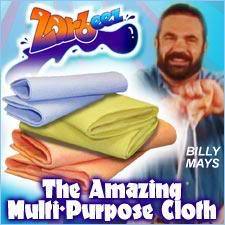
Zorbeez – a chamois cloth, which is claimed by manufacturer Vertical Branding to allegedly capable of absorbing over 20 fluid oz (600 mL) of liquid.
Z-spun yarn – This term refers to the direction in which fibers are twisted during the spinning process. In Z-spun yarn, the twist is done in an anti-clockwise direction. The resulting Z-spun or S-spun yarn affects the texture and strength of the final woven or knit fabric.
The Research List!
I compiled a list of as many fabrics, fibres and related items as possible – 278 items which you can see below, from several sources, the most comprehensive of which was Wikipedia. Since there are only 26 letters in the alphabet, I could not write in detail about every instance so I took snippets of text for the brief descriptions and linked to the source in the name of the item. I am especially indebted to all the contributors to those Wikipedia pages and the depth of knowledge to be found there…
New wpDataTable
| No. | Fabric Name | Process | Natural? | Fibre | Type | Category | Availability | Source |
|---|---|---|---|---|---|---|---|---|
| 1 | Acetate | Spun fibres | Natural | Cellulose from wood pulp | A natural fibre made from spinning filaments of cellulose derived from wood pulp. It is a cool and comfortable fibre to wear, with good durability and anti-static properties | Fibre | Contemporary | https://www.thesilksociety.com/a-z-of-fabrics/ |
| 2 | Acrylic | Spun fibres | Synthetic | Polymer | Wool substitute | Fibre | Contemporary | https://www.thesilksociety.com/a-z-of-fabrics/ |
| 3 | Aertex | Fabric | Natural | Cotton | Aeration; trapping air within the warp and weft of fabric. The result was a fabric that provided a barrier between the warmth of the skin and the chill of the atmosphere | Fabric | Contemporary | Wikipedia |
| 4 | Aloe Vera | Spun fibres | Natural | Aloe Vera | has anti-bacterial and anti-allergenic properties. | Fibre | Contemporary | https://www.thesilksociety.com/a-z-of-fabrics/ |
| 5 | Baize | Felted | Natural | Wool | Baize is a coarse woollen (or in cheaper variants cotton) cloth, similar in texture to felt, but more durable -The surface finish of baize is coarse, thus increasing rolling resistance and perceptibly slowing billiard balls. Baize is available with and without a perceptible nap. Snooker, in which understanding nap effects is part of the game, uses the nappy variety, while pool and carom billiards use the napless type. | Fabric | Contemporary | Wikipedia Fabric List |
| 6 | Ballistic Nylon | Woven | Synthetic | Nylon | Thick, tough, nylon fabric with several uses. Ballistic nylon was developed by the DuPont corporation as a material for flak jackets for World War II airmen. It was called ballistic because, together with other components, it was intended to protect its wearers from flying debris and fragmentation from bullet and artillery-shell impacts. | Fabric | Contemporary | Wikipedia Fabric List - see for details of basket weave |
| 7 | Bamboo | Spun fibres | Natural | Bamboo | very sustainable fibre, known to be anti-bacterial, very soft and durable | Fibre | Contemporary | https://www.thesilksociety.com/a-z-of-fabrics/ |
| 8 | Barathea | Woven | Natural | Various | Soft fabric, with a broken twill weft rib, giving a surface that is lightly pebbled or ribbed, with the effect of a twill running both left and right. Originally developed as a cloth for mourning clothes in the 1840s, it took several decades to become popular for other purposes, due to its association with bereavement | Fabric | Contemporary | Wikipedia Fabric List |
| 9 | Barkcloth | Woven | Natural | Inner tree bark | Barkcloth or bark cloth is a versatile material that was once common in Asia, Africa, and the Pacific. Barkcloth comes primarily from trees of the family Moraceae, including Broussonetia papyrifera, Artocarpus altilis, Artocarpus tamaran, and Ficus natalensis. | Fabric | Historical | Wikipedia Fabric List inc. modern |
| 10 | Basket Weaven Batiste (Cambric) | Woven | Natural | Warp and weft are equally crossed under and over each other, e.g. two under, two over and so on. | Fabric | Contemporary | https://www.thesilksociety.com/a-z-of-fabrics/ see also Wikipedia Fabric List | |
| 11 | Bedford Cord | Woven | Any | Many | Durable, corded fabric traditionally made from fibers like cotton, wool, or silk, and it can also be made from rayon or synthetic blends. The fabric is characterized by its prominent, vertical cords, which are created using "stuffer yarns" in the weave structure | Fabric | Contemporary | Wikipedia Fabric List |
| 12 | Bengaline Silk | Woven | Natural | Rayon/ Cotton blend | Material which became fashionable for women and children to wear in the 1880s and 1890s. It offered the impression of genuine silk but was made with lesser amounts of silk than cotton - The fabric went out of fashion when completely smooth-surfaced materials became popular. Piqué, coachman's whipcord, diagonal serge, and surah are similar to bengaline silk. | Fabric | Historical | Wikipedia Fabric List |
| 13 | Beta Cloth | Woven | Synthetic | Silica | Fireproof PTFE impregnated silica fiber cloth used in the manufacture of Apollo/Skylab A7L space suits, the Apollo Thermal Micrometeoroid Garment, the McDivitt Purse,[1] and in other specialized applications | Fabric | Contemporary | Wikipedia Fabric List |
| 14 | Bobbinet (Genuine Tulle) | Bobbinet machine | Any | Many | Bobbinet tulle or genuine tulle is a specific type of tulle which has been made in the United Kingdom since the invention of the bobbinet machine. | Fabric | Contemporary | Wikipedia Fabric List |
| 15 | Boiled Wool | Felted | Natural | Wool | Boiled wool is a type of fabric primarily used in creating berets, scarves, vests, cardigans, coats, and jackets. Boiled wool is a type of felted wool, and is similar to non-woven wool felt | Fabric | Contemporary | Wikipedia Fabric List |
| 16 | Bombazine | Woven | Natural | Silk, Wool, recently Cotton | Fabric originally made of silk or silk and wool, and more recently also made of cotton and wool or of wool alone. Quality bombazine has a silk warp and a worsted weft. It is twilled or corded and used for dress-material: commonly in dresses, skirts, and jackets. It was a heavy and dense fabric, with a fine diagonal rib that ran through the weave of the fabric | Fabric | Contemporary | Wikipedia Fabric List |
| 17 | Bouclé | Woven | Any | Wool, Cotton, Silk,Linen, and Polyester | Looped yarn or the resulting fabric woven from this yarn. The yarn is made from a length of loops of similar size, which can range from tiny circlets to large curls.[1] To make bouclé, at least two strands are combined, with the tension on one strand being much looser than the other as it is being plied, resulting in the loose strand (known as the "effect yarn") forming the loops, with the other strand acting as the anchor | Fabric | Contemporary | Wikipedia Fabric List |
| 18 | Brilliantine | Woven | Natural | Wool or Mohair weft on a Silk or Cotton warp | Lightweight, mixed-fibre fabric popular from the mid-19th century into the early 20th century. Brilliantine can be plain or twill woven, has a lustrous finish and is known for its dust-shedding properties; it was available in solid colors or printed, and was used for dresses, dusters, and linings. | Fabric | Historic | Wikipedia Fabric List |
| 19 | Broadcloth | Woven | Natural | Wool | Dense, plain woven cloth, historically made of wool. The defining characteristic of broadcloth is not its finished width but the fact that it was woven much wider (typically 50 to 75% wider than its finished width) and then heavily milled (traditionally the cloth was worked by heavy wooden trip hammers in hot soapy water) in order to shrink it to the required width. The milling process draws the yarns much closer together than could be achieved in the loom and allows the individual fibres of the wool to bind together in a felting process, which results in a dense, blind-face[i] cloth with a stiff drape: highly weather-resistant, hard-wearing and capable of taking a cut edge without the need for being hemmed. | Fabric | Historic | Wikipedia Fabric List |
| 20 | Brocade | Decoration | Natural | Any | characterised by its richly decorative pattern using many coloured yarns and has a slightly raised texture to it | Fabric | Historic | https://www.thesilksociety.com/a-z-of-fabrics/ |
| 21 | Broderie Anglaise | Decoration | Natural | Cotton | Whitework needlework technique incorporating features of embroidery, cutwork and needle lace that became associated with England, due to its popularity there in the 19th century | Fabric | Historic | Wikipedia Fabric List |
| 22 | Buckram | Woven | Natural | Cotton, or occasionally,Linen or Horse-hair | Stiff cotton, or occasionally, linen or horse-hair cloth with a plain, usually loose, weave, produced in various weights similar to muslin and other plain-weave fabrics.[1] The fabric is soaked in a sizing agent such as wheat-starch paste, glue (such as PVA glue), or pyroxylin (gelatinized nitrocellulose, developed around 1910), then dried. When rewetted or warmed, it can be shaped to create durable firm fabric for book covers, hats, and elements of clothing | Fabric | Contemporary | Wikipedia Fabric List |
| 23 | Calico(inc.Chintz)Bafta | Woven | Natural | Cotton | Calico (/ˈkælɪkoʊ/; in British usage since 1505)[1] is a heavy[2] plain-woven textile made from unbleached, and often not fully processed, cotton. It may also contain unseparated husk parts. The fabric is far coarser than muslin, but less coarse and thick than canvas or denim. However, it is still very cheap owing to its unfinished and undyed appearance. Bafta was a generic term for plain calico from Gujarat | Fabric | Contemporary | Wikipedia List of Fabrics |
| 24 | Camberwick | |||||||
| 25 | Camel hair | Woven or knitted | Natural | Camel hair yarn | Camel hair specifically refers to the fur from the body of a camel, but more generally refers to the fibre (and cloth) that may be made from either pure camel hair or a blend of camel hair and another fibre | Fabric | Contemporary | Wikipedia List of Fabrics |
| 26 | Camlet | Woven | Natural | Camel or goat Silk, Wool and Cotton | The original form of this cloth was very valuable; the term later came to be applied to imitations of the original eastern fabric. | Fabric | Historic | Wikipedia Fabric List |
| 27 | Cannequin | Woven | Natural | Cotton | A fabric of unknown origin, possibly a type of fine cotton | Fabric | Historic | Google search for "Historic" fabrics |
| 28 | Canvas | Woven | Natural | Cotton | Plain weave cloth, usually made from cotton. It is very durable and is commonly used by artists and for outdoor upholstery | Fabric | Contemporary | https://www.thesilksociety.com/a-z-of-fabrics/ |
| 29 | Cashmere | Woven | Natural | Goat hair | Known for its softness, it is made from the hair of a goat. The word comes from the place, Kashmir | Fabric | Contemporary | https://www.thesilksociety.com/a-z-of-fabrics/ |
| 30 | Cavalry Twill | Woven | Natural | Cotton or Wool | a pronounced double twill weave originating in the 1940’s, it is very durable and usually made using cotton or wool fibres | Fabric | Historic | https://www.thesilksociety.com/a-z-of-fabrics/ |
| 31 | Cellulose | Spun fibres | Natural | Any plant derived | Group of fibres that are obtained from a plant-based material. Such fibres are; cotton, viscose, acetate, bamboo etc. | Fibre | Contemporary | https://www.thesilksociety.com/a-z-of-fabrics/ |
| 32 | Challis (Challie, Chally) | Woven | Any | Originally a silk-and-wool blend, which can also be made from a single fibre, such as cotton, silk or wool,[3] or from man-made fabrics such as rayon | Lightweight woven fabric, originally a silk-and-wool blend, which can also be made from a single fibre, such as cotton, silk or wool,[3] or from man-made fabrics such as rayon.[4] It was first manufactured in Norwich, England, in about 1832, when it was designed as a thin, soft material similar to Norwich crepe, but matte-textured rather than glossy, and more pliable | Fabric | Contemporary | Wikipedia List of Fabrics |
| 33 | Chambray and Cambric | Woven | Natural | Initially Linen - later also Cotton | Lightweight, usually cotton, fabric characterised by the use of a coloured warp and white weft | Fabric | Contemporary | https://www.thesilksociety.com/a-z-of-fabrics/ see also Wikipedia Fabric List |
| 34 | Change | Woven | Synthetic | liquid crystal elastomers (LCEs) | The material contains a membrane layer which is set to a predetermined temperature range. Once the climate inside the garment warms (due to physical exertion or higher ambient temperatures), the polymer membrane structure opens up to allow water vapour to escape through the membrane. As the temperature falls, the membrane closes to its original structure, preserving body heat. This is inspired by pine cones which open and close in response to changes in ambient temperature,[1] and can be regarded as an example of biomimicry | Fabric | Contemporary | Wikipedia List of Fabrics |
| 35 | Char Cloth | Woven | Natural | Linen, Cotton, Jute | Char cloth, also called char paper, is a material with low ignition temperature, used as tinder when lighting a fire. It is the main component in a tinderbox. It is a small swatch of fabric made from a natural fibre (such as linen, cotton, jute etc.) that has been converted through pyrolysis | Fabric | Contemporary | Wikipedia List of Fabrics |
| 36 | Charmeuse | Woven | Natural | Silk, Polyester, or Rayon | Charmeuse satin fabric is known for its lightweight, silky-smooth surface and high-gloss sheen. It feels incredibly soft against the skin, making it a popular choice for lingerie, slinky gowns, and blouses. The front side shines with a brilliant luster while the back is matte and slightly dull. Charmeuse is prized for its fluid drape. It clings and flows with the body, creating an ultra-feminine, romantic silhouette. This is perfect for bias-cut dresses and designs that need movement and grace. | Fabric | Contemporary | Wikipedia List of Fabrics https://mytextilefabric.com/blogs/news/charmeuse-vs-crepe-back-satin-differences-in-drape-texture-use?srsltid=AfmBOoqag0vcHNDy3FwZTyQqqDXCvC7Cc6ERhBO3ocQcgb7VeEbe3V2o |
| 37 | Charvet | Woven | Any | linen, cotton, polyesters, and high-tenacity polyamide (HT) | charvet fabric is woven of silk or acetate in warp-faced rib weave, of a reversed reps type[1] with a double ridge effect.[2] The fabric's name derives from its frequent[3] and "clever"[4] use in the 19th century by the Parisian shirtmaker Charvet. It is characterized by a soft handle[5] and shiny appearance.[6] It also drapes well.[7] The bindings create a herringbone effect parallel to the warp, which make this weave suitable for creating faint diagonal stripe effects for ties, for which the fabric is cut on the bias. Patterns on this base are often made with supplementary weft. The fabric has also been used for mufflers,[1] scarves[8] and robes.[9] | Fabric | Contemporary | Wikipedia List of Fabrics |
| 38 | Cheesecloth | is a loose-woven gauze-like carded cotton cloth used primarily in cheesemaking and cooking.[1] The fabric has holes large enough to quickly allow liquids (like whey) to percolate through the fabric, but small enough to retain solids like cheese curds.[2] | ||||||
| 39 | Chenille | Woven | Natural | Various - cotton, viscose | Characterised by the fuzzy soft pile yarns used to create the fabric. It can be produced of any fibre such as cotton, viscose, silk and many more. The French word Chenille meaning caterpillar refers to the furry look of the yarn | Fabric | Contemporary | https://www.thesilksociety.com/a-z-of-fabrics/ |
| 40 | Chiffon | Woven | Any | Any | Plain weave fabric. It can be made of any fibre and is a very soft, drapey and transparent fabric | Fabric | Contemporary | https://www.thesilksociety.com/a-z-of-fabrics/ |
| 41 | Chine | Woven | Natural | Silk | A type of silk fabric where the pattern was printed on the warp threads before weaving, creating a distinctive blurred design | Fabric | Historic | Google search for "Historic" fabrics |
| 42 | Chino | Woven | Originally natural | Cotton Cotton-synthetic blends | Twill fabric originally made from pure cotton. The most common items made from it, trousers, are widely called chinos.[1] Today it is also found in cotton-synthetic blends. | Fabric | Contemporary | Wikipedia List of Fabrics |
| 43 | Chintz | Woven | Natural | Cotton | Fabric | https://www.thesilksociety.com/a-z-of-fabrics/ | ||
| 44 | Clocqué | Woven | Any | Any | Developed in the mid-19th century for British and French military uniforms, it has since migrated into civilian wear. Trousers of such a fabric gained popularity in the U.S. when Spanish–American War veterans returned from the Philippines with their twill military trousers | Fabric | Developed in the mid-19th century for British and French military uniforms, it has since migrated into civilian wear. Trousers of such a fabric gained popularity in the U.S. when Spanish–American War veterans returned from the Philippines with their twill military trousers | https://www.thesilksociety.com/a-z-of-fabrics/ |
| 45 | Cloth of Gold | Woven | Natural | Silk, Linen, Wool, Gold | Cloth of gold or gold cloth (Latin: Tela aurea) is a fabric woven with a gold-wrapped or spun weft—referred to as "a spirally spun gold strip". In most cases, the core yarn is silk, wrapped (filé) with a band or strip of high content gold. In rarer instances, fine linen and wool have been used as the core. | Fabric | Contemporary | Wikipedia List of Fabrics |
| 46 | Cordura | Woven | Synthetic | a brand of synthetic fiber-based fabrics used in products such as luggage, backpacks, trousers, military wear, and performance apparel. | Fabric | Contemporary | Wikipedia List of Fabrics | |
| 47 | Corduroy | Woven | Mix | Cotton or Polyester | Velvety ribs running through the cloth, it is a strong cloth made with a weft-pile construction. The ribs can come in many sizes and shapes and is usually made from cotton or polyester | Fabric | Contemporary | https://www.thesilksociety.com/a-z-of-fabrics/ See Wikipedia Fabric list - Fustian for diagram |
| 48 | Cotton(inc.Duck) | Spun fibres | Natural | Cotton | Fibre derived from the cotton plant, it is the soft white hairs from the seed, which are picked and then woven to create yarn. Cotton is very durable, washable and comfortable to wear | Fabric | Contemporary | https://www.thesilksociety.com/a-z-of-fabrics/ |
| 49 | Crash | Woven | Natural | Linen is generally used for the warp, while blends of linen and jute, cotton, and wool, etc. were used for the filling | Coarse fabric with a rough, irregular surface, made from thick, uneven yarns. Crash fabric is coarse linen-based rugged material made from both dyed and raw yarns. The yarns used are often grey or white in color. Crash fabrics are indistinct woven. Linen is generally used for the warp, while blends of linen and jute, cotton, and wool, etc. were used for the filling. The weave structure may vary from plain, twill to fancy. Crash fabric was very thick, strong, rough and because of linen's characteristics it is absorbent also. | Fabric | Historic | Wikipedia List of Fabrics |
| 50 | Crepe | Woven | Any | Any | a silk, wool, or synthetic fiber fabric with a distinctively crisp and crimped appearance. The term "crape" typically refers to a form of the fabric associated specifically with mourning.[2] Crêpe was also historically called "crespe" or "crisp". It is woven of hard-spun yarn, originally silk "in the gum" (silk from which the sericin had not been removed). There traditionally have been two distinct varieties of the crêpe: soft, Canton or Oriental crêpe, and hard or crisped crêpe. Many types listed in Wikipedia | Fabric | Contemporary | https://en.wikipedia.org/wiki/Cr%C3%AApe_(textile) |
| 51 | Crepe Back Satin | Woven | Synthetic | Silk or wool usually | is characterised by its double-sided finish, making it a very versatile fabric. The satin weave is constructed using four or more warp threads overlapping a weft thread or visa versa. This means the fabric is shiny on one side and matte on the other, silk, polyester and viscose are fibres commonly used to create this fabric. | Fabric | Contemporary | https://www.thesilksociety.com/a-z-of-fabrics/ |
| 52 | Cretonne | Woven | Cotton | Originally a strong, white fabric with a hempen warp and linen weft. The word is now applied to a strong, printed cotton cloth, which is stouter than chintz but used for very much the same purposes. It is usually unglazed and may be printed on both sides and even with different patterns. Frequently cretonne has a fancy woven pattern of some kind which is modified by the printed design. It is sometimes made with a weft of cotton waste | Fabric | Contemporary | Wikipedia List of Fabrics | |
| 53 | Crochet and Tunisian Crochet | Crochet | Any | Wool, synthetics or blends | Process of creating textiles by using a crochet hook to interlock loops of yarn, thread, or strands of other materials.[3] The name is derived from the French term crochet, which means 'hook'. Tunisian is intemediate between Knitting and crochet and produces a thicker fabric. | Process | Contemporary | Wikipedia List of Fabrics |
| 54 | Damask | Woven | Natural | Cotton, Silk or Linen | Fabric with the pattern woven in. It is reversible, hardwearing and usually made with cotton, silk or linen | Fabric | Contemporary | https://www.thesilksociety.com/a-z-of-fabrics/ |
| 55 | Denim | Woven | Natural | Cotton | Durable twill weave fabric made of cotton, commonly used for jeans and jackets. Denim refers to cotton twill which may be warp dyed, undyed, or dyed after weaving. Denim may be 2x1 or 3x1 twill. | Fabric | Contemporary | https://www.thesilksociety.com/a-z-of-fabrics/ |
| 56 | Devore | Woven | Mix | Silk base - Viscose Pile | Patterned velvet, created by burning away the pile using acid. The pile has to be a different fibre to the base, in order for this to work, e.g.: viscose pile & silk base | Fabric | Contemporary | https://www.thesilksociety.com/a-z-of-fabrics/ |
| 57 | Dimity | Woven | Natural | Originally Wool or Silk - now almost exclusively Cotton | Collective term for figured cloths of harness loom decorated with designs and patterns. It is a strong cotton cloth with various stripes and illustrations. Dimity is bleached or washed after looming, less often dyed—unlike fustian, which is usually dyed.[1] | Fabric | Contemporary | Wikipedia List of Fabrics |
| 58 | Dobby (see also Piqué) | Woven | Any | Cotton, Silk, Polyester, and Linen | Dobby, or dobbie, is a woven fabric produced on the dobby loom, characterised by small geometric patterns and extra texture in the cloth.[1] The warp and weft threads may be the same colour or different. Satin threads are particularly effective in this kind of weave as their texture will highlight the pattern. | Fabric | Contemporary | Wikipedia List of Fabrics |
| 59 | Double cloth | It is a lightweight, sheer cotton fabric, having at least two warp threads thrown into relief to form fine cords. Chiefly, dimity is fashioned into white bed upholstery and curtains, though it is occasionally imprinted with a colorful pattern.[2] Dimity was historically made of silk or wool; however, since the 18th century, it has been woven almost exclusively of cotton. | Fabric | Contemporary | Wikipedia List of Fabrics | |||
| 60 | Double Crepe | Woven | Mix | Silk & Wool | Heavy textured fabric that is drapey, usually made with silk and wool fibres | Fabric | Contemporary | https://www.thesilksociety.com/a-z-of-fabrics/ |
| 61 | Double Georgette | Woven | Heavy denser version of georgette, characterised by its texture and transparency | Fabric | Contemporary | https://www.thesilksociety.com/a-z-of-fabrics/ | ||
| 62 | Double Knit | Knitted | Mix | Wool or Acrylic | Thick jersey fabric made with twin needles where the stitches are interlocked together. | Fabric | Contemporary | https://www.thesilksociety.com/a-z-of-fabrics/ |
| 63 | Dowlass (Sailcloth) | Woven | Linen, Cotton | Dowlas was a strong coarse linen cloth of the 16th and 17th centuries, and initially, it was manufactured in Brittany. In the 18th century the fabric was also produced in England and Scotland. Dowlas was identical to sailcloth. The cloth was also imitated in cotton for the same use. | Fabric | Historical | Wikipedia List of Fabrics | |
| 64 | Drill | Any | Twill weave fabric defined by its strong durability, commonly used for utility purposes. | Fabric | Contemporary | https://www.thesilksociety.com/a-z-of-fabrics/ | ||
| 65 | Drugget | Woven or Felted | Natural | Wool | "a coarse woollen fabric felted or woven, self-coloured or printed one side". Jonathan Swift refers to being "in druggets drest, of thirteen pence a yard". Formerly, a drugget was a sort of cheap stuff, very thin and narrow, usually made of wool, or half wool and half silk or linen; it may have been corded but was usually plain. The term is now applied to a coarse fabric having a cotton warp and a wool filling, used for rugs, tablecloths, etc. | Fabric | Historical | Wikipedia List of Fabrics |
| 66 | Duchesse | Woven | Satin weave construction it is a structured cloth characterised by its high shine on one side and matte on the reverse | Fabric | Contemporary | https://www.thesilksociety.com/a-z-of-fabrics/ | ||
| 67 | Duck | Woven | Natural | Cotton, Linen | Cotton duck (from Dutch: doek, meaning "cloth"), also simply duck, sometimes duck cloth or duck canvas, is a heavy, plain woven cotton fabric. Duck canvas is more tightly woven than plain canvas. There is also linen duck, which is less often used. Cotton duck is used in a wide range of applications, from sneakers to painting canvases to tents to sandbags. Historically, white untwilled cotton or linen fabric uniforms of this name were worn by British and French soldiers serving in the tropics | Fabric | Contemporary | Wikipedia List of Fabrics |
| 68 | Dungaree (thick Calico - see also Denim) | Natural | Cotton | Fabric (used in English since 1605–15, from the Marathi dongrī) is a historical term for an Indian coarse thick calico[1] cloth. The word is possibly derived from Dongri, a dockside village near Mumbai.[2] Cotton twill with indigo-dyed warp thread is now more commonly referred to as denim | Fabric | Historical | Wikipedia List of Fabrics | |
| 69 | Dupioni | Woven | Natural | Raw and refined silks | Plain weave cloth, is characterised by the slubby effect created when raw yarns are woven with more refined silk yarns. | Fabric | Contemporary | https://www.thesilksociety.com/a-z-of-fabrics/ |
| 70 | Dyneema | Fibre | Synthetic | Ultra-high-molecular-weight polyethylene | Ultra-high-molecular-weight polyethylene is a subset of the thermoplastic polyethylene. Also known as high-modulus polyethylene (HMPE), it has extremely long chains, with a molecular mass typically between 2 and 6 million daltons. The longer chain serves to transfer load more effectively to the poly | Fibre | Contemporary | Wikipedia List of Fabrics |
| 71 | Embroidery | Decoration | Any | Any | Decorating other fabrics but can be used to form a fabric on soluble film | Process | Contemporary | https://www.thesilksociety.com/a-z-of-fabrics/ |
| 72 | Eolienne (similar to Poplin) | Woven | Natural | Silk/ Cotton or Silk Worsted | Eolienne is a lightweight fabric with a ribbed (corded) surface. Generally made by combining silk and cotton or silk and worsted warp and weft, it is similar to poplin but of an even lighter weight. | Fabric | Contemporary | Wikipedia List of Fabrics |
| 73 | Etamine | Loosely woven fabric with a similar structure to voile or a mesh. It is an open fabric structure manufactured with plain weaving by using hardly twisted cotton or wool yarns. There were further variations including various fibres such as silk | Fabric | Contemporary | Wikipedia List of Fabrics | |||
| 74 | Eucalyptus | Spun fibres | Natural | For weaving | Similar to Viscose | Fibre | Contemporary | https://www.thesilksociety.com/a-z-of-fabrics/ |
| 75 | Fabric Name | Process | Natural? | Fibre | Type | Category | Availability | Source |
| 76 | Faille | Woven | Natural | Silk | structured fabric characterised by very fine ribs, it is usually made from silk | Fabric | Contemporary | https://www.thesilksociety.com/a-z-of-fabrics/ |
| 77 | Faux Fur | Woven | Synthetic | Synthetics | pile weave cloth made from synthetic fibres to create a fur-like appearance. | Fabric | Contemporary | https://www.thesilksociety.com/a-z-of-fabrics/ |
| 78 | Faux Leather | Woven | Synthetic | Synthetics | made from synthetic fibres to create a leather look appearance | Fabric | Contemporary | https://www.thesilksociety.com/a-z-of-fabrics/ |
| 79 | Faux Suede | Woven | Synthetic | Synthetics | made from synthetic fibres to create a suede look appearance | Fabric | Contemporary | https://www.thesilksociety.com/a-z-of-fabrics/ |
| 80 | Felt | Felted | Any | Wool or animal fur, or from synthetic fibers such as petroleum-based acrylic or acrylonitrile or wood pulp–based rayon. Blended fibers | Felt is a textile that is produced by matting, condensing, and pressing fibers together. Felt can be made of natural fibers such as wool or animal fur, or from synthetic fibers such as petroleum-based acrylic or acrylonitrile or wood pulp–based rayon. Blended fibers are also common | Fabric | Contemporary | Wikipedia List of Fabrics |
| 81 | Fibre Glass | Woven | Synthetic | Glass | Woven or random short fibres | Fabric | Contemporary | |
| 82 | Fishnet | Knitted | Any | Polypropylene, Merino wool, or Nylon | In the field of textiles, fishnet is hosiery with an open, diamond-shaped knit; it is most often used as a material for stockings, tights, gloves or bodystockings. A more practical use of fishnet textiles is in high performance next-to-skin apparel used in cold weather outdoor sports, including hiking, hunting, fishing, skiing, and mountaineering. In this context, fishnet is usually knitted from fibers of polypropylene, merino wool, or nylon, and offers a number of benefits over traditional densely knitted base layer apparel. These benefits are related to the presence of large void spaces in the fishnet fabric structure that trap insulating air for warmth in cool conditions, and allow for the rapid transport of moisture from the skin surface to outer layers to minimize conductive heat loss. | Fabric | Contemporary | Wikipedia List of Fabrics |
| 83 | Flannel (and Flannelette) | Woven | Any | Carded wool or worsted yarn, but is now often made from either wool, cotton, or synthetic fiber | Soft woven fabric, of varying fineness. Flannel was originally made from carded wool or worsted yarn, but is now often made from either wool, cotton, or synthetic fiber. Flannel is commonly used to make tartan clothing, blankets, bed sheets, sleepwear, and several other uses | Fabric | Contemporary | Wikipedia List of Fabrics |
| 84 | Fuji | Woven | Natural | Spun Silk | Woven using spun silk, creating a very matte and smooth surface - lightweight shirting fabric incorporating a ripstop in the weave for technical & aesthetic properties. The moisture management finish provides excellent wicking performance for increased wearer comfort. | Fabric | Contemporary | https://www.thesilksociety.com/a-z-of-fabrics/ https://www.carrington.co.uk/en/fabric/fuji |
| 85 | Fustian | Woven | Natural | Cotton weft/Linen warp | Fustian means thick cotton cloth. It is an old fabric that is purchased by the yard. It encompasses a straightforward twilled fabric known as denim in addition to cut textiles that are analogous to velvet and have names such as velveteen, moleskin, corduroy, and other names that are analogous to velvets | Fabric | Contemporary | https://aradbranding.com/en/fustain-fabrics-by-the-yard/ |
| 86 | Gabardine | Woven | Natural | Worsted wool | Durable twill worsted wool. It is a tightly woven waterproof fabric and is used to make outerwear and various other garments, such as suits, overcoats, trousers, uniforms, and windbreakers. Thomas Burberry created the fabric in the late 1870s and patented it in 1888.[1] The name gabardine comes from "gaberdine", a type of long, cape-like dress worn during the Middle Ages. | Fabric | Contemporary | Wikipedia List of Fabrics |
| 87 | Gannex | Woven | Mix | Nylon and wool layers | Gannex is a waterproof fabric composed of an outer layer of nylon and an inner layer of wool with air between them. The trapped air is contained in pockets formed by fusing ("spot welding") the two layers at intervals. It was invented in 1951 by Joseph Kagan, a UK industrialist and the founder of Kagan Textiles Ltd., of Elland, which made raincoats. | Fabric | Historic | Wikipedia List of Fabrics |
| 88 | Gauze | Woven | Various | Various | Thin, translucent fabric with a loose open weave. In technical terms, "gauze" is a weave structure in which the weft yarns are arranged in pairs and are crossed before and after each warp yarn, keeping the weft firmly in place.[1] This weave structure is used to add stability to the fabric, which is important when using fine yarns loosely spaced. However, this weave structure can be used with any weight of yarn, and can be seen in some rustic textiles made from coarse hand-spun plant fiber yarns. Gauze is widely used for medical dressings. Gauze can also be made of non-woven fabric | Fabric | Contemporary | Wikipedia List of Fabrics |
| 89 | Gazar | Woven | Any | Silk, Wool, Synthetics | Silk or wool plain weave fabric made with high-twist double yarns woven as one. Gazar has a crisp hand and a smooth texture. Silk gazar is much used in bridal and evening fashion due to its ability to hold its shape. Gazar was developed by the Swiss textile firm Abraham in collaboration with Spanish-Basque couturier Cristóbal Balenciaga, who featured silk gazar in his collections of 1960–68 | Fabric | Contemporary | https://www.thesilksociety.com/a-z-of-fabrics/ Wikipedia Fabric List |
| 90 | Georgette | Woven | Natural | Silk being the traditional, most luxurious fiber, while polyester, nylon, rayon, and viscose are common modern alternatives | Lightweight, dull-finished crêpe fabric named after the early 20th century French dressmaker Georgette de la Plante. Originally made from silk, Georgette is made with highly twisted yarns. Its characteristic crinkly surface is created by alternating S- and Z-twist yarns in both warp and weft. Georgette is made in solid colors and prints and is used for blouses, dresses, evening gowns, saris, and trimmings.[1] Georgette has a very light and drapey hand, rendering it more common in loose flowing garments and less so in more structured pieces. Silk georgette is relatively delicate, but varieties made with synthetic fibers can be more resilient to damage. The crepe style S- and Z-twist weave makes the fabric springier and less lustrous than the closely related chiffon | Fabric | Contemporary | https://www.thesilksociety.com/a-z-of-fabrics/ Wikipedia Fabric List |
| 91 | Gingham | Woven | Natural | Dyed cotton or cotton-blend yarns. It is made of carded, medium or fine yarns | Gingham, also called Vichy check, is a medium-weight balanced plain-woven fabric typically with tartan (plaid), striped, or check duotone patterns, in bright colour and in white made from dyed cotton or cotton-blend yarns. It is made of carded, medium or fine yarns | Fabric | Contemporary | Wikpedia Fabric List |
| 92 | Gore-Tex | Woven + | Synthetic | Stretched PTFE | W. L. Gore & Associates's trade name for waterproof, breathable fabric membrane. It was invented in 1969. Gore-Tex blocks liquid water while allowing water vapor to pass through and is designed to be a lightweight, waterproof fabric for all-weather use. It is composed of expanded PTFE (ePTFE), a stretched out form of the PFAS compound polytetrafluoroethylene (PTFE). | Fabric | Contemporary | Wikpedia Fabric List |
| 93 | Grenadine | Woven | Natural | Silk | a weave characterised by its light, open, gauze-like feel, and is produced on jacquard looms. Originally produced in Italy and worn as a black silk lace in France in the eighteenth century, it is now woven with silk for use in ties. | Fabric | Contemporary | Wikpedia Fabric List |
| 94 | Grenfell Cloth | Woven | Natural | Cotton | The grenfell cloth is a densely-woven cotton gabardine material used to make luxury and outdoor clothing since its creation in 1923.[3] It was named after Sir Wilfred Grenfell, a British medical missionary working extensively in Newfoundland. The cloth is made from 600 thread-per-inch cotton originally by T. Haythornthwaite & Sons Ltd at Lodge Mill, Burnley, in the United Kingdom. It is similar to Byrd Cloth. | Fabric | Contemporary | Wikpedia Fabric List |
| 95 | Grosgrain | Woven | Any | Historically natural now any | a type of fabric or ribbon defined by the fact that its weft is heavier than its warp, creating prominent transverse ribs. Grosgrain is a plain weave corded[a] fabric, with heavier cords than poplin but lighter than faille,[2][3] and is known for being a firm, close-woven, fine-corded fabric.[4] Grosgrain has a dull appearance, with little luster in comparison to many fabric weaves, such as satin, often used for ribbons; however, it is comparatively very strong | Fabric | Contemporary | https://www.thesilksociety.com/a-z-of-fabrics/ |
| 96 | Gulix | Woven | Natural | Cotton/Linen | A historical fabric mentioned in records, likely a type of linen or cotton, with little surviving evidence of its exact nature | Fabric | Historic | Google search for "Historic" fabrics |
| 97 | Habutai (Japanese silk) | Woven | Natural | Silk | plain weave cloth commonly used for linings | Fabric | Contemporary | https://www.thesilksociety.com/a-z-of-fabrics/ |
| 98 | Haircloth | Woven or Knitted | Natural | coarse fibre from camelids, bovines, horses, goats, rabbits, hares and reindeers. | commonly understood as a stiff, unsupple fabric made from coarse fibre from camelids, bovines, horses, goats, rabbits, hares and reindeers.[1] However, a softer variation is valued in the textile and fashion industries for their rarity, aesthetics and comfort. This is because there are two types of hair used in making haircloth; a rougher outer “guard coat”, and a softer undercoat.[2] The outer coats are used in coarse fabrics, often applied to upholstery, carpets, underskirts and hairshirts, or cilices, while "luxury fabrics" use the softer undercoat. | Fabric | Historic | Wikpedia Fabric List |
| 99 | Halas Lace | Lace made | Natural | a type of needle lace. It first appeared in 1902[1] in the town of Kiskunhalas, Hungary, colloquially known as "Halas" | Fabric | Historic | Wikpedia Fabric List | |
| 100 | Herringbone | Woven | Natural | Wool | also called broken twill weave,[1] describes a distinctive V-shaped weaving pattern usually found in twill fabric. It is distinguished from a plain chevron by the break at reversal, which makes it resemble a broken zigzag. The pattern is called herringbone because it resembles the skeleton of a herring fish.[2] Herringbone-patterned fabric is usually wool, and is one of the most popular cloths used for suits and outerwear.[3] Tweed cloth is often woven with a herringbone pattern. | Fabric | Contemporary? | Wikipedia Fabric List |
| 101 | Hessian (US - Burlap, Crocus - Jamaica) | Woven | Natural | Usually Jute or Sisal | Generally used (in the crude tow form known as gunny) for rough handling, such as to make sacks in which to ship farm products and sandbags. However, this dense woven fabric, historically coarse, is also recently being produced in a more refined state—where it is known simply as jute—so as to provide an eco-friendly material for bags, rugs, and other products. | Fabric | Contemporary | Wikipedia Fabric List |
| 102 | Himroo | Woven | Natural | Silk, cotton, gold, silver | Himroo was brought to Aurangabad in the reign of Mohammad Tughlaq, when he had shifted his capital from Delhi to Daulatabad, Aurangabad. The word himroo originated from Persian word Hum-ruh which means 'similar'. Himroo is a replication of Kinkhwab, which was woven with pure golden and silver threads in former times, and was meant for the royal families. Himroo uses Persian designs, and is very characteristic and distinctive in appearance. Himroo from Aurangabad is in demand for its unique style and design. Some historians believe that Himroo was the innovation of local craftsmen with very little Persian influence. | Fabric | Contemporary | Wikipedia Fabric List |
| 103 | Hodden | Woven | Natural | Wool | coarse, undyed cloth made of undyed wool, formerly much worn by the peasantry of Scotland from prehistory. Hodden, with wadmal, represent two similar cultural fabrics in Scottish history. Hodden is an early-modern period name for a primarily Gaelic fabric, earlier named lachdann[1] in Gaelic, and even earlier lachtna[2] in Old Irish; while wadmal was a Scandinavian fabric, in the now-Scottish islands and Highlands. Both are usually woven in 2/2 twill weave but are also known in plain or tabby weave. Both are a thick, coarse, fulled homespun cloth typically made of natural undyed wool of the vari-coloured Northern European short-tailed sheep breeds. The Scots preferred to breed strains of sheep in various areas to provide the local preferred colour of natural wool used for cloth to protect the poor and rural peasants from the elements. Other cultures have produced similar woollen fabrics to hodden but are known by different names. Loden is still worn in Austria, Germany, and Italy. Duffel was produced in Belgium and became very popular in the United Kingdom. Melton is still produced as overcoat material in the United Kingdom. | Fabric | Historic | Wikipedia Fabric List |
| 104 | Holland cloth | Woven | Natural | Linen, cotton | The name Holland cloth, or simply Holland can refer to one of two types of fabric: a plainwoven or dull-finish linen used as furniture covering or a cotton or linen fabric made more or less opaque by a glazed or unglazed finish (the Holland finish) | Fabric | Historic | Wikipedia Fabric List |
| 105 | Hollie Point | Lace Made | Natural | Linen, cotton | English needle lace noted for its use in baby clothes, particularly in the 18th century. It is also known as Holy point, because it was originally used in liturgical laces. The Puritans were the first to make common usage of Hollie point beginning in the reign of James I | Fabric | Historic | Wikipedia Fabric List |
| 106 | Houndstooth | Woven | Any | Any | a pattern of alternating light and dark checks used on fabric. It is also known as hounds tooth check, hound's tooth (and similar spellings), dogstooth, dogtooth or dog's tooth. The duotone pattern is characterized by a tessellation of light and dark solid checks alternating with light-and-dark diagonally-striped checks—similar in pattern to gingham plaid but with diagonally-striped squares in place of gingham's blended-tone squares. The traditional houndstooth check is made with alternating bands of four dark and four light threads in both warp and weft/filling woven in a simple 2:2 twill, two over/two under the warp, advancing one thread each pass. | Weave style | Contemporary | Wikipedia Fabric List |
| 107 | Ikat (technique) | resist dyeing or warp printing technique used to pattern fabrics | Process | Contemporary | https://www.thesilksociety.com/a-z-of-fabrics/ | |||
| 108 | Illusion Tulle | Woven | Synthetic | nylon (polyamide) or a polyester and nylon blend | made by fusing the yarns together, this tulle is very fine giving it the ability to disappear on the skin | https://www.thesilksociety.com/a-z-of-fabrics/ | ||
| 109 | Intarsia (knit) | Knitted | Any | Any | a knitting technique used to create patterns with multiple colours. As with the woodworking technique of the same name, fields of different colours and materials appear to be inlaid in one another, fit together like a jigsaw puzzle. Unlike other multicolour techniques (including Fair Isle, slip-stitch colour, and double knitting), there is only one "active" colour on any given stitch, and yarn is not carried across the back of the work; when a colour changes on a given row, the old yarn is left hanging | Process | Contemporary | Wikipedia Fabric List |
| 110 | Jacquard | Woven | Any | Natural or synthetic | fabric where the design has been woven into the fabric rather than printed or embroidered | Process | Contemporary | https://www.thesilksociety.com/a-z-of-fabrics/ |
| 111 | Jamdani | Woven | Natural | Cotton | involved skilful use of white, black, golden, silver and other similar coloured threads to weave geometric and floral patterns into the fabric. | Fabric | Contemporary | Wikipedia Fabric List |
| 112 | Jersey | Knitted | Mix | Natural or synthetic | originally wool, but now commonly cotton, synthetic fibers like polyester, and blends, often with elastane or spandex for stretch | Fabric | Contemporary | Wikipedia Fabric List |
| 113 | Jute | Spun fibres | Natural | Jute | strong and rough cellulose fibre | Fibre | Contemporary | https://www.thesilksociety.com/a-z-of-fabrics/ |
| 114 | Kente | Woven | Natural | Silk, cotton | A Ghanaian textile made of hand-woven strips of silk and cotton. Historically, the fabric was worn by royalty among the Asante, Akan, and Ewe people and was traditionally reserved for special occasions. Each color and pattern has symbolic meaning, making it a highly significant cultural textile | Fabric | Historic | Akua's list |
| 115 | Kerseymere | Woven | Natural | Wool | A fine, twill wool fabric used in menswear during the 18th century for items like vests and coats | Fabric | Historic | Akua's list |
| 116 | Kevlar | Spun fibres | Synthetic | para-Aramid | typically spun into ropes or fabric sheets that can be used as such, or as an ingredient in composite material components. | Fibre | Contemporary | https://en.wikipedia.org/wiki/Kevlar |
| 117 | Khadi | Woven | Natural | Cotton/Silk/ Wool | A hand-spun and hand-woven natural fiber cloth, primarily from India. Khadi is typically made of cotton, but can also include silk or wool, which are all spun into yarn on a spinning wheel known as a charkha. It is a versatile fabric that is cool in summer and warm in winter | Fabric | Contemporary | Akua's list |
| 118 | Knit | Knitted | Any | Wool, cotton, acrylic or blends | the process of looping and knotting yarns together to create a textile that is stretchy. | Process | Contemporary | https://www.thesilksociety.com/a-z-of-fabrics/ |
| 119 | Knitting | Knitted | Any | Any | Basic knitted fabrics include stocking stitch, reverse stocking stitch, garter stitch, seed stitch, faggoting, and tricot. In some cases, these fabrics appear differently on the right side (as seen when making the stitch) than on the wrong side (as seen from the other side, when the work is turned). | Fabric | Contemporary | https://en.wikipedia.org/wiki/Basic_knitted_fabrics#Stockinette/stocking_stitch_and_reverse_stockinette_stitch |
| 120 | Korathes | Woven | Natural | Cotton | A coarse, striped or solid-colored cotton fabric from India, historically used for trousers or neckties. | Fabric | Historic | Akua's list |
| 121 | Kuralon | Spun fibres | Artificial | PVA | A brand name for a polyvinyl alcohol (PVA) fiber with high tensile strength and good resistance to alkalis. It is used in industrial applications such as cement reinforcement and concrete roof tiles | Fibre | Contemporary | Akua's list |
| 122 | Lace | Lace made | Natural | Various | Traditional lace making primarily uses natural fibers such as linen, silk, and cotton. Linen was a favored choice for its strength and fine texture in early lace, while silk provided smoothness and luster. Cotton became more prevalent in the nineteenth century and remains popular today due to its softness and breathability. In addition to these, precious metals like gold and silver were used for very valuable or decorative laces, and occasionally, wool was used for novelty laces | Process | Contemporary | https://www.thesilksociety.com/a-z-of-fabrics/ |
| 123 | Lace, Guipure | Lace made | Any | Historically natural now any inc. Lurex | often heavy and is characterised by not having tulle between the motifs. | Fabric | Contemporary | https://www.thesilksociety.com/a-z-of-fabrics/ |
| 124 | Lace, Alencon | Lace made | Natural | Cotton | Lace originating in France, it is characterised by its delicate tulle and motifs with a raised cord running around the motifs | Fabric | Historic | https://www.thesilksociety.com/a-z-of-fabrics/ |
| 125 | Lace, Argentan | Lace made | Natural | Cotton | Argentan lace or Point d'Argentan is an 18th century needle lace from Argentan, Normandy, France. Argentella is derived from Argentan.[1][2] Argentan lace exhibits a more prominent and larger pattern in contrast to its nearest variant, Alençon lace | Fabric | Historic | Wikipedia Fabric List |
| 126 | Lace, Battenberg | Lace made | Natural | Cotton | a type of tape lace. It is of American origin, The original Battenberg lace used just one stitich: buttonhole picot. Other stitches that were later used include flat wheel (also known as spider or rosette) and rings or "buttons" | Fabric | Historic | Wikipedia Fabric List |
| 127 | Lace, Burano (Venetian) | Lace made | Natural | Cotton | Burano Lace is traditionally made from fine cotton thread, which is resistant, flexible, and helps maintain the lace's structure. Historically, however, it was also made with threads of linen, silk, and even gold or silver. The type of fiber used influences the lace's final appearance and feel. The fine, white cotton used for Burano lace creates a light, ornate, and precious fabric that can be incredibly durable, lasting for many years with proper care. | Fabric | Historic | Wikipedia Fabric List |
| 128 | Lace, Buratto | Lace made | Natural | Cotton | An Italian needle lace made by darning on a net. It is quite similar in appearance to filet lace but with one important distinction—it is darned onto a woven net, rather than the knotted net used for filet. Buratto tends to also be heavier in appearance due to the woven nature of the netting used[ | Fabric | Historic | Wikipedia Fabric List |
| 129 | Lace, Carrickmacross | Lace made | Natural | Cotton organdie and machine made net (cotton or nylon) | a combination of cotton organdie and machine-made net, traditionally laid on top of a paper pattern. The organdie, a sheer but firm fabric, is appliquéd onto the net. Once the design is outlined with a couched thread, the excess organdie is cut away, revealing the delicate net underneath, which is then decorated with various needle-run and picot stitches. | Fabric | Fabric | Wikipedia Fabric List |
| 130 | Lace, Chantilly | Lace made | Natural | Various? | Named after the region of France in which it was established. Known for its delicate and dainty look, it is very popular today in bridal wear and lingerie | Fabric | Historic | https://www.thesilksociety.com/a-z-of-fabrics/ |
| 131 | Lace, Leavers | Lace made | Natural | Mixed fibres, natural and synthetic | characterised by its bold patterns, it is heavier than a Chantilly and usually lighter than a guipure. It still features tulle between the motifs like Chantilly lace | Fabric | Contemporary | https://www.thesilksociety.com/a-z-of-fabrics/ |
| 132 | Lame (Lurex) | Woven | Mix | Various | Can be any type of fabric that is woven with ribbons/yarns of metallic wrapped around or between yarns | Fabric | Contemporary | https://www.thesilksociety.com/a-z-of-fabrics/ |
| 133 | Lampas weaving | Woven | Any | Any | Supplementary wefts to create decorative patterns | Fabric | Contemporary | https://en.wikipedia.org/wiki/Lampas |
| 134 | Lanon | Woven | Any | Any | At the core of Lanon woven fabric’s appeal is its outstanding durability and tensile strength. Constructed using tightly interwoven fibers—whether natural, synthetic, or regenerated—this fabric resists abrasion, tearing, and stretching under stress | Fabric | Contemporary | https://www.alibaba.com/showroom/lanon-woven-fabricnon-fabric.html |
| 135 | Latex | Other | Natural | Not formed from fabric | made from the rubber tree, this fabric is very resilient and stretchy | Fabric | Contemporary | https://www.thesilksociety.com/a-z-of-fabrics/ |
| 136 | Lawn | Woven | Natural | Often Cotton | Plain weave fabric, made with fine yarns creating a very soft and smooth finish, often made with cotton | Fabric | Contemporary | https://www.thesilksociety.com/a-z-of-fabrics/ |
| 137 | Lawn | Woven | Natural | Cotton | a fine plain weave textile, made with fine combed cotton.[1][2] Terms also used include batiste and nainsook. Originally the name applied to plain weave linen, and linen lawn is also called "handkerchief linen".[3][4] The term lawn is also used in the textile industry to refer to a type of starched crisp finish given to a cloth product. The finish can be applied to a variety of fine fabrics, prints or plain. | Fabric | Contemporary | Wikipedia Fabric List |
| 138 | Leather | Other | Natural | Not formed from fabric | Skin that comes from many animals such as cow, goat, lamb, pig etc. It is a durable fibre, with a double-sided effect and is comfortable to wear | Fabric | https://www.thesilksociety.com/a-z-of-fabrics/ | |
| 139 | Limeric Lace | Lace made | Natural | flax thread, cotton thread, and untwisted silk, typically worked on a cotton net (bobbinet) base. | a hybrid lace of embroidered needle lace or crocheted lace on a machine made net base. It is a 'mixed lace' rather than a ‘true lace’, which would be entirely hand made. Limerick lace comes in two forms: tambour lace, which is made by stretching a net over a frame like a tambourine and drawing threads through it with a hook, and needlerun lace, which is made by using a needle to embroider on a net background. | Fabric | historic | https://en.wikipedia.org/wiki/Limerick_lace |
| 140 | Linen | Woven | Natural | Flax | https://en.wikipedia.org/wiki/Linen | Fabric | Contemporary | https://en.wikipedia.org/wiki/Linen |
| 141 | Lisle | Yarn treatment | Natural | any | a type of finish that was applied to obtain smooth and even yarns, largely employed for goods intended for underwear and hosiery. Yarns made with long-staple fibers such as Egyptian cotton were passed repeatedly and swiftly through gas flames. The action removed the fuzzy and protruding fibers. The finish adds smoothness, gloss, and evenness to the yarn. Another method of "lisle" was on finishing fabrics, in which hosiery fabric was treated with a dilute acid solution such as hydrochloric acid or sulfuric acid, the fabric was then tumble dried without washing at a temperature of a hundred degrees Fahrenheit. The acid and tumble exposure remove the loose ends and fuzziness from the fabric, which is subsequently neutralised with an alkaline solution to prevent further acid damage. | Process | Historic | https://en.wikipedia.org/wiki/Lisle_(textiles) |
| 142 | Lockram | Woven | Natural | Linen | A coarse linen cloth used for basic clothing and utility items | Fabric | Historic | Google search for "Historic" fabrics |
| 143 | Loden cloth, Melton, Duffel | Weave/process | Natural | Wool | To produce loden cloth, strong yarns are woven loosely into cloth which then undergoes a lengthy process of shrinking, eventually acquiring the texture of felt and becoming quite dense. It is then brushed with a fuller's teasel and the nap is clipped, a process which is repeated a number of times until the resulting fabric provides good warmth for the weight, and is relatively supple, windproof, and extremely durable.[2] It is a subclass of the wools known as "melton". | Process | Contemporary | https://en.wikipedia.org/wiki/Loden_cape |
| 144 | Longcloth | Woven | Natural | Cotton | Longcloth (or long cloth) refers to a plain cotton cloth originally made in comparatively long pieces. The name was applied particularly to cloth made in India. The long cloth made at Coromandel Coast was of the length of 37 yards.[1][2] Longcloth, which is now commonly bleached, includes several various qualities. It is heavier than cambric, and finer than medium or Mexican. Nowadays, longcloth designates a cotton fabric which is of high quality, very soft, coarsely woven, and very often used to make underwear, loincloths and infants' clothing. | Fabric | Contemporary | https://en.wikipedia.org/wiki/Longcloth |
| 145 | Lustestring | Woven | Natural | Silk | A lightweight, ribbed silk that produced a distinct rustling sound | Fabric | Historic | Google search for "Historic" fabrics |
| 146 | Mackinaw | Woven | Natural | Wool | Mackinaw cloth is a heavy and dense water-repellent woolen cloth, similar to Melton cloth but using a tartan pattern, often "buffalo plaid". It was used to make a short coat of the same name, sometimes with a doubled shoulder. These jackets have their origins on the Canadian frontier and were later made famous by Canadian and American loggers in the upper Midwest as workwear during the mid-19th century logging boom. During the 1960s Pendleton overshirts were widely worn by surfers and surf rock groups such as the Beach Boys.[10] In the late '60s and early '70s "Mac" jackets became standard apparel that helped define the image of Vancouver's notorious Park Gangs, whose members came from tough, working class, logging and labouring families.[11] The jacket made another comeback among the 1990s grunge,[12] hardcore punk and skater subcultures due to its cheapness, durability, warmth, and protection from falls when skateboarding.[13] It is also occasionally seen on members of the 2010s hipster subculture due to its practical but timeless feel. | Fabric/Clothing type | Contemporary | https://en.wikipedia.org/wiki/Mackinaw_cloth |
| 147 | Madapollam | Woven | Natural | Cotton, linen | a soft cotton fabric manufactured from fine yarns with a dense pick laid out in linen weave. Madapollam is used as an embroidery and handkerchief fabric and as a base for fabric printing.[1][2] The equal warp and weft mean that the tensile strength and shrinkage is the same in any two directions at right angles and that the fabric absorbs liquids such as ink, paint and aircraft dope equally along its X and Y axes. It was used as the covering for the de Havilland Mosquito[3] a pioneer of wooden monocoque airframe construction in military aircraft, as well as in other aircraft, where it was tautened and stiffened with aircraft dope. The cloth takes its name from the eponymous village near Narsapur, West Godavari, Andhra Pradesh, India, where the East India Company had a cloth factory. | Fabric | Contemporary | https://en.wikipedia.org/wiki/Madapollam |
| 148 | Madras | Woven | Natural | Cotton | a lightweight cotton fabric with typically patterned texture and tartan design, used primarily for summer clothing such as pants, shorts, lungi, dresses, and jackets. The fabric takes its name from the former name of the city of Chennai in south India. Both sides of the cloth must bear the same pattern, and it must be handwoven (evidenced by the small flaws in the fabric).[2] Madras was most popular in the 1960s. Cotton madras is woven from a fragile, short-staple cotton fiber that cannot be combed, only carded.[2] This results in bumps known as slubs which are thick spots in the yarn that give madras its unique texture. The cotton is hand-dyed after being spun into yarn, woven, and finished in some 200 small villages in the Madras area. | Fabric | Contemporary | https://en.wikipedia.org/wiki/Madras_(cloth) |
| 149 | Matelassé | Woven | Any | Any | a weaving or stitching technique yielding a pattern that appears quilted or padded.[1] Matelassé may be achieved by hand, on a jacquard loom, or using a quilting machine. It is meant to mimic the style of hand-stitched quilts made in Marseille, France. It is a heavy, thick textile that appears to be padded but actually has no padding within the fabric | Fabric | Contemporary | https://en.wikipedia.org/wiki/Matelass%C3%A9 |
| 150 | Matka | Woven | Natural | Silk | made from the silk fibre, it is spun from thick and raw looking yarns creating a rough texture and hand-woven look | Fabric | Contemporary | https://www.thesilksociety.com/a-z-of-fabrics/ |
| 151 | Mesh | Woven, knitted | Any | Any | a barrier made of interlaced strands of metal, fiber or other flexible or ductile materials. A mesh is similar to a web or a net in that it has many interwoven strands. | Fabric | Contemporary | https://en.wikipedia.org/wiki/Mesh |
| 152 | Milk Fibre | Woven or knitted | Natural | Casein from milk | From the animal protein family, it is processed when the milk fibre dries and is spun into yarns. It is a very soft and comfortable fibre with anti-bacterial and anti allergenic properties. Biodegradable | Fibre | Contemporary | https://www.thesilksociety.com/a-z-of-fabrics/ |
| 153 | Milliskin | Knitted,tricot | Syntetic | nylon, spandex | a knit fabric, specifically a type of tricot. It is characterized by its stretchiness and is made from a blend of nylon and spandex, which gives it its durability and ability to be form-fitting. Milliskin fabric is made by blending nylon and 4-way stretch spandex (or Lycra). That’s why it is fairly thinner and tauter than heavy-set types of spandex like moleskin. The basic milliskin fabric is usually plain white and can be dyed to reflect virtually any color. | Fabric | Contemporary | https://www.feelfabrics.com/blogs/news/everything-youll-ever-need-to-know-about-milliskin?srsltid=AfmBOor3o2FtBT4AX4F4GESPtuTJhTQOY5piiNHdQw4iUoih1secjDlv |
| 154 | Mockado | Woven | Natural | wool, linen;silk | Mockado (also moquette,[1] moucade) is a woollen pile fabric made in imitation of silk velvet from the mid-sixteenth century.[2][3][4] Mockado was usually constructed with a woollen pile on a linen or worsted wool warp and woollen weft, although the ground fabric could be any combination of wool, linen, and silk. Mockado was used for furnishings and carpeting, and also for clothing such as doublets, farthingales, and kirtles | Fabric | Historic | https://en.wikipedia.org/wiki/Mockado |
| 155 | Moire | Woven | Natural | Traditionally Silk | Meaning ‘watered’ in French is a finishing technique applied to a fabric (traditionally silk) by pressing it through engraved rolls. It creates a watermarked, wavy look | Process | Contemporary | https://www.thesilksociety.com/a-z-of-fabrics/ |
| 156 | Moleskin | Woven | Natural | Cotton | woven cloth with a sheared surface (soft, brushed nap on one side that resembles the fur of a mole) to create a soft pile | Process | Contemporary | https://www.thesilksociety.com/a-z-of-fabrics/ |
| 157 | Monk's cloth | Woven | Natural | Cotton or linen | The Monk's cloth was woven with basketweave, usually with 2×2 or 4×4. Basketweave is a plain weave, with the difference that it allows two or more filling yarn to pass over and under two or more warp yarns and forms a check pattern. | Weave process | Contemporary | https://en.wikipedia.org/wiki/Monk%27s_cloth |
| 158 | Moquette | Woven | Any | wool nylon face with an interwoven cotton backing | a type of woven pile fabric in which cut or uncut threads form a short dense cut or loop pile. The pile's upright fibres form a flexible, durable, non-rigid surface[1] with a distinctive velvet-like feel. Traditional moquette weave fabrics are made today from a wool nylon face with an interwoven cotton backing, and are ideally suited to applications such as public transport. Moquette originated in France, where it was woven by hand. Named after the French word for carpet. | Fabric | Contemporary | https://en.wikipedia.org/wiki/Moquette |
| 159 | Muslin | Woven | Natural | Cotton | finely woven fabric created using a plain weave, usually made from cotton | Fabric | Contemporary | https://www.thesilksociety.com/a-z-of-fabrics/ |
| 160 | Nankeen | Woven | Natural | Cotton | Nankeen (also called Nankeen cloth) is a kind of pale yellowish cloth originally made in Nanjing, China from a yellow variety of cotton, but subsequently manufactured from ordinary cotton that is then dyed. The term blue nankeen describes hand-printed fabric of artistic refinement and primitive simplicity, which originated on the Silk Road over three thousand years ago. Also trousers made of nankeen. | Fabric | Contemporary | https://en.wikipedia.org/wiki/Nankeen |
| 161 | Neoprene | Other | Synthetic | Neoprene Rubber | synthetic rubber that can vary in thickness, it is then sandwiched by a thin fabric on each side | Fabric | Contemporary | https://www.thesilksociety.com/a-z-of-fabrics/ |
| 162 | Net | Woven, knotted | Any | Any | any textile in which the yarns are fused, looped or knotted at their intersections, resulting in a fabric with open spaces between the yarns.[1] Net has many uses, and comes in different varieties. Depending on the type of yarn or filament that is used to make up the textile, its characteristics can vary from durable to not durable. | Fabric | Contemporary | https://en.wikipedia.org/wiki/Net_(textile) |
| 163 | Noil | Woven | Natural | Silk or Silk/Cotton blends | Primarily made from short silk fibres, also known as the "noil," which are the remnants left over from the silk spinning process. These fibres are weaker and shorter than the long, continuous filaments used for other silk fabrics, resulting in a rougher, nubby texture and a more matte, less lustrous appearance. While traditionally made from pure silk, some Noil fabrics are also available as silk and cotton blends | Fabric | Contemporary | Google search: What fibres is Noil fabric made from |
| 164 | Nonwoven Fabric | Various | Various | Various | Non-woven fabric is a fabric-like material made from staple fibre (short) and long fibres (continuous long), bonded together by chemical, mechanical, heat or solvent treatment. The term is used in the textile manufacturing industry to denote fabrics, such as felt, which are neither woven nor knitted.[1] Some non-woven materials lack sufficient strength unless densified or reinforced by a backing. In recent years, non-wovens have become an alternative to polyurethane foam | Process | Contemporary | https://en.wikipedia.org/wiki/Nonwoven_fabric |
| 165 | Novato | Woven | Natural | ? | A very obscure textile, listed in historical records with minimal description | Fabric | Historic | Google search for "Historic" fabrics |
| 166 | Nylon (inc. Ripstop | Woven | Synthetic | Nylon | Fabric | Contemporary | https://en.wikipedia.org/wiki/Ripstop | |
| 167 | Oilskin | Woven, waterproofed | Any | Any | a waterproof cloth used for making garments typically worn by sailors and by others in wet areas. The modern oilskin garment was developed by a New Zealander, Edward Le Roy, in 1898. Le Roy used worn-out sailcloth painted with a mixture of linseed oil and wax to produce a waterproof garment | Fabric | Contemporary | https://en.wikipedia.org/wiki/Oilskin |
| 168 | Organda/Organdy | Woven | Natural | Cotton | starched plain weave cotton which is transparent and very structured | Fabric | Contemporary | Google search: What fibres is Noil fabric made from |
| 169 | Organza | Woven | Natural | Cotton | plain weave transparent and structured fabric | Fabric | Contemporary | https://www.thesilksociety.com/a-z-of-fabrics/ |
| 170 | Osnaburg | Woven | Natural | flax, jute, tow | a general term for coarse, plain-weave fabric. It also refers specifically to a historic fabric originally woven in flax but also in tow or jute, and from flax or tow warp with a mixed or jute weft. | Fabric | Historic | https://en.wikipedia.org/wiki/Osnaburg |
| 171 | Ottoman | Woven | Any | Historically silk but today, cotton, wool, syntheticslike polyester, rayon | fabric defined by its large rib effect using different thicknesses or amounts of weft (crosswise) yarn compared to the warp (lengthwise) yarn in a plain weave | Fabric | Contemporary | https://www.thesilksociety.com/a-z-of-fabrics/ + google search How is Ottoman Fabric made |
| 172 | Oxford cloth | Woven | Any | Any | a type of woven fabric that is often employed to make dress shirts, sometimes called Oxford shirts, worn on casual to formal occasions. It emerged in the 18th century and expanded in popularity with the Industrial Revolution improving its manufactured quality.[1] Due to its heavier weave, the less formal nature of Oxford cloth led to its adoption as a cornerstone of Ivy Style | Fabric | Contemporary | https://en.wikipedia.org/wiki/Oxford_(cloth) |
| 173 | Paduasoy | Woven | Natural | Silk | a luxurious strong corded or grosgrain silk textile that originated in Early Modern Europe. The term paduasoy first appeared in English in 1663. Paduasoy silk was woven in a variation of the satin weave, with bindings arranged to create fine cross-ridges across the fabric. | Fabric | Historic | https://en.wikipedia.org/wiki/Paduasoy |
| 174 | Paper | Felted, glued | Natural | Wood or recycled cloth | Paper can be turned into a fabric-like material through techniques like the Japanese momigami method or by bonding layers of paper with adhesives to create a durable, sewable cloth. This "paper fabric" can be used in various applications, from crafting and art to clothing, with some versions designed for greater sustainability than traditional fabrics. | Fabric | Contemporary | https://www.youtube.com/watch?v=bzInPq5K4Sk |
| 175 | Pecale | Woven | Any | Cotton, Cotton/Polyester blends | a closely woven plain-weave fabric often used for bed covers. Percale has a thread count of about 180 or higher and is noticeably tighter than twill or sateen. It has medium weight, is firm and smooth with no gloss, and washes very well. It is made from both carded and combed yarns, and may be woven of various fibers, such as cotton, polyester, or various blends. | Fabric | Contemporary | https://en.wikipedia.org/wiki/Percale |
| 176 | Pibiones | Woven | Natural | Cotton | grain weaving technique is most commonly found in the central and eastern areas of Sardinia, Italy.[1] This is a particular type of stitched relief, where the pattern is formed from the countless grains incorporated into the cloth during weaving. These are made by twisting the weft yarn around a needle which is arranged in a horizontal position on the loom; after the thread is beat into place, the needle is then pulled away, leaving behind a raised effect (grains). | Fabric | Contemporary | https://en.wikipedia.org/wiki/Pibiones |
| 177 | Piqué | Woven or Knitted | Mix | Cotton or Cotton blends | using either a specialized weaving or knitting process to create a raised, textured pattern, like a honeycomb or waffle weave. Woven piqué uses a dobby or Jacquard loom with additional "stuffer" yarns for depth. Knitted piqué uses a cross-tuck knit structure on a knitting machine. The resulting fabric is typically medium-weight, made from cotton or cotton blends, and is durable, breathable, and has a structured, polished look. | Fabric | Contemporary | https://www.thesilksociety.com/a-z-of-fabrics/ |
| 178 | Pleated Linen | Woven, pleated | Natural | Linen | a form of processing linen which results in a fabric which is heavily pleated and does not crease like normal linen fabric. The earliest form of pleated linen dates from ancient Egypt and can be seen in a garment known as the Tarkhan dress, which is over 5000 years old and is believed to be one of the oldest dresses in existence. In the 1950s the Irish fashion designer, Sybil Connolly, developed a method of hand-pleating linen with the handkerchief linen manufacturer Spence Bryson.[6] Handkerchief linen is a light form of linen, and this pleating process used 9 yards of the material to create 1 yard of pleated linen.[7] The pleating of the fabric meant that unlike other linen garments, ones made with pleated linen were uncrushable, could be packed without becoming creased and maintained their shape. | Process | Contemporary | https://en.wikipedia.org/wiki/Pleated_linen |
| 179 | Plush | Woven, piled | Any | Any | a textile having a cut nap or pile the same as fustian or velvet. Its softness of feel gave rise to the adjective "plush" to describe something soft or luxurious, which was extended to describe luxury accommodation, or something rich and full. This has also been known to be described as früh, or middlefrüh in more affordable varieties. Originally the pile of plush consisted of mohair or worsted yarn, but now silk by itself or with a cotton backing is used for plush, the distinction from velvet being found in the longer and less dense pile of plush. The soft material is largely used for upholstery and furniture purposes, and is also much employed in dress and millinery. Modern plush are commonly manufactured from synthetic fibres such as polyester. One of the largest uses of this fabric is in the production of stuffed toys, with small plush toys made from plush fabric, such as teddy bears, to the point these are often addressed as "plush toys" or "plushies" in North American English. | Fabric | Contemporary | https://en.wikipedia.org/wiki/Plush |
| 180 | Point de France | Lace made | Natural | Linen, silk | a type of needle lace developed in the late 17th century.[1][2] It is characterized by rich and symmetrical detail, and a reliance on symbols associated with King Louis XIV of France, such as suns, sunflowers, fleurs-de-lys, and crowns | Fabric | Historic | https://en.wikipedia.org/wiki/Point_de_France |
| 181 | Point de Gaze | Lace made | Natural | Linen, silk | (sometimes Point de Gauze) is a needle lace from Belgium named for the gauze-like appearance of the mesh ground. It was made from the early to mid 1800s to sometime between 1914 and the 1930s. The word lace is from Middle English, from Old French las, noose, string, from Vulgar Latin *laceum, from Latin laqueus, noose; probably akin to lacere, to entice, ensnare.[1] This type of lace takes its name from the fact that its ground mesh is very loose.[2]: 87 At one time, the French names of bobbin and needle laces were preceded by the word "point." | Fabric | Historic | https://en.wikipedia.org/wiki/Point_de_Gaze |
| 182 | Point de Venise | Lace made | Natural | Linen, silk | a Venetian needle lace from the 17th century characterized by scrolling floral patterns with additional floral motifs worked in relief (in contrast with the geometric designs of the earlier reticella).[2] By the mid-seventeenth century, it had overtaken Flemish lace as the most desirable type of lace in contemporary European fashion.[quickly aroused immense enthusiasm, and lace-making spread far and wide, at first all other laces being mere imitations of the Venetian.] | Fabric | Historic | https://en.wikipedia.org/wiki/Point_de_Venise |
| 183 | Polar Fleece | Woven | Synthetic | Polyester | a soft fabric made from polyester that is napped and insulating. | Fabric | Contemporary | https://en.wikipedia.org/wiki/Polar_fleece |
| 184 | Polyester | Spun fibres | Synthetic | joined polymer | artificial fibre made from joined polymers. It is very versatile, durable but hot to wear | Fibre | Contemporary | https://en.wikipedia.org/wiki/Polyethylene_terephthalate |
| 185 | Polyurethane | Other | Synthetic | Synthetic resin | synthetic resin that is sometimes applied to cloth | Process | Contemporary | https://www.thesilksociety.com/a-z-of-fabrics/ |
| 186 | Pongee | Woven | Natural | Silk, cotton, linen, wool | a type of slub-woven fabric, created by weaving with yarns that have been spun by varying the tightness of the yarn's twist at various intervals. Pongee is typically made from silk, and results in a textured, "slubbed" appearance; pongee silks range from appearing similar to satin to appearing matte and unreflective. Though pongee is typically made out of silk, it can be woven from a variety of fabrics, such as cotton, linen and wool. | Fabric | Contemporary | https://en.wikipedia.org/wiki/Pongee |
| 187 | Poplin, Tabbinet, (US - Broadcloth) | Woven | Any | wool, cotton, silk, rayon, polyester | a fine (but thick) wool, cotton or silk fabric with crosswise ribs that typically give a corded surface. Nowadays, the name refers to a strong material in a plain weave of any fiber or blend. Poplin traditionally consisted of a silk warp with a weft of worsted yarn. In this case, as the weft is in the form of a stout cord, the fabric has a ridged structure, like rep, which gives depth and softness to the lustre of the silky surface.[3] The ribs run across the fabric from selvedge to selvedge. | Fabric | Contemporary | https://en.wikipedia.org/wiki/Poplin |
| 188 | Prunella (or prunelle) | Woven | Natural | ? | Another obscure fabric, often noted merely as "some kind of fabric" in historical records. | Fabric | Historic | Google search for "Historic" fabrics |
| 189 | Puleray | Woven | Natural | Silk | Originally a strong silk, later a worsted fabric, primarily used for items like the uppers of women's shoes due to its durability. | Fabric | Historic | Google search for "Historic" fabrics |
| 190 | Punto in Aria | Lace made | Natural | Linen, Silk | (literally “stitch in air”) is an early form of needle lace devised in Italy. It is considered the first true lace because it was the first meant to be stitched alone, and not first onto a woven fabric. It is a closely related needle lace to reticella, and their designs have many similarities when compared side by side. However, the punto in aria was an important improvement on the reticella method, and was a breakthrough in needle lace design. | Fabric | Historic | https://en.wikipedia.org/wiki/Punto_in_Aria |
| 191 | Qalamkari | Dyeing or Painting | Traditionally natural | Silk, mulmul, cotton, and synthetic | Also callled GhalamkarThere are two main styles of Kalamkari in India. The hand painted style that is largely practised in the town of Srikalahasti and block printed that is practised in the town of Machilipatnam, both located in Andhra Pradesh. | Process | Contemporary | Wikipedia Fabric List |
| 192 | Radzimir | Woven | Natural | Silk | heavy, structured silk, sometimes found with a twill weave. It has a matte but lustrous finish and is similar in handle to a silk duchess or taffeta. | Fabric | Contemporary | https://www.thesilksociety.com/a-z-of-fabrics/ |
| 193 | Raffia | Spun fibres | Natural | Palm | fibre is made from the palm, it is a natural string that is woven into baskets, shoes and clothing | Fibre | Contemporary | https://www.thesilksociety.com/a-z-of-fabrics/ |
| 194 | Rakematiz | Woven, Embroidered | Natural | Silk, metal threads | a thick silk fabric embroidered with strands of gold. It was extremely rare and valuable in earlier eras. Apparel that incorporated rakematiz was popular in Europe in the Middle Ages. | Fabric | Historic | https://en.wikipedia.org/wiki/Rakematiz |
| 195 | Raw Silk | Spun fibres | Natural | Silk | Term used to describe silk that has a less-refined, raw look to it. Also called dupion, Thai silk or matka | Fibre | Contemporary | https://www.thesilksociety.com/a-z-of-fabrics/ |
| 196 | Rayadillo | Woven | Natrual | Cotton | a blue-and-white striped cotton or flannel material that was used to make the military uniforms worn by Spanish colonial soldiers from the later 19th century until the early 20th century. In more recent times, rayadillo patterns have made a reappearance in the world of clothing and tailoring in general, and have been popularised in everyday garments, specially in trousers, also known as mil rayas. | Fabric | Contemporary | https://en.wikipedia.org/wiki/Rayadillo |
| 197 | Rayon (Viscose) see also Modal | Spun fibres | Natural | Plant fibre | A plant fibre. It can be woven in many different ways, creating many different types of fabric properties. See Wikipedia Rayon for brand names | Fibre | Contemporary | https://www.thesilksociety.com/a-z-of-fabrics/ |
| 198 | Rep | Woven | Natural | Silk, wool, cotton | a cloth woven in fine cords or ribs across the width of a piece, usually made of silk, wool, or cotton. The name is said to have been adapted from the French reps, a word of unknown origin; it has also been suggested that it is a corruption of rib. In silk it is used for dresses, neckties, and to some extent, for ecclesiastical vestments. In wool and cotton it is used for various upholstery purposes. | Fabric | Contemporary | https://en.wikipedia.org/wiki/Rep_(fabric) |
| 199 | Rib Knit | Knitted | Any | Yarn | a fabric with a raised rib texture, it is stretchy and can be made with any fibre. | Process | Contemporary | https://www.thesilksociety.com/a-z-of-fabrics/ |
| 200 | Rinzu | Woven | Natural | Silk | a Japanese silk satin damask.[1][2] It was the preferred fabric for kimono in the Edo period.[ | Fabric | Historic | https://en.wikipedia.org/wiki/Rinzu |
| 201 | Rum-swizzle | Woven | Natural | ? | Described by the Oxford English Dictionary as "a very excellent brownish frieze" from Ireland | Fabric | Historic | Google search for "Historic" fabrics |
| 202 | Russel Cord | Woven | Natural | Cotton, Wool | a finely corded fabric, generally constructed with a cotton warp and worsted weft (filling). Two or more warp threads are woven together to form the cord, thus the cord lines run warp-wise.[1] Russell cord is visually similar to a very narrow-waled corduroy called pincord, but it is heavier and more sturdy. It is usually woven using 40% cotton and 60% wool (or similar compositions depending on the weaver). It is mainly used in the making of high quality black academical dress, as well as clerical dress and legal dress in the United Kingdom. It is woven using thicker strands so is heavier than princetta. | Fabric | https://en.wikipedia.org/wiki/Russell_cord | |
| 203 | Saga Nishiki | Woven | Natural | Paper, gold, silver, Silk | a form of brocading from Saga Prefecture, Japan. It is a unique form of brocading in that Japanese paper is used as the warp. This paper is coated in either gold, silver or lacquer. The weft is a silk thread which is dyed. As the technique is time-consuming, only several inches are produced each day. | Fabric | Contemporary | https://en.wikipedia.org/wiki/Saga_Nishiki |
| 204 | Sailcloth, Duck | Woven | Any | Any | cloth used to make sails. It can be made of a variety of materials, including natural fibers such as flax, hemp, or cotton in various forms of sail canvas, and synthetic fibers such as nylon, polyester, aramids, and carbon fibers in various woven, spun, and molded textiles. Viking longships used wool for sailcloth. The cloth was woven in one of three ways, according to locality and tradition: plain weave with individual threads going over and under each other, three-shaft twill with two threads going over and under at each cross thread, and four-shaft twill with thread interwoven with two threads at a time in either direction. Such was the practice from the 11th through the 14th centuries. Doek is Dutch for cloth, which evolved into the English word "duck" in reference to sail canvas. Duck was typically made from cotton or linen (flax), with some use of hemp. These natural fibers have poor resistance to rot, UV light and water absorption. Linen is stronger, but cotton is lighter. Linen was the traditional fiber of sails until it was supplanted by cotton during the 19th century. | Fabric | Contemporary | https://en.wikipedia.org/wiki/Sailcloth |
| 205 | Samite | Woven | Natural | Silk, Gold | a luxurious and heavy silk fabric worn in the Middle Ages, of a twill-type weave, often including gold or silver thread. | Fabric | Historic | https://en.wikipedia.org/wiki/Samite |
| 206 | Sannah | Woven | Natural | ? | A type of cloth, likely from India, that appears in historical trade record | Fabric | Historic | Google search for "Historic" fabrics |
| 207 | Sarsnet (or sassenet) | Woven | Natural | Silkk | A fine, soft silk material, often used for linings | Fabric | Historic | Google search for "Historic" fabrics |
| 208 | Sateen | Woven | Natural | Cotton | a fabric made using a satin weave structure but with spun yarn instead of filament yarn.[1] It is a cotton or other non-silk fabric that has the characteristics of silk satin but is less expensive. The dense weave, sheen, and softer feel of sateen are produced through the satin weave structure.[3] Standard plain weaves use a one-over, one-under structure. For a satin weave, warp yarns are floated over weft yarns, for example four over and one under (for a five-harness satin weave).[4] In a weft-faced satin or sateen, the weft yarns are floated over the warp yarns. This weave structure is prone to fraying and is less durable than plain weave fabrics. Some sateen is mercerized, a chemical process that makes fibers softer, smoother, water resistant, and more resilient. | Fabric | Contemporary | https://en.wikipedia.org/wiki/Sateen |
| 209 | Satin | Woven | Any | Silk, originally | A satin weave is a type of fabric weave that produces a characteristically glossy, smooth or lustrous material, typically with a glossy top surface and a dull back; it is not durable, as it tends to snag. It is one of three fundamental types of textile weaves alongside plain weave and twill weave. | Process | Contemporary | https://en.wikipedia.org/wiki/Satin |
| 210 | Satin back Crepe | Woven | Any | Silk or wool usually | Crepe back satin is a versatile double-faced fabric featuring a lustrous satin side and a textured crepe fabric side. This dual nature gives designers plenty of options. You can use the shiny side for a formal, polished look or flip to the crepe side for a matte finish with subtle texture. Crepe back satin is generally heavier than charmeuse. It offers better structure and slightly less fluid drape, making it easier to sew for tailored designs that need a bit of body without being stiff. other and can be light or heavy weight | Fabric | Contemporary | https://mytextilefabric.com/blogs/news/charmeuse-vs-crepe-back-satin-differences-in-drape-texture-use?srsltid=AfmBOoqag0vcHNDy3FwZTyQqqDXCvC7Cc6ERhBO3ocQcgb7VeEbe3V2o |
| 211 | Satin-back Shantung or Antique Satin | Woven | Natural | Acetate warp threads & rayon weft. | Antique satin was developed in the 1950s by combining acetate (warp threads) and rayon (weft threads) and was used mainly as a decorative fabric for draperies. Unlike wedding satin with the shiny weave visible, antique satin has small slubs or textures on the face. | Fabric | Contemporary | Wikipedia fabric list |
| 212 | Satinised Chiffon | Woven | Any | Any | Woven fabric with a satin finish. It is shiny on one side, matte on the other and very lightweight. | Fabric | Contemporary | https://www.thesilksociety.com/a-z-of-fabrics/ |
| 213 | Saye | Woven | Natural | Wool | a woollen cloth woven in the west and south of England in and around the 15th and 16th centuries. | Fabric | Historic | https://en.wikipedia.org/wiki/Saye |
| 214 | Scarlet | Woven | Natural | Wool yed with Kermes | a type of fine and expensive woollen cloth common in Medieval Europe. In the assessment of John Munro, 'the medieval scarlet was therefore a very high-priced, luxury, woollen broadcloth, invariably woven from the finest English wools, and always dyed with the red dye kermes, even if mixed with woad, and other dyestuffs. There is no evidence for the use of the term scarlet for any other textile, even though other textiles, especially silks, were also dyed with kermes. | Fabric | Historic | https://en.wikipedia.org/wiki/Scarlet_(cloth) |
| 215 | Scrim | Woven | Any | Any | a very light textile made from fiber based materials, such as yarn. Since scrim is lightweight and translucent (allowing light to pass through), it is quite often used for making curtains. It is also used for bookbinding and upholstery. Scrims have seen extensive use in theater. | Fabric | Contemporary | https://en.wikipedia.org/wiki/Scrim_(material) |
| 216 | Seersucker | Woven | Natural | Cotton, originally silk | Seersucker, hickory stripe or railroad stripe is a thin, puckered, usually cotton fabric, commonly but not necessarily striped or chequered, used to make clothing for hot weather. | Fabric | Contemporary | https://en.wikipedia.org/wiki/Seersucker |
| 217 | Serge | Woven | Any | Wool originally also silk now any | a type of twill fabric that has diagonal lines or ridges on both inner and outer surfaces via a two-up, two-down weave.[1] The worsted variety is used in making military uniforms, suits, greatcoats, and trench coats. Its counterpart, silk serge, is used for linings. French serge is a softer, finer variety. The word is also used for a high-quality woven woolen fabric.[ | Fabric | Contemporary | https://en.wikipedia.org/wiki/Serge_(fabric) |
| 218 | Shagreen | Woven | Natural | ? | A fabric with a long, coarse nap, distinct from the modern leather product of the same name | Fabric | Historic | Google search for "Historic" fabrics |
| 219 | Shantung | Woven | Natural | Silk | a type of silk plain weave fabric historically from the Chinese province of Shandong.[1][2] It is similar to dupioni, but is slightly thinner and less irregular. Shantung is often used for bridal gowns. | Fabric | Contemporary | https://en.wikipedia.org/wiki/Shantung_(fabric) |
| 220 | Sharkskin | Woven | Any | Any | Sharkskin, or grisaille (from French gris, meaning grey) describes a specific woven or warp-knitted fabric with a distinctive sheen. Sharkskin is a twill weave fabric created using acetate, rayon, worsted wool, and synthetic fibers. The arrangement of darker and brighter threads in a twill weave creates a subtle pattern of lines that run across the fabric diagonally and a two tone, lustrous appearance. Primarily a suiting material, the fabric is sometimes seen in light jackets and non-fashion items such as curtains, tablecloths, and as a liner in diving suits and wetsuits. | Fabric | Contemporary | https://en.wikipedia.org/wiki/Sharkskin |
| 221 | Shot Fabric | Woven | Any | Any | can be woven in many ways. It is defined by the warp and weft being different colours to create an iridescent look | Fabric | Contemporary | https://www.thesilksociety.com/a-z-of-fabrics/ |
| 222 | Shot Silk [Fabric] | Woven | Any | Any | Shot silk (also called changeant,[1] changeable silk, changeable taffeta, cross-color, changeable fabric,[2] or "dhoop chaon" ("sunshine shade")[3]) is a fabric which is made up of silk woven from warp and weft yarns of two or more colours producing an iridescent appearance.[4] A "shot" is a single throw of the bobbin that carries the weft thread through the warp,[4] and shot silk colours can be described as "[warp colour] shot with [weft colour]." The weaving technique can also be applied to other fibres, such as cotton, linen, and synthetics. | Fabric | Contemporary | https://en.wikipedia.org/wiki/Shot_silk |
| 223 | Silk | Spun fibres | Natural | Silk | a fibre derived from the silkworm cocoon. It is a very comfortable, soft and luxurious fibre. | Fabric | Contemporary | https://www.thesilksociety.com/a-z-of-fabrics/ |
| 224 | Silnylon) | Woven | Artificial | Nylon, Silicon | a portmanteau of "silicone" and "nylon", is a synthetic fabric used mainly in lightweight outdoor gear. It is made by impregnating a thin woven nylon fabric with liquid silicone from both sides.[1] This makes it strong for its weight, as the silicone substantially improves the tear strength. It is also highly waterproof, but not breathable.[2] Many colours are available. | Fabric | Contemporary | https://en.wikipedia.org/wiki/Silnylon |
| 225 | Songket | Woven | Natural | Silk, cotton, gold, silver | Songket or sungkit is a tenun fabric that belongs to the brocade family of textiles of Brunei, Indonesia, and Malaysia. It is hand-woven in silk or cotton, and intricately patterned with gold or silver threads.[4] The metallic threads stand out against the background cloth to create a shimmering effect. In the weaving process the metallic threads are inserted in between the silk or cotton weft (latitudinal) threads in a technique called supplementary weft weaving technique. | Fabric | Contemporary | https://en.wikipedia.org/wiki/Songket |
| 226 | Soybean | Woven | Natural | Soybean plant | Sustainable fibre made from the soy plant. It is a very comfortable, durable and soft | Fibre | Contemporary | https://www.thesilksociety.com/a-z-of-fabrics/ |
| 227 | Spandex (Elastene, Lycra) | Spun fibres | Synthetic | Spandex is mainly composed of a polyurea derived from the reaction of a diol and a diisocyanate | Synthetic fiber known for its exceptional elasticity. It is a polyether-polyurea copolymer that was invented in 1958 by chemist Joseph Shivers at DuPont. The name spandex, which is an anagram of the word "expands". For clothing, spandex is usually mixed with cotton or polyester, and accounts for a small percentage of the final fabric, which therefore retains most of the look and feel of the other fibers. | Fibre | Contemporary | Wikipedia List of Fabrics |
| 228 | Spandex (Elastene, Lycra) | Woven | Artificial | Elastane | Spandex, Lycra, or elastane is a synthetic fiber known for its exceptional elasticity. It is a polyether-polyurea copolymer that was invented in 1958 by chemist Joseph Shivers at DuPont. Unlike many other synthetic fibers, spandex cannot be melt-processed because the polymer degrades upon melting. Spandex fibers are produced by several spinning technologies. Typically, a concentrated solution of the polymer is drawn through spinnerets at temperatures where the solvent evaporates | Fibre | Contemporary | https://en.wikipedia.org/wiki/Spandex |
| 229 | Stockinette | Knitted | Any | Any | the most basic knitted fabric; every stitch (as seen from the right side) is a knit stitch.[1] This fabric has also been referred to as Knit or Knitted, Front, Smooth, Jersey, Plain, Vertical and Plain Sweater Fabric.[2][3][4] In the round, stocking stitch is produced by knitting every stitch; by contrast, in the flat, stocking stitch is produced by knitting and purling alternate rows. Variations on this fabric can be made by twisting stitches (knitting or purling through the back of each loop on the needle instead of the front) on one or both sides;[4][3] Barbara Walker calls these "crossed" (only knitted stitches twisted) and "twisted" (knits and purl twisted) Stockinette.[3] Stocking-stitch fabric is very smooth and each column ("wale") resembles a stacked set of "V"'s. It has a strong tendency to curl horizontally and vertically because of the asymmetry of its faces. | Fabric | Contemporary | https://en.wikipedia.org/wiki/Basic_knitted_fabrics#Stockinette/stocking_stitch_and_reverse_stockinette_stitch |
| 230 | Stuff | Other | Any | Any | In the context of materials, stuff can refer to any manufactured material. This is illustrated from a quote by Sir Francis Bacon in his 1658 publication New Atlantis: "Wee have also diverse Mechanicall Arts, which you have not; And Stuffes made by them; As Papers, Linnen, Silks, Tissues; dainty Works of Feathers of wonderfull Lustre; excellent Dies, and many others."[1] In Coventry, those completing seven-year apprenticeships with stuff merchants were entitled to become freemen of the city. The gowns of most English lawyers are still described as "stuff gowns" (though probably now made of other fibres). This is in contrast with those of King's Counsel, which are made of silk, whence they are termed "silks". Thus, "stuff" in this context refers to fabric not made of silk or silk substitutes. The word was still in English upper-class usage in this sense in the 1960s. In Victorian dressmaking terminology, stuff was used as a generic term for woven fabrics, with cloth generally reserved for woollens (as opposed to worsteds). | Fabric | Historic | https://en.wikipedia.org/wiki/Stuff_(cloth) |
| 231 | Suede | Other | Natural | Leather | a type of leather with a fuzzy, napped finish, commonly used for jackets, shoes, fabrics, purses, furniture, and other items. Suede is made from the underside of the animal skin, which is softer and more pliable than the outer skin layer, though not as durable. | Fabric | Contemporary | https://en.wikipedia.org/wiki/Suede |
| 232 | Surah | Woven | Natural | Silk, rayon blend | Surah is a soft, lustrous, and lightweight fabric made from silk or a silk blend, woven in a twill pattern that creates a subtle diagonal line. Its characteristics include a soft drape and a refined appearance, making it popular for dresses, blouses, scarves, and lingerie. | Fabric | Contemporary | https://www.google.com/search?q=Surah+fabric&oq=Surah+fabric&gs_lcrp=EgZjaHJvbWUyBggAEEUYOTIICAEQABgWGB4yCAgCEAAYFhgeMggIAxAAGBYYHjIICAQQABgWGB4yCAgFEAAYFhgeMgoIBhAAGIAEGKIEMgoIBxAAGIAEGKIEMgcICBAAGO8F0gEIODUzOGowajeoAgCwAgA&sourceid=chrome&ie=UTF-8 |
| 233 | Swanskin cloth | Woven | Natural | Wool | a close woven twill-weave flannel cloth for work clothes. It was used by fishermen and laborers. It is employed also as Ironing cloth to support on ironing tables. production taking place in cottage industries in the surrounding areas. In the 18th century, the towns and Blackmore Vale area produced a coarse white woollen cloth known as 'swanskin,' that was used by Newfoundland fishers and for British Army and Navy uniforms. Local watermills became fulling mills for cleaning the raw wool, and teasels were used for napping the cloth. Some sources (Fairchild's dictionary of textiles) define "swanskin" as a generic term for soft, napped fabrics of the time period. | Fabric | Historic | https://en.wikipedia.org/wiki/Swanskin_cloth |
| 234 | Swiss Voile | Woven | Natural | Cotton | Very soft sheer fabric made from fine cotton with a small cutback spot. | Fabric | Contemporary | https://www.thesilksociety.com/a-z-of-fabrics/ |
| 235 | Sympatex | Other | Artificial | hydrophilic polyether-ester block copolymer | a type of fabric that is branded as waterproof but "breathable", made or licensed by Sympatex Technologies GmbH a company founded in 1986.[2][1] The fabric features a waterproof, windproof and breatheable membrane that is laminated to fabrics either on its inner surface or sandwiched between two fabric layers (often marketed as "3 layer laminate"). The Sympatex membrane is made of hydrophilic polyether-ester block copolymer, which is closed (i.e. it has no pores). Like its more common polyurethane equivalent, it can also be referred to as a monolithic membrane. No water can get in from the outside, but water vapour molecules are transported through the membrane from the inside to the outside by way of an absorption and evaporation process. This moisture transfer through the membrane is what is referred to as "breatheability." | Fabric | Contemporary | https://en.wikipedia.org/wiki/Sympatex |
| 236 | Taffeta (Tabby) | Woven | Any | Many | Plain weave fabric; it is a smooth, structured, papery fabric that can be made with many different fibres | Fabric | Contemporary | https://www.thesilksociety.com/a-z-of-fabrics/ |
| 237 | Tais | Woven | Any | Cotton originally now some synthetics | tais cloth is a form of traditional weaving created by the women of East Timor. An essential part of the nation's cultural heritage, tais weavings are used for ceremonial adornment, sign of respect and appreciation towards guests, friends, relatives, home decor, and personal apparel. Dyes are used to create bright colors in the tais; these are mixed from plants like taun, kinur, and teka.[1] Other dyes are derived from mango skin, potato leaf, cactus flowers, and turmeric | Fabric | Contemporary | https://en.wikipedia.org/wiki/Tais |
| 238 | Tambour Lace | Lace made | Natural | Linnen. Cotton | Tambour lace refers to a family of lace made by stretching a fine net over a frame[1] (the eponymous Tambour, from the French for drum) and creating a chain stitch, known as tambour, using a fine, pointed hook[2][3] to reach through the net and draw the working thread through. The tambour embroidery technique became popular in western fashion during the 18th century, particularly fashionable in the early 19th century when applied to net fabrics, creating a look similar to lace. | Fabric | Historic | https://en.wikipedia.org/wiki/Tambour_lace |
| 239 | Tapestry | Woven | Any | Any | Tapestry is a form of textile art which was traditionally woven by hand on a loom. Normally it is used to create images rather than patterns | Fabric | Contemporary | https://en.wikipedia.org/wiki/Tapestry |
| 240 | Tartan | Woven | Natural | Wool | Checkered cloth in multiple colours, traditionally woven from wool. It originates from Scotland and comes in many hundreds of colour ways. Each colour way is associated with specific family names or Clans | Fabric | Contemporary | https://www.thesilksociety.com/a-z-of-fabrics/ |
| 241 | Tencel | Spun fibres | Natural | Wood | Cellulose fibre made from dissolving wood pulp and spinning into yarns | Fibre | Contemporary | https://www.thesilksociety.com/a-z-of-fabrics/ |
| 242 | Tennerife Lace | Lace made | Natural | Linen. Cotton | Tenerife lace or "roseta canaria" is a needle lace style often found on the Canary Islands and sharing the name of the island of Tenerife.[1] Despite its name the origin of this lace is uncertain, and in Tenerife it may be referred to as Brazilian lace.[ | Fabric | Historic | https://en.wikipedia.org/wiki/Tenerife_lace |
| 243 | Terry - French | Woven | Natural | Cotton, Spandex | This is a type of fabric used in clothing. Ranging from items such as hoodies, pants and even shirts. The inside of the fabric is crossed with loops, while the outer part is smooth and flat. It can be 100% cotton or be made from a variety of fibers, sometimes with spandex (also known as elastane or lycra). It is often warp-knitted, and the term French terry is colloquially used for all warp-knitted terry. | Fabric | Contemporary | https://en.wikipedia.org/wiki/Terrycloth |
| 244 | Terrycloth | Woven | Natural | Coton | Terrycloth, terry cloth, terry cotton, terry towelling, terry, terry towel, or simply towelling is a fabric woven with many protruding loops of thread which can absorb large amounts of water. It can be manufactured by weaving or knitting. Terrycloth is woven on special looms that have two beams of longitudinal warp through which the filler or weft is fired laterally.[ | Fabric | Contemporary | https://en.wikipedia.org/wiki/Terrycloth |
| 245 | Ticklenburgs | Woven | Natural | Linen, Hemp | A coarse linen or hemp fabric, typically used for work clothes and sailcloth. Possibly german manufacture originally, possibly made for West Indies use? | Fabric | Historic | Google search for "Historic" fabrics |
| 246 | Toile | Woven | Natural | Silk | Toile (French for "canvas") is a textile fabric comparable to fine batiste with a cloth weave. Natural silk or chemical fiber filaments are usually used as materials.[1] The word toile can refer to the fabric itself or to a test garment sewn from calico. | Fabric | Historic | https://en.wikipedia.org/wiki/Toile |
| 247 | Toile de Jouy | Decoration | "Toile de Jouy" simply means "cloth from Jouy" in English and describes a type of fabric printing.[4][5] "Toile de Jouy", sometimes abbreviated to simply "toile", is a type of decorating pattern consisting of a white or off-white background on which is a repeated pattern depicting a fairly complex scene, generally of a pastoral theme. Toile is most associated with fabrics (curtains and upholstery in particular, especially chintz), though toile wallpaper is also popular. Although it has been continuously produced since then, it experienced a marked upsurge in popularity around the year 2000. | Process | Contemporary | https://en.wikipedia.org/wiki/Toile | ||
| 248 | Tri-acetate | Spun fibres | Mix | Wood + chemicals | Cellulose fibre made from plant fibres combined with chemicals | https://www.thesilksociety.com/a-z-of-fabrics/ | ||
| 249 | Triocot knit | Knitted | Any | Any | A macine form of knitting in which the yarn zigzags vertically, following a single column ("wale") of knitting, rather than a single row ("course"), as is customary. Tricot and its relatives are very resistant to runs, and are commonly used in lingerie. | Fabric | Contemporary | https://en.wikipedia.org/wiki/Basic_knitted_fabrics#Tricot_knitting |
| 250 | Tulle | Woven | Any | Many | net fabric, which can be made from any fibre, it can be soft and drapey or starched for a structured look. Tulle (/tjuːl/ TYOOL) is a form of netting that is made of small-gauge thread, netted in a hexagonal pattern with small openings, and frequently starched to provide body or stiffness. It is a finer textile than the textile referred to as "net". | Fabric | Contemporary | https://en.wikipedia.org/wiki/Tulle_(netting) |
| 251 | Tussah | Woven | Natural | tussah (wild)silkworm Harvested from the cocoons of wild tussah silk moths, where the adult moth has already left the cocoon. | Lightweight plain weave fabric with a rougher, less refined yarn creating a slubby look. | Fabric | Contemporary | https://www.thesilksociety.com/a-z-of-fabrics/ Google search what is Tussah fabric made from |
| 252 | Tweed | Woven | Natural | Wool or Silk | Tweed is a rough, woollen fabric, of a soft, open, flexible texture, resembling cheviot or homespun, but more closely woven. It is usually woven with a plain weave, twill or herringbone structure. Colour effects in the yarn may be obtained by mixing dyed wool before it is spun. | Fabric | Contemporary | https://en.wikipedia.org/wiki/Tweed |
| 253 | Twill (weave type) | Woven | Any | Many | Type of weave created by two warp threads crossing two weft threads, it is defined by its diagonal lines. Twills can be divided into even-sided, warp-faced, and weft-faced. Even-sided twills have the same amount of warp and weft threads visible on both sides of the fabric. Warp-faced twills have more warp threads visible on the face side, and weft-faced twills have more weft threads visible on the face side.[2] Even-sided twills include foulard or surah, herringbone, houndstooth, serge, sharkskin, and twill flannel. Warp-faced twills include cavalry twill, chino, covert, denim, drill, fancy twill, gabardine, and lining twill. Twills can be divided into even-sided, warp-faced, and weft-faced. Even-sided twills have the same amount of warp and weft threads visible on both sides of the fabric. Warp-faced twills have more warp threads visible on the face side, and weft-faced twills have more weft threads visible on the face side.[2] Even-sided twills include foulard or surah, herringbone, houndstooth, serge, sharkskin, and twill flannel. Warp-faced twills include cavalry twill, chino, covert, denim, drill, fancy twill, gabardine, and lining twill. | Process | Contemporary | https://en.wikipedia.org/wiki/Twill |
| 254 | Ultrasuede | Woven | Artificial | polyester non-woven (100% recycled ultra-microfiber) and 20% non-fibrous polyurethane to 65% polyester and 35% polyurethane, | Ultrasuede is the trade name for a synthetic ultra-microfiber fabric which mimics suede leather. It has a woven fabric surface, but resists pilling or fraying because it is combined with a polyurethane foam in a non-woven structure. | Fabric | Contemporary | https://en.wikipedia.org/wiki/Ultrasuede |
| 255 | Velour | Woven | Any | Many | Velour, occasionally velours, is a plush, knitted fabric or textile similar to velvet or velveteen. It can be made from polyester, spandex, cotton, or a cotton-polyester blend.[1] Velour is used in a wide variety of applications, including clothing and upholstery.[2] Velour typically has a medium-length pile, shorter than velvet but longer than velveteen.[ | Fabric | Contemporary | https://en.wikipedia.org/wiki/Velour |
| 256 | Velours de Kasaï | Woven | Natural | Bark, leaves | Velours du Kasaï (Kasaï velvet) is a kind of textile fabric made in Kasai, a province in the Democratic Republic of the Congo (Zaïre). Traditionally, the weaving is done by men of the Shoowa from the Kuba ethnic group, while the embroidery is reserved to women. Ideally, the embroiderers should be pregnant. The technique is still practised. is formed of many triangles of bark, alternately black and white. These are cut out of the raw bark either natural, or dyed black and sewn together. | Fabric | Contemporary | https://en.wikipedia.org/wiki/Velours_du_Kasa%C3%AF |
| 257 | Velvet and Velveteen | Woven | Any | Many | Velvet is woven on a special loom that weaves two thicknesses of the material at the same time; the two layers are connected with an extra warp yarn that is woven over rods or wires.[3] The two pieces are then cut apart to create the fabric's pile, and the two lengths of fabric are wound on separate take-up rolls. Velvet pile is created by cutting the warp yarns, while velveteen pile is created by cutting the weft yarns. | Fabric | Contemporary | https://en.wikipedia.org/wiki/Velvet |
| 258 | Velvet Panné | Woven | Any | Historically silk but today, cotton, wool, syntheticslike polyester, rayon | long and flattened pile velvet, creating a shiny and luxurious look | Fabric | Contemporary | https://www.thesilksociety.com/a-z-of-fabrics/ |
| 259 | Ventile | Woven | Natural | Cotton ELS | Ventile, is a registered trademark used to brand a special high-quality woven cotton fabric first developed by scientists at the Shirley Institute in Manchester, England. Originally created to overcome a shortage of flax used for fire hoses and water buckets, its properties were also useful for pilots' immersion suits,[1] but expensive and leaky if exposed to sweat or oils. Extra-long-staple (ELS) cotton fibres are used to form a low-twist yarn, which is then woven into a tight high-density textile to create a 100% cotton fabric, capable of providing an effective barrier against inclement weather. In wet weather the softly spun yarns - within the tight weave - dynamically expand to form an effective barrier against the elements. | Fabric | Contemporary | https://en.wikipedia.org/wiki/Ventile |
| 260 | Vinyl Coated Polyester | Other | Artificial | Polyester, bonding agent, PVC | is made up of a polyester scrim, a bonding or adhesive agent, and an exterior PVC coating. The scrim supports the coating (which is initially applied in liquid form) and provides the tensile strength, elongation, tear strength, and dimensional stability of the resulting fabric. Depending on its formula, the PVC coating makes the material waterproof and resistant to dirt, mildew, oil, salt, chemicals and UV rays and gives the material added strength and durability. It can be sewn or heat sealed by way of RF(Radio Frequency) welding or hot-air welding. | Fabric | Contemporary | https://en.wikipedia.org/wiki/Vinyl_coated_polyester |
| 261 | Viscose | Spun fibres | Natural | Wood | Rayon, also called viscose,[1] is a semi-synthetic fiber[2] made from natural sources of regenerated cellulose, such as wood and related agricultural products.[3] It has the same molecular structure as cellulose. Many types and grades of viscose fibers and films exist. Some imitate the feel and texture of natural fibers such as silk, wool, cotton, and linen. The types that resemble silk are often called artificial silk. It can be woven or knit to make textiles for clothing and other purposes | Fabric | Contemporary | https://en.wikipedia.org/wiki/Rayon |
| 262 | Viyella | Woven | Natural | Wool, Cotton | Viyella is a blend of wool and cotton first woven in 1893 in England, and the "first branded fabric in the world".[1] It was made of 55% merino wool and 45% cotton in a twill weave, developed by James and Robert Sissons of William Hollins & Co, spinners and hosiers. | Fabric | Contemporary | https://en.wikipedia.org/wiki/Viyella |
| 263 | Voile | Woven | Natural | Cotton | a soft, sheer fabric, usually made of 99% cotton or cotton blended with linen or polyester. Named for its light weight, the fabric is mostly used in soft furnishing. In tropical climates, voile is used for window treatments and mosquito nets. When used as curtain material, voile is similar to net curtains. | Fabric | Contemporary | https://en.wikipedia.org/wiki/Voile |
| 264 | Wadmal | Woven | Natural | Wool | a coarse, dense, usually undyed wool fabric woven in Iceland, Norway, Sweden, Denmark, Greenland, and the Orkney, Faroe and Shetland Islands from the Middle Ages into the 18th century. Wadmal was woven on the warp-weighted loom used throughout these areas of Norwegian influence, and was usually a 2/2 twill weave, although some medieval sources outside Iceland describe wadmal as tabby or plain-woven. In remote regions, wadmal remained the primary fabric for working people's clothing into the 18th century | Fabric | Historic | https://en.wikipedia.org/wiki/Wadmal |
| 265 | Waffle cloth | Woven | Natural | Sheep/Goat/ Llama wool | A natural fiber from the fleece of sheep, goats, or llamas. It is prized for its warmth, durability, and wrinkle-resistance | Fabric | Contemporary | Akua's list |
| 266 | Whipcord | Woven | Natural | Cotton | Whipcord fabric is a strong worsted or cotton fabric made of hard-twisted yarns with a diagonal cord or rib. The weave used for whipcord is a steep-angled twill, essentially the same weave as a cavalry twill or a steep gabardine. However, the ribs of whipcord are usually more pronounced than in either of those fabrics, and the weft (filling) may be visible between the ribs on the right side, which is usually not the case for gabardines. In practice, marketing considerations, rather than technical details, determine when the specific term whipcord is used | Fabric | Contemporary | https://en.wikipedia.org/wiki/Whipcord |
| 267 | Wigan | Woven | Natural | Cotton, Rubber | Wigan is a stiff cotton material[1] sometimes coated with latex rubber.[2][3] It is typically sold in bias-cut strips and used as an interfacing or interlining in tailoring to stabilize seams and hemlines. Its name has been derived from Wigan, the name of a former mill town in Greater Manchester (historically Lancashire), England. | Fabric | Contemporary | https://en.wikipedia.org/wiki/Wigan_(fabric) |
| 268 | Wincey, Linsey-woolsey | Woven | Natural | Linen, wool | a coarse twill or plain-woven fabric woven with a linen warp and a woollen weft. Similar fabrics woven with a cotton warp and woollen weft in Colonial America were also called linsey-woolsey or wincey.[1][2] The name derives from a combination of lin (an archaic word for flax, whence "linen") and wool. This textile has been known since ancient times. Known as shatnez (שַׁעַטְנֵז) in Hebrew, the wearing of this fabric was forbidden in the Torah and hence Jewish law. | Fabric | Contemporary | https://en.wikipedia.org/wiki/Linsey-woolsey |
| 269 | Wool | Spun fibres | Natural | Sheep | fibre, which is derived from the hair of sheep, it is then spun into yarns and woven or knitted to create textiles. It is a very durable, warm and breathable fibre | Fabric | Contemporary | https://www.thesilksociety.com/a-z-of-fabrics/ |
| 270 | Worsted | Spun fibres | Natural | Sheep | ype of wool made from high quality, very fine yarns. | Fibre | Contemporary | https://www.thesilksociety.com/a-z-of-fabrics/ |
| 271 | Youghal Lace | Lace made | Natural | Linen, Cotton | Youghal Lace was perhaps the most successful of the nineteenth century Irish needlelaces. In 1845 Mother Mary Ann Smith (d.1872), one of the Presentation Sisters, unpicked some Italian lace to discover the techniques used to make it, and then taught them to local women. | Fabric | Historic | https://en.wikipedia.org/wiki/Youghal_lace |
| 272 | Zade Fabric | Woven | Artificial | Polyester | A woven textured chenille fabric made from polyester. It is known for its softness and durability, making it suitable for upholstery projects, such as covering furniture | Fabric | Contemporary | Akua's list |
| 273 | Zari | Other | Mix | Gold/ Silver | A type of metallic thread or fabric, traditionally made from fine gold or silver wire. It is used for intricate embroidery and weaving in Indian clothing, such as sarees and lehengas. Zari fabric can also be made with a mix of metallic threads and fibers like polyester chiffon to create a shiny, sheer fabric | Fabric | Contemporary | Akua's list |
| 274 | Zephyr | Woven | Natural | Cotton | Zephyr or zephyr cloth is a sheer, lightweight cotton fabric, usually plain woven, used for dresses, blouses, and shirts. It may be striped or checked.[1][2] It is named after Zephyr, the Greek god of the west wind. | Fabric | Contemporary | https://en.wikipedia.org/wiki/Zephyr_(cloth) |
| 275 | Zibelline | Woven | Mix | Silk + Polyester | twill weave fabric; it is heavy with bounce and lustre. Traditionally made of other fibres, but today it is most commonly found in silk or polyester | Fabric | Contemporary | https://www.thesilksociety.com/a-z-of-fabrics/ |
| 276 | Zorbeez | Other | Mix | Chamois, X27 Microfibre | Zorbeez product is a chamois cloth, which is claimed by manufacturer Vertical Branding to allegedly be capable of absorbing over 20 fluid oz (600 mL) of liquid. | Fabric | Contemporary | https://en.wikipedia.org/wiki/Zorbeez |
| 277 | Z-spun yarn: | Spun fibres | This term refers to the direction in which fibers are twisted during the spinning process. In Z-spun yarn, the twist is done in an anti-clockwise direction. The resulting Z-spun or S-spun yarn affects the texture and strength of the final woven or knit fabric | Fibre | Contemporary | Akua's list | ||
| 278 | Zuri | Woven | Artificial | Polyester/ Rayon | A modern, skin-inspired velvet made from a polyester and rayon blend. It features a large-scale, abstract pattern that adds visual texture and drama to upholstery projects | Fabric | Contemporary | Akua's list |
And that wraps up this compendious A to Z and if I am around in 2027, you can bet I am going to choose something a little less taxing, lol, but I hope you have enjoyed the ride and will come back and use it as a reference of sorts…
Thanks for Reading and Commenting…
Wow, lots of Z-fabrics. Congrats on finishing the challenge.
Thanks, Lisa, you too – I was pantsing it this last week which is why I am so behind visiting and commenting. Plus I still work half the week (semi-retired, literally) at 71… I will be visiting more now and doing the Road Trip…
I was curious what you’d come up with for Z. Congratulations on completing the challenge, Andrew!
Thanks Merril, Z had quire a few fabrics – it was X and Y that were lacking… Did you see that Part 2 of Rousseau was published this week?
So much textile goodness! Congratulations on reaching Z!
https://nydamprintsblackandwhite.blogspot.com/2026/04/z-is-for-zorzi.html