“Choose any subject you would like to write about…” that is the object of the A to Z Challenge, and thinking of things that interest me is not a problem for me, but choosing a subject not only to write about, but to write in a way that other people will catch my interest – that is the real challenge! This year I turn to a subject, close to our skin if not our hearts, and yet, again, I wonder if this subject will get some people past the title on the list – dismissed as niche? For this year, my theme is What We Wear – Fabrics and Fibres
Silk
“Clothes maketh the man!” goes the saying, and nothing says wealth and power more than expensive fabrics (those puff sleeves of Henry the 8th were multiple layers of fabric slashed through without even sewing the edges so they frayed – but they said ‘I can afford it’). Nothing says wealth like pure Silk! Look how we use the word “silky ttouch”, “silken texture”, even”silk-like” carries the promise of riches, and how evocative of foreign places and adventure is “The Silk Road”! Of course, other goods travelled The Spice Road from faraway China – tea and medicinal rhubarb root amongst them, but it is silk that gave its name to the trade route.

Think of the story of how silk is made – Silk Moth caterpillars which feed exclusively on Mulberry leaves, go into their cocoon stage, wrapping themselves in their precious fibres only to be boiled alive and the silk unwound by skilled workers and then, the soft, fine, shiny fibres are spun and woven into the precious fabric – you couldn’t make it up, and how much more exotic than linen plants rotting in their ponds or cotton bolls pricking the workers hands as they deseed and comb out the fibres. No! nothing says success like silk! In England, barristers, the upper layer of layers, are known as “Silks” due to their gowns. Silk stockings graced the affluent leg as opposed to wool, and a measure of silk’s worth is that it was a target for imitation, especially once synthetic fibres could attain the same thinness. (See further on).

A protein fiber whose amino acid composition is close to that of the human skin, silk can absorb up to 30% of its weight in moisture without feeling damp. Because it breathes, silk is comfortable to wear next to the skin in both summer and winter. – Silk Weaving: Ultimate, FREE Guide on How to Weave with Silk and More!
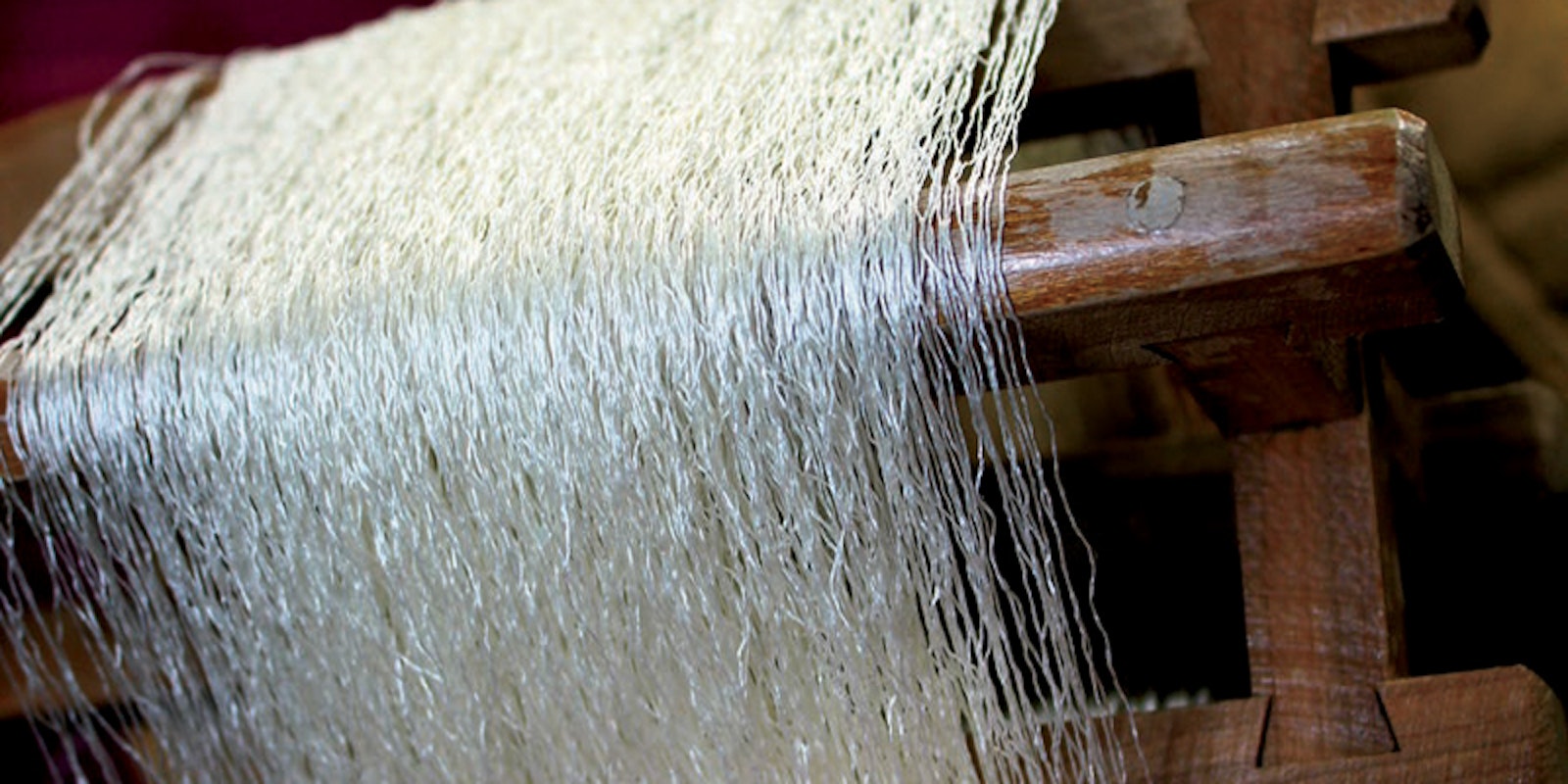
But the weaving of silk is not just a story of the Orient – in Lancashire, the next conty over to where I live, Macclesfield was known as silk town, and today, the Silk Museum is restoring the Jacquard looms that supplied high-end shops like Liberty of London with beautiful silk fabrics.

Royal Hera Silk Satin

Synthetic and Semi-Synthetic Fibres
Synthetic and Semi-synthetic fibres share the way in which they are made -produced by extruding polymer solutions (melt, wet, or dry spinning) through a spinneret, forming continuous filaments that are solidified, stretched, and often cut. Synthetic fibers (polyester, nylon, acrylic) are entirely petroleum-based, while semi-synthetics (viscose, Lyocell, acetate) use natural cellulose refined with chemicals. I, for one, had not realised that such a division existed – viscose sounds synthetic, certainly not one of the natural fabrics like cotton, silk and wool – but anything that contains cellulose, the building block of most plants, can be turned into something that can be extruded through a spinneret to make a continuous filament or fibre. I had wondered how bamboo, a notoriously tough wood, reinforced with silicon, could be turned into fabric whose softness people rave about – doing the research for this A to Z topic enlightened me!
Synthetic Fibres (fully artificial)
These are created by joining monomers into polymers (polymerisation), typically using fossil fuels, which raises the interesting question, that if we stopped using fossil “fuels” as fuels, would we continue to use them to make plastics? Some 4-8% of global oil production goes to make plastic but that has an environmental impact all its own since most plastics do not biodegrade. Some of them can be recycled, plastic bottles (PET) can be turned into new bottles but also into polyester fibre. In fact Polyester is the dominant synthetic fibre, known for durability and low cost.
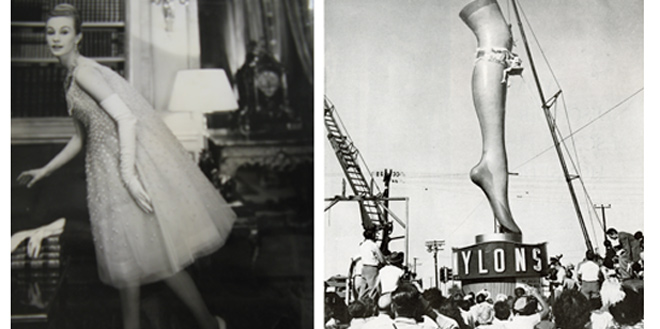
Nylon, known for its high strength and elasticity, was invented before Polyester by Wallace Carothers at DuPont in 1935, making its debut in toothbrush bristles and although some clothes were made from it (I had a pair of “indestructible” socks) it was found to low breathability, poor moisture absorption, and a tendency to trap odors and sweat, making it uncomfortable for extended wear. It is a non-biodegradable, petroleum-based synthetic that causes environmental issues, generates static electricity, and can irritate sensitive skin. It also melts under high heat. It is now used for all sorts of applications such as fishing line. The latter illustrates one of the beauties of spinerets – that you can extrude to all sorts of different diameters. There was one use of nylon though, that gave its name to the product, generically, for a while – stockings became known as “Nylons”.
Suffice it to say that women were wearing silk stockings. Unfortunately, they didn’t stretch, they were delicate and ripped easily, and they often required an extra garment, like a garter belt, to hold them up. DuPont astutely recognized the economic value of Nylon as a silk replacement and concentrated on manufacturing nylon stockings. Within three hours of their experimental debut, 4,000 pairs of nylon stockings sold out.
Because stockings weren’t the only thing made of silk. Military parachutes and rope were also made from the Japanese import. After the Pearl Harbor attack, the United States went to war against Japan and, suddenly, the production of nylon was diverted for military use.
It was used to make glider tow ropes, aircraft fuel tanks, flak jackets, shoelaces, mosquito netting, hammocks, and, yes, parachutes.Eventually, even the flag planted on the moon by Neil Armstrong would be made of nylon! – Nylon: the reason we won World War II — and started shaving our legs
The first practical, commercially viable polyester fibre (Terylene) was created in 1941 by British scientists, later becoming popular in the early 1950s. Terylene resists wrinkling yet holds creases put in during manufacturing and so is ideal for drip-dry clothes – although hailed as a boon, intially, terylene was increasingly derided as cheap and synthetic but is still used as a blend with natural fibres and adding some of its qualities to the mix.
Acrylic – is used as a wool substitute which serves the many people whose skin is irritated by wool. Made from synthetic polyacrylonitrile fibres, Acrylics offer a durable, affordable, and hypoallergenic alternative to wool, often used for blankets, clothing, and crafts. While warm and lightweight, acrylic lacks breathability, tends to pill, and poses environmental concerns due to microplastic shedding during washing.
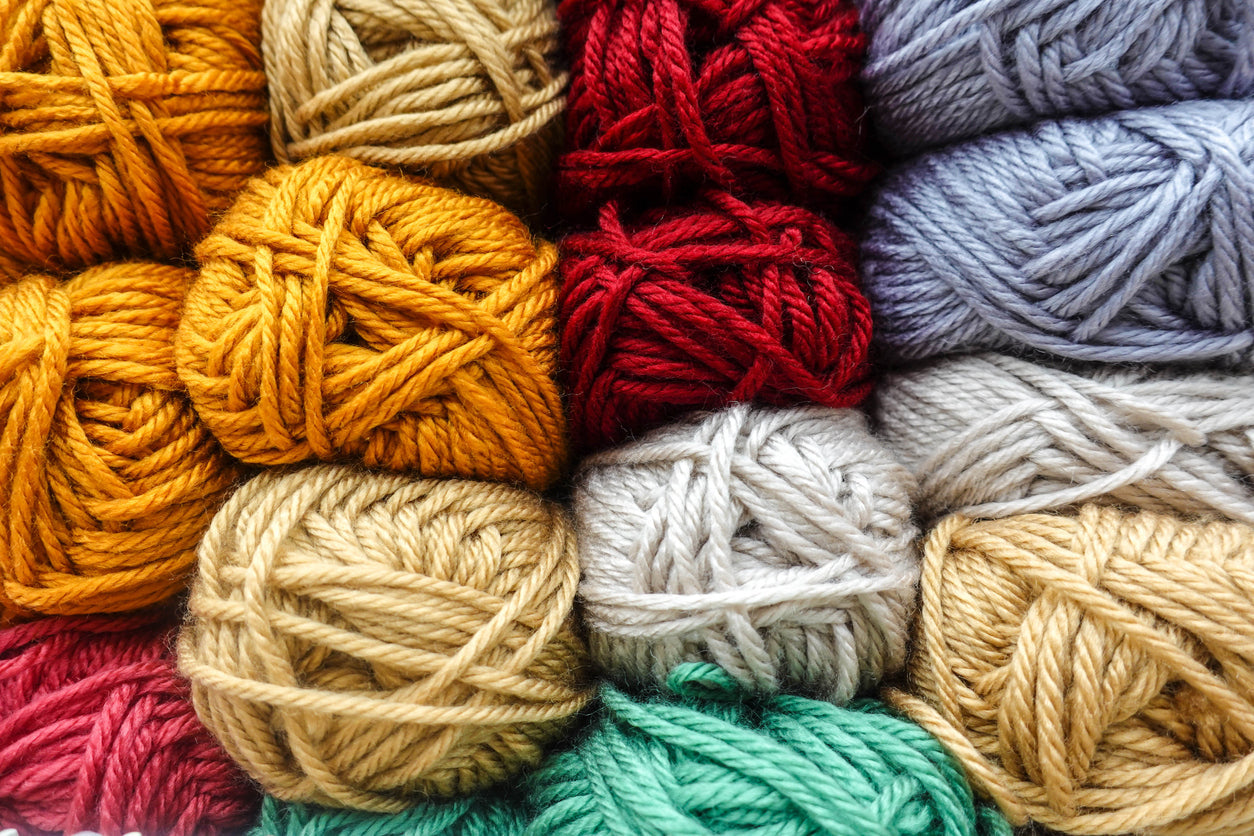
Polyester is a form of Polyolefin – a group of polymers constructed from an olefin monomer, such as ethylene or propylene. Researchers in England in the 1930’s, discovered that ethylene could polymerize into a high molecular weight resin when combined with oxygen and high pressure. Polyester fabric is in various clothing items, including socks, undergarments, shoes, jeans, athletic wear, hosiery and knitwear. Its waterproof properties also make it ideal for manufacturing wetsuits. Polycotton fabric is a lightweight material that is simply a blend of polyester and cotton. It is a combination of two popular fabrics. It is generally a cheaper alternative to cotton which comes in a variety of prints and colours with to its natural breathability and durability.
Ballistic Nylon – Thick, tough, nylon fabric with several uses. Ballistic nylon was developed by the DuPont corporation as a material for flak jackets for World War II airmen. It was called ballistic because, together with other components, it was intended to protect its wearers from flying debris and fragmentation from bullet and artillery-shell impacts.

Dyneema – Dyneema® fabric, often known as Dyneema Composite Fabric (DCF) or formerly Cuben Fiber, is an ultra-lightweight, high-performance material 15 times stronger than steel by weight, making it the premier choice for ultralight backpacks, tents, and high-performance sails. It is made by laminating UHMWPE fiber cross-plies between polyester films, ensuring maximum tensile strength, zero stretch, and complete waterproofing.
Spandex (Elastene, Lycra) – Synthetic fiber known for its exceptional elasticity. It is a polyether-polyurea copolymer that was invented in 1958 by chemist Joseph Shivers at DuPont. The name spandex, which is an anagram of the word “expands”. For clothing, spandex is usually mixed with cotton or polyester, and accounts for a small percentage of the final fabric, which therefore retains most of the look and feel of the other fibers.
Unlike many other synthetic fibers, spandex cannot be melt-processed because the polymer degrades upon melting. Spandex fibers are produced by several spinning technologies. Typically, a concentrated solution of the polymer is drawn through spinnerets at temperatures where the solvent evaporates

Silnylon – a portmanteau of “silicone” and “nylon”, is a synthetic fabric used mainly in lightweight outdoor gear. It is made by impregnating a thin woven nylon fabric with liquid silicone from both sides. This makes it strong for its weight, as the silicone substantially improves the tear strength. It is also highly waterproof, but not breathable. Many colours are available.
Sympatex – a type of fabric that is branded as waterproof but “breathable”, made or licensed by Sympatex Technologies GmbH a company founded in 1986.The fabric features a waterproof, windproof and breatheable membrane that is laminated to fabrics either on its inner surface or sandwiched between two fabric layers (often marketed as “3 layer laminate”). The Sympatex membrane is made of hydrophilic polyether-ester block copolymer, which is closed (i.e. it has no pores). Like its more common polyurethane equivalent, it can also be referred to as a monolithic membrane. No water can get in from the outside, but water vapour molecules are transported through the membrane from the inside to the outside by way of an absorption and evaporation process. This moisture transfer through the membrane is what is referred to as “breatheability.”
Kuralon – okay this is not for wearing but Kuralon, japan’s first synthetic fibre is a high‑strength polyvinyl alcohol (PVA) fibre engineered for demanding industrial applications requiring durability, chemical resistance, and excellent bonding properties.
Microfibre – a synthetic material, typically a blend of polyester and polyamide (nylon), consisting of ultra-fine threads less than 10 micrometers in diameter, or smaller than one denier. These microscopic, split fibres, thinner than human hair, provide immense surface area for superior absorbency (up to 7x their weight), cleaning power, and lint-free polishing.
Popularised by its use in cleaning products, microfibre has unparalleled softness, which has led to the rise of microfibre apparel and accessories. Microfibre is also highly durable, and it is both reasonably absorbent and water-repellant. Due to its impressive electrostatic qualities, microfibre also excels as a filtration mechanism, leading to a recent surge of interest in using this fabric as a protective face mask material.
Semi-Synthetics
The” semi” in semi-synthetics refers to the fact that the raw material for making these fibres is natural and sustainable – plants and trees containing cellulose. That sounds environmentally friendly, right? But wait – nothing is wholly straightforward – whilst plant-based is better than petrochemicals (providing they come from a sustainable source), some of the chemicals used in the manufacturing process are good for neither the environment nor the workers who make them – drat! Why is nothing simple? Take Bamboo fabric – it has very popular in recent years, lauded for its softness, many people swear by it. But let’s look more closely at it – there are two ways of making fabrics from bamboo, mechanical and chemical.
Mechanical production involves crushing the woody part of the plant and then applying natural enzymes to break the bamboo cell walls, creating a mushy mass. The natural fibers can then be mechanically combed out and spun into yarn. The fabric that results has a similar feel to linen. Very little bamboo material is produced this way since it’s labour intensive and expensive.1
The chemical method of making fabric from Bamboo shares much of the techniques of other semi-synthetics that are based on extracting cellulose from plant material which is known as the Viscose process. bamboo leaves and shoots are essentially cooked in strong chemical solvents such as sodium hydroxide and carbon disulfide . Once cooked, the resulting liquid is pushed through tiny holes (a spinnarette) directly into a chemical bath of sulfuric acid where it hardens into fine strands. After being washed and bleached these strands form rayon yarn which can be dyed and woven into a soft silky fabric correctly referred to as “rayon from bamboo”. Sodium Hydroxide (bleach), Carbon Disulfide and Sulphuric Acid – not great for the environment or the plant workers where it is made, hence the move to impose labelling of bamboo fabric as “rayon from bamboo” which places the product back into the world of semi-synthetics rather than a miraculously, environmentally-friendly, fairy tale fabric… There are also certification schemes to accredit factories that take care of the environment and their workers…1

Other Semi-synthetics include Tencel3 or Lyocell, made from quick-growing Eucalyptus trees – this is a very absorbent fabric – 50% more than cotton.
Modal3 fabrics are also produced in a similar manner to viscose and Tencel Lyocell fabrics, with the extraction of cellulose fibres – in this case from beech trees – has agood drape.
Ecovero Viscose3 derived from sustainable wood and pulp, coming from certified and controlled sources. These viscose fabrics are free of harmful substances and the manufacturing cycle has been optimised to drastically reduce the environmental impact compared to traditional viscose. Emissions and water impact are up to 50% lower using these production techniques.
Even Milk can be turned into fibre!From the animal protein family, it is processed when the milk fibre dries and is spun into yarns. It is a very soft and comfortable fibre with anti-bacterial and anti-allergenic properties. Biodegradable

How Synthetics and Semi-synthetics are made…
There are four main methods:-
Melt Spinning: Polymers (e.g., polyester, nylon) are melted and solidified in air.
Wet Spinning: Raw materials dissolved in chemicals are extruded into a chemical bath to solidify (common for acrylic, viscose).
Dry Spinning: Polymers dissolved in solvent are extruded into hot gas, where the solvent evaporates (common for acetate).
Gel Spinning: A combination of wet/dry, used for high-strength fibres.
Post-Spinning Treatment: Fibres are drawn out (stretched) to align molecules and increase strength.
“S” Fabrics
There are a lot of “S” fabrics and as I have not been able to find any for “X” – always a difficult letter in the A to Z, so I am going to devote that post to one of the greats – Silk, which surely deserves a post to itself…
Saga Nishiki – a form of brocading from Saga Prefecture, Japan. It is a unique form of brocading in that Japanese paper is used as the warp. This paper is coated in either gold, silver or lacquer. The weft is a silk thread which is dyed. As the technique is time-consuming, only several inches are produced each day.
Samite – a luxurious and heavy silk fabric worn in the Middle Ages, of a twill-type weave, often including gold or silver thread.

Sannas (Sannoes, Sanna, Sannah, Sannoe, Sanoe) – a cotton cloth from the 17th century. This fabric was plain weave cotton, which was produced in the Indian state of Orissa. After 1640, huge quantities of Sannas were exported to Europe. Sannas, Cassas, and Bafta were among the Indian textiles exported for shirting and sheeting uses. Sanna was mostly white or blue in colour.
Sarsnet (or sassenet) – a thin silk, often for linings and underdresses
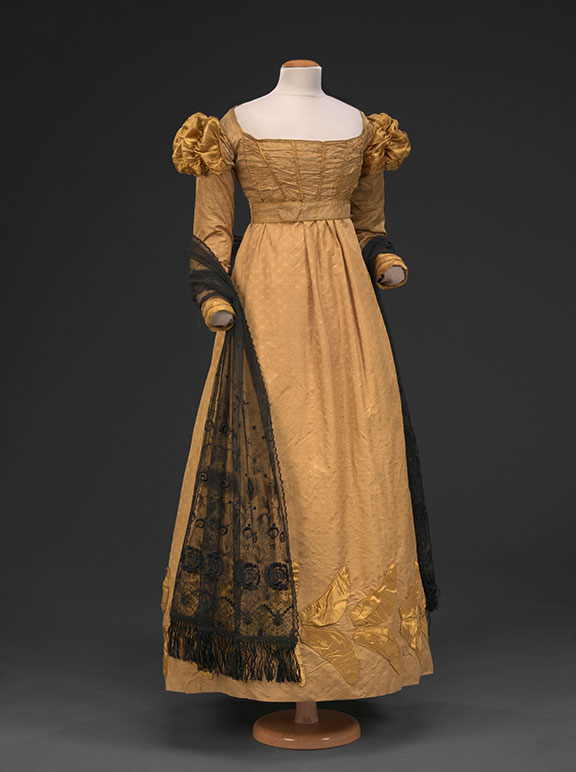
Sateen – a fabric made using a satin weave structure but with spun yarn instead of filament yarn.[1] It is a cotton or other non-silk fabric that has the characteristics of silk satin but is less expensive. The dense weave, sheen, and softer feel of sateen are produced through the satin weave structure (See A – All You Need to Know About Weaving). This weave structure is prone to fraying and is less durable than plain weave fabrics. Some sateen is mercerised, a chemical process that makes fibres softer, smoother, water-resistant, and more resilient.
Satin back Crepe – Crepe back satin is a versatile double-faced fabric featuring a lustrous satin side and a textured crepe fabric side. This dual nature gives designers plenty of options. You can use the shiny side for a formal, polished look or flip to the crepe side for a matte finish with subtle texture.
Crepe back satin is generally heavier than charmeuse. It offers better structure and slightly less fluid drape, making it easier to sew for tailored designs that need a bit of body without being stiff. other and can be light or heavyweight
Satinised Chiffon – Woven fabric with a satin finish. It is shiny on one side, matte on the other and very lightweight.
Saye – another “historical” fabric – a woollen cloth woven in the west and south of England in and around the 15th and 16th centuries.
Scrim – a very light textile made from fiber based materials, such as yarn. Since scrim is lightweight and translucent (allowing light to pass through), it is quite often used for making curtains. It is also used for bookbinding and upholstery. Scrims have seen extensive use in theater.
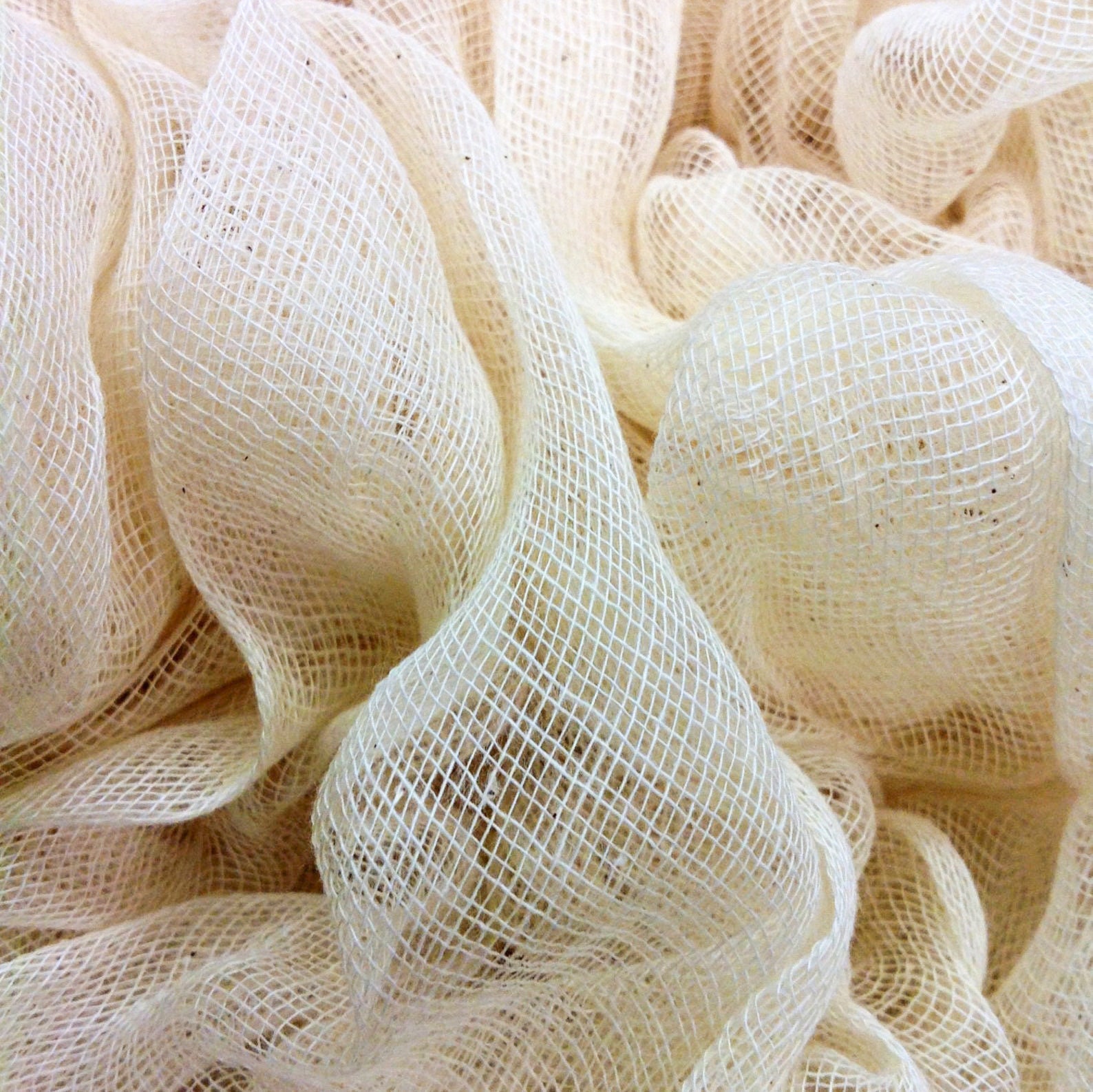
Seersucker – Seersucker, hickory stripe or railroad stripe is a thin, puckered, usually cotton fabric, commonly but not necessarily striped or chequered, used to make clothing for hot weather.

Serge – a type of twill fabric that has diagonal lines or ridges on both inner and outer surfaces via a two-up, two-down weave. The worsted variety is used in making military uniforms, suits, greatcoats, and trench coats. Its counterpart, silk serge, is used for linings. French serge is a softer, finer variety. The word is also used for a high-quality woven woolen fabric.
Shagreen – Shagreen is a luxurious, textured leather made from shark or stingray skin, historically prized for its durability and decorative, pebble-like surface. Originating in the East for weaponry, it became a staple of European luxury, particularly in the 18th-century French court and the 1920s Art Deco movement, often called galuchat.
Sharkskin – not to be confused with Shagreen (above) – Sharkskin, or grisaille (from French gris, meaning grey) describes a specific woven or warp-knitted fabric with a distinctive sheen. Sharkskin is a twill weave fabric created using acetate, rayon, worsted wool, and synthetic fibers. The arrangement of darker and brighter threads in a twill weave creates a subtle pattern of lines that run across the fabric diagonally and a two tone, lustrous appearance. Primarily a suiting material, the fabric is sometimes seen in light jackets and non-fashion items such as curtains, tablecloths, and as a liner in diving suits and wetsuits.
Shot Fabric – Shot Silk – Shot silk (also called changeant, changeable silk, changeable taffeta, cross-color, changeable fabric, or “dhoop chaon” (“sunshine shade”)[3]) is a fabric which is made up of silk woven from warp and weft yarns of two or more colours producing an iridescent appearance. A “shot” is a single throw of the bobbin that carries the weft thread through the warp,[4] and shot silk colours can be described as “[warp colour] shot with [weft colour].” The weaving technique can also be applied to other fibres, such as cotton, linen, and synthetics.
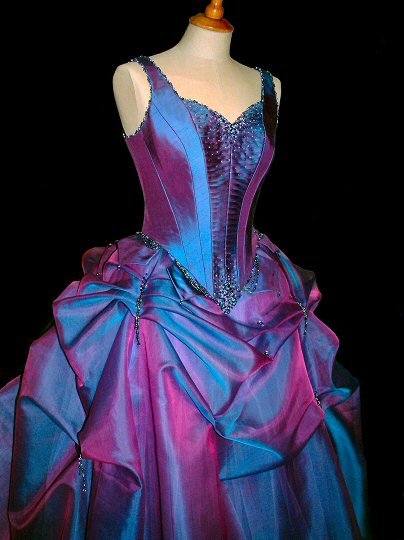
Silnylon – a portmanteau of “silicone” and “nylon”, is a synthetic fabric used mainly in lightweight outdoor gear. It is made by impregnating a thin woven nylon fabric with liquid silicone from both sides.[1] This makes it strong for its weight, as the silicone substantially improves the tear strength. It is also highly waterproof, but not breathable.[2] Many colours are available.
Songket – Songket or sungkit is a tenun fabric that belongs to the brocade family of textiles of Brunei, Indonesia, and Malaysia. It is hand-woven in silk or cotton, and intricately patterned with gold or silver threads. The metallic threads stand out against the background cloth to create a shimmering effect. In the weaving process the metallic threads are inserted in between the silk or cotton weft (latitudinal) threads in a technique called supplementary weft weaving technique.
Suede – a type of leather with a fuzzy, napped finish, commonly used for jackets, shoes, fabrics, purses, furniture, and other items. Suede is made from the underside of the animal skin, which is softer and more pliable than the outer skin layer, though not as durable.
Swanskin Cloth – a close woven twill-weave flannel cloth for work clothes. It was used by fishermen and laborers. It is employed also as Ironing cloth to support on ironing tables. production taking place in cottage industries in the surrounding areas. In the 18th century, the towns and Blackmore Vale area produced a coarse white woollen cloth known as ‘swanskin,’ that was used by Newfoundland fishers and for British Army and Navy uniforms. Local watermills became fulling mills for cleaning the raw wool, and teasels were used for napping the cloth. Some sources (Fairchild’s dictionary of textiles) define “swanskin” as a generic term for soft, napped fabrics of the time period.
Swiss Voile – Very soft sheer fabric made from fine cotton with a small cutback spot.
References
- Bamboozled? Getting the facts on Bamboo Textiles
- The fibres are extracted using a unique closed loop system which recovers and reuses the solvents used, minimising the environmental impact of production when compared to traditional viscose production methods.
- The Essential Guide to Semi-Synthetic Fabrics
I compiled a list of as many fabrics, fibres and related items as possible (278 items), from several sources, the most comprehensive of which was Wikipedia. Since there are only 26 letters in the alphabet, I could not write in detail about every instance so I have taken snippets of text for the brief descriptions and linked to the source in the name of the item. I am indebted to all the contributors to those Wikipedia pages and the depth of knowledge to be found there…