“Choose any subject you would like to write about…” that is the object of the A to Z Challenge, and thinking of things that interest me is not a problem for me, but choosing a subject not only to write about, but to write in a way that other people will catch my interest – that is the real challenge! This year I turn to a subject, close to our skin if not our hearts, and yet, again, I wonder if this subject will get some people past the title on the list – dismissed as niche? For this year, my theme is What We Wear – Fabrics and Fibres
Why, when our Bonobo chimp-like ancestors were forced by climate change to emerge from the shrinking forests and live out in the open, did they become less hirsute such that as we spread to almost all parts of the world, there were places we could only survive by clothing ourselves in the fur of other animals. In warmer places, we had used other things to fashion clothes out of, such as bark, and possibly even the apocryphal fig-leaves! When agriculture enabled us to produce food more efficiently, we had the time to develop new skills like spinning and weaving, but we still use leather and fur to this day, even if, for ethical or economic reasons, we prefer faux-leather and faux-fur. Of course, most leather is also a byproduct of the meat industry (just as much wool is a byproduct of rearing sheep for meat rather than wool) and until true acceptance of the reality of our current climate change forces us to eat less meat, we will continue to produce leather…
Leather
I am not going to lift the entire and very excellent Wikipedia article on making leather, but suffice it to say that there are three main stages – Preparatory (10 possible sub-stages), Tanning, and Crusting with an optional stage of Surface Coating. The reason all this is necessary is because without it, animal skin would be stiff when dried and once wetted again, would resume rotting. So elements of the skin are removed, acidity levels ar manipulated at several points in the process and dyeing and surface treating are used to make the leather we use for shoes, handbags and clothes.
Non-woven Fabric
Nonwoven fabric or non-woven fabric is a fabric-like material made from staple fibre (short) and long fibres (continuous long), bonded together by chemical, mechanical, heat or solvent treatment. The term is used in the textile manufacturing industry to denote fabrics, such as felt, which are neither woven nor knitted.[1] Some non-woven materials lack sufficient strength unless densified or reinforced by a backing. Wikipedia

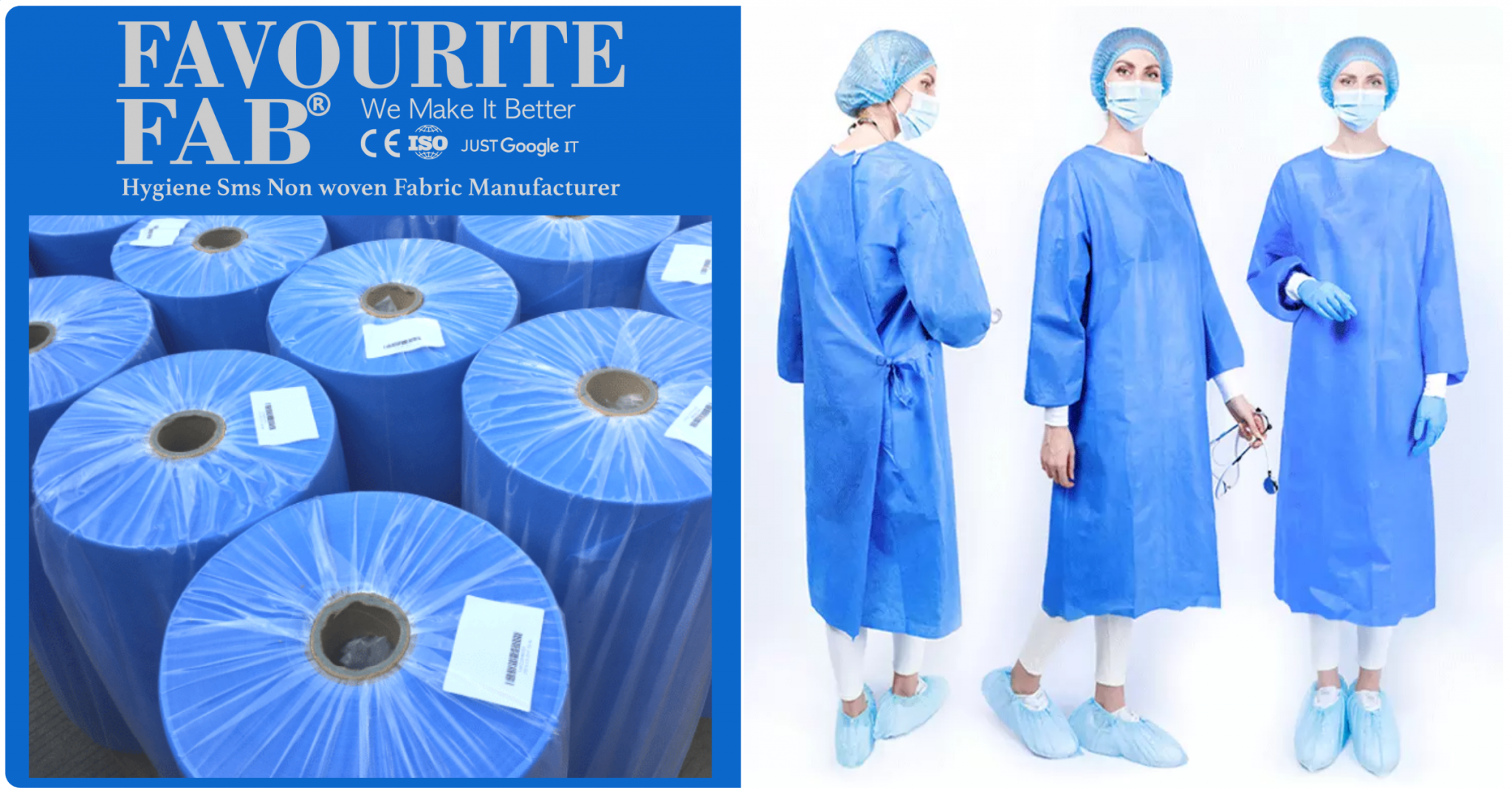

This category of fabrics includes a number of production processes but often, some form of felting (mechanical entanglement of fibres), is followed by heat-treating to melt the “felt” into one cohesive fabric, possibly with some additional filler materials introduced into the felt first. You may not have heard the term non-woven but you are likely using any number of them every day! Check out the links in the picture captions for more…
Felt
Felt from wool is one of the oldest known textiles. Excavations at Çatal Hüyük in Anatolia have revealed possible evidence of felting about 6000 BCE; more definitely, felt hats found in the Mongolian Autonomous Region of China date to c. 1800 BCE. – Wikipedia – Felt
Although Felt can be made from both natural and artificial fibres, natural fibre felt has special properties, it is “fire-retardant and self-extinguishing; it dampens vibration and absorbs sound; and it can hold large amounts of fluid without feeling wet…” and for one of the oldest fabrics, it is still produced for many commercial purposes todat, but is also hugely popular in crafting circles where both matted felting and needle felting are carried out. Both of these processes have their place in industrial felt production too. Here is a great piece of jargon from a description of that industrial felting process – “Fibers are first spun, cut to a few centimeters length, and put into bales. The staple fibers are then blended, “opened” in a multistep process, dispersed on a conveyor belt, and spread in a uniform web by a wetlaid, airlaid, or carding/crosslapping process.”

Felt has been one of the principal materials for Millinery – hat-making due to its ability to stretch into 3-D shapes and then retain that shape…

Paper
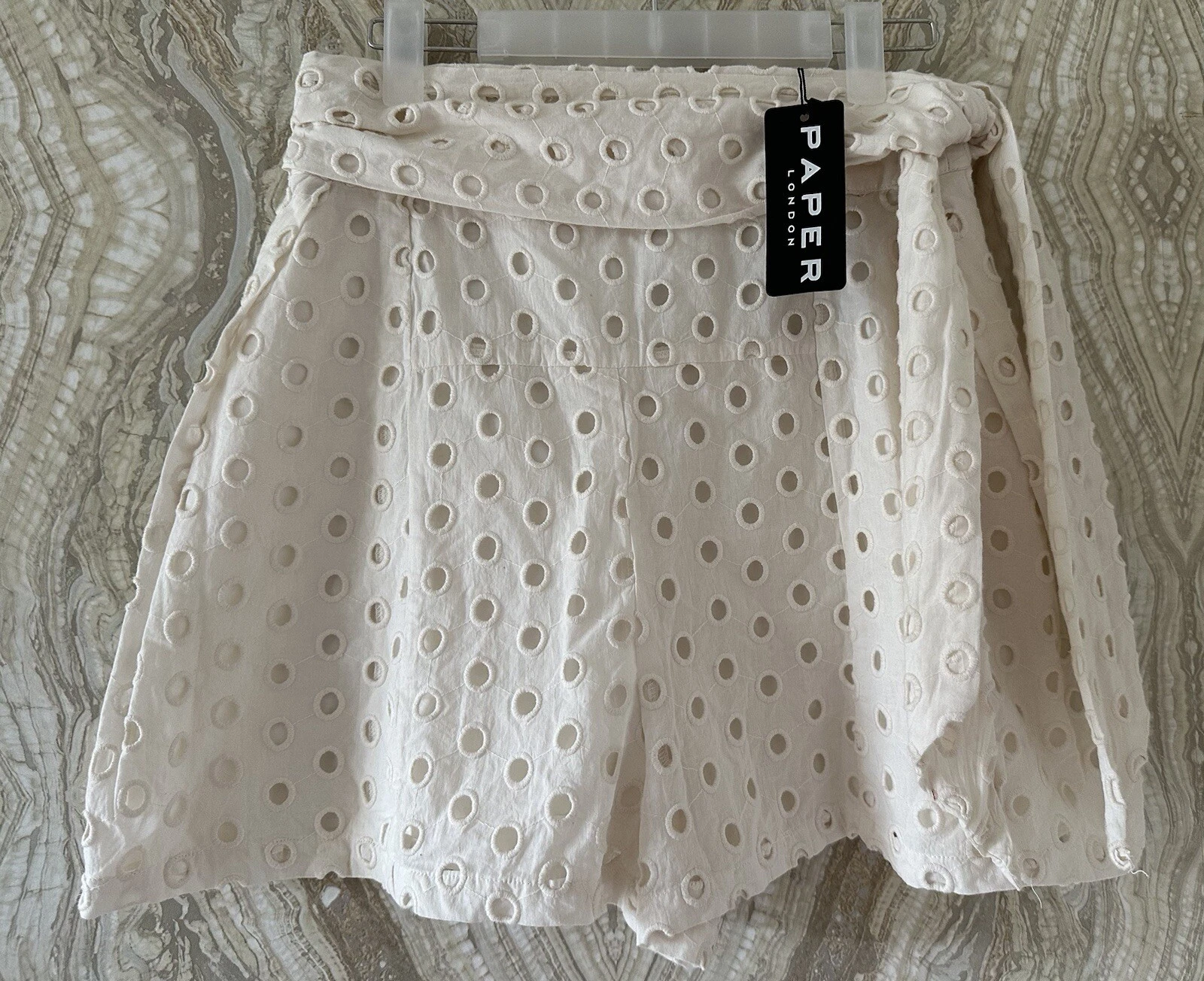
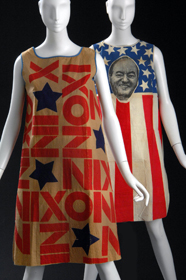
Making paper is very similar to felt-making – the fibres – and many materials can be used, including recycled textiles – are dispersed in a water bath and then lifted out in a dekle – a kind of sieve that is agitated to make the fibres “fel” together as the water drains out. The resulting layer is pressed and treated in various ways to make it less porous and more durable. This also makes the paper stiff, but take a brown paper bag, screw it up, carefully smooth it out and repeat several times and you will have a flexible fabric. Add some tougher long fibres into the paper mix and you have a material that can make clothing, albeit of limited lifespan…
Latex
If the fear with paper clothes might be that of them tearing or dissolving in a rain-shower, then the fear (however unfounded) around wearing latex clothing, must surely be that the item might pop like a balloon, shrivelling away to nothing in what would surely be the ultimate fashion accident!
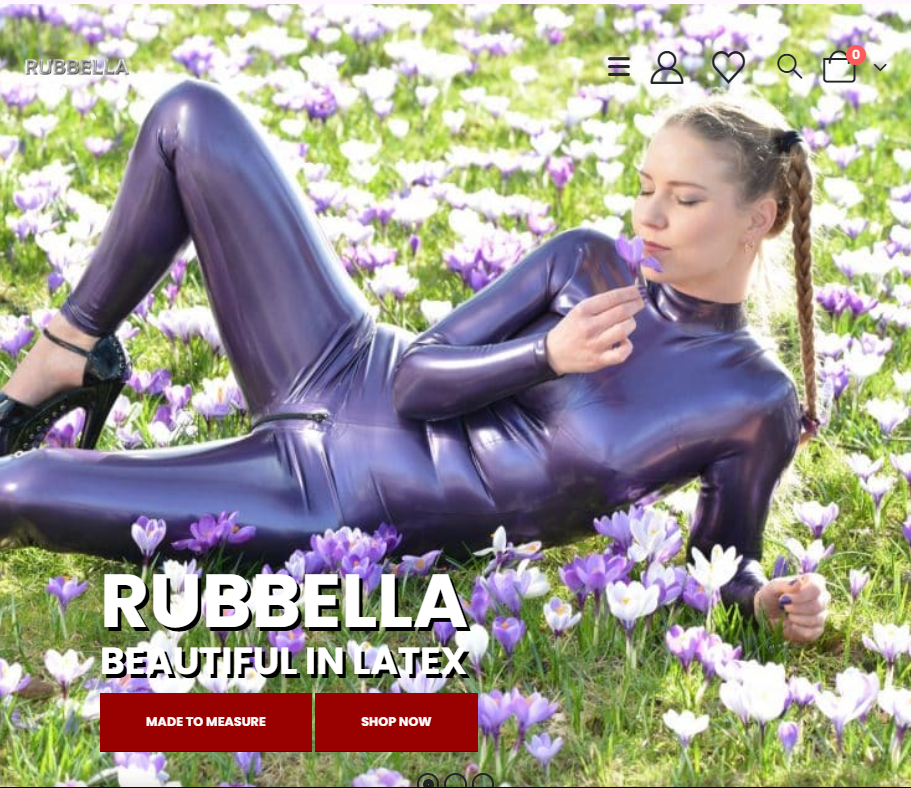
Latex rubber is used in the manufacture of many types of clothing. It has traditionally been used to make protective clothing, including gas masks and Wellington boots. Mackintoshes have traditionally been made from rubberized cloth. However, rubber has now generally been replaced in these applications by synthetic polymers.
Latex rubber as a clothing material is common in fetish fashion and among BDSM practitioners, and is often worn at fetish clubs. It is sometimes also used by couturiers for its unusual appearance. Several magazines are dedicated to its use. Latex clothing tends to be skin-tight, but can also be loose-fitting. – Wikipedia
Moving swiftly on…
“N” Fabrics
Nankeen – (also called Nankeen cloth) is a kind of pale yellowish cloth originally made in Nanjing, China from a yellow variety of cotton, but subsequently manufactured from ordinary cotton that is then dyed.
The term blue nankeen describes hand-printed fabric of artistic refinement and primitive simplicity, which originated on the Silk Road over three thousand years ago.

Noil – refers to the short fibres that are removed during the combing process in spinning. These fibres are often then used for other purposes.
Fibres are chosen for their length and evenness in specific spinning techniques, such as worsted.[1] The short noil fibres are left over from the combing of wool or spinning silk. We already encountered one form of Noil in Matka, made from damaged silk cocoons resulting in a slubby finished silk. Noil is similar in the fabrics spun and then woven from it. Noil fibres can also be added to other fibre blends.
I compiled a list of as many fabrics, fibres and related items as possible (278 items which I will make available at the end of the A to Z), from several sources, the most comprehensive of which was Wikipedia. Since there are only 26 letters in the alphabet, I could not write in detail about every instance so I have taken snippets of text for the brief descriptions and linked to the source in the name of the item. I am indebted to all the contributors to those Wikipedia pages and the depth of knowledge to be found there…