“Choose any subject you would like to write about…” that is the object of the A to Z Challenge, and thinking of things that interest me is not a problem for me, but choosing a subject not only to write about, but to write in a way that other people will catch my interest – that is the real challenge! This year I turn to a subject, close to our skin if not our hearts, and yet, again, I wonder if this subject will get some people past the title on the list – dismissed as niche? For this year, my theme is What We Wear – Fabrics and Fibres
Gauze
Gauze – The transparency of gauze, lends it, on the one hand to wedding veils and on the other, to wound dressings where a fabric that allows breathing without the fibres shifting. This is achieved by twisting the Weft threads after each timr they cross the Warps (as shown below) this locks the position of warp and weft in place and keeps the fabric stable but with very open structure.
The weave structure of Gauze showing the twists that keep the threads in place and the holes open.
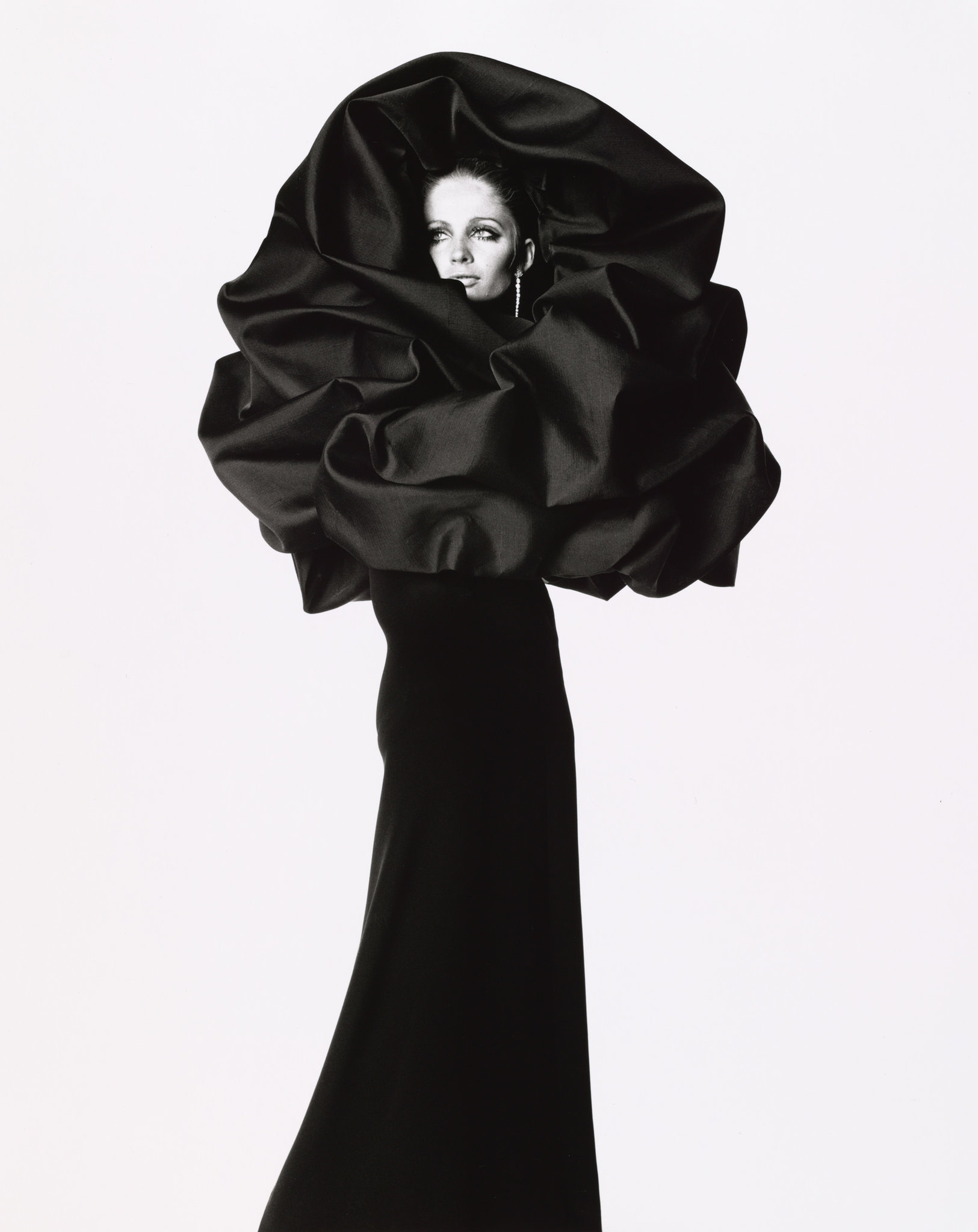
Gazar – If gauze is an old and functional fabric, even in the fashion sense, then Gazar is the polar opposite – a 20th Century fabric brought into being to suit the very particular needs of an haute Couture fashion designer in order to create some iconic but hardly practical designs.
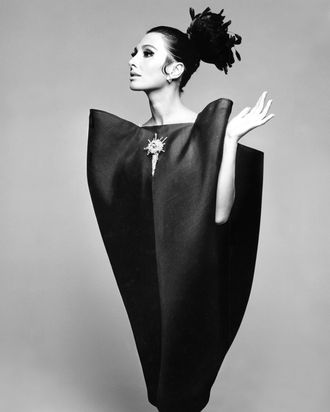
Gazar is a silk or wool plain weave fabric made with high-twist double yarns woven as one. Gazar has a crisp hand and a smooth texture. Balenciaga wanted a fabric he could sculpt and so he turned to Mr. Zumsteg, director of the Abraham company and a great collector of paintings, rightly thinking that he would understand the subtlety of his request. Together, they came up with an organza like fabric (another member of the guaxe family), stiff, unruly except in the hands of skilled seamstresses and it formed the basis of Balenciaga’s collections from 1960-68.
Of course, the often impractical, immodest, exorbitantly expensive, wonderful creations of haute couture are said to filter downwards to influence High Street design and occasionally, fabrics from the world of popular fashion, are taken up by Haute Couture and one such staple, is Gingham…
Gingham
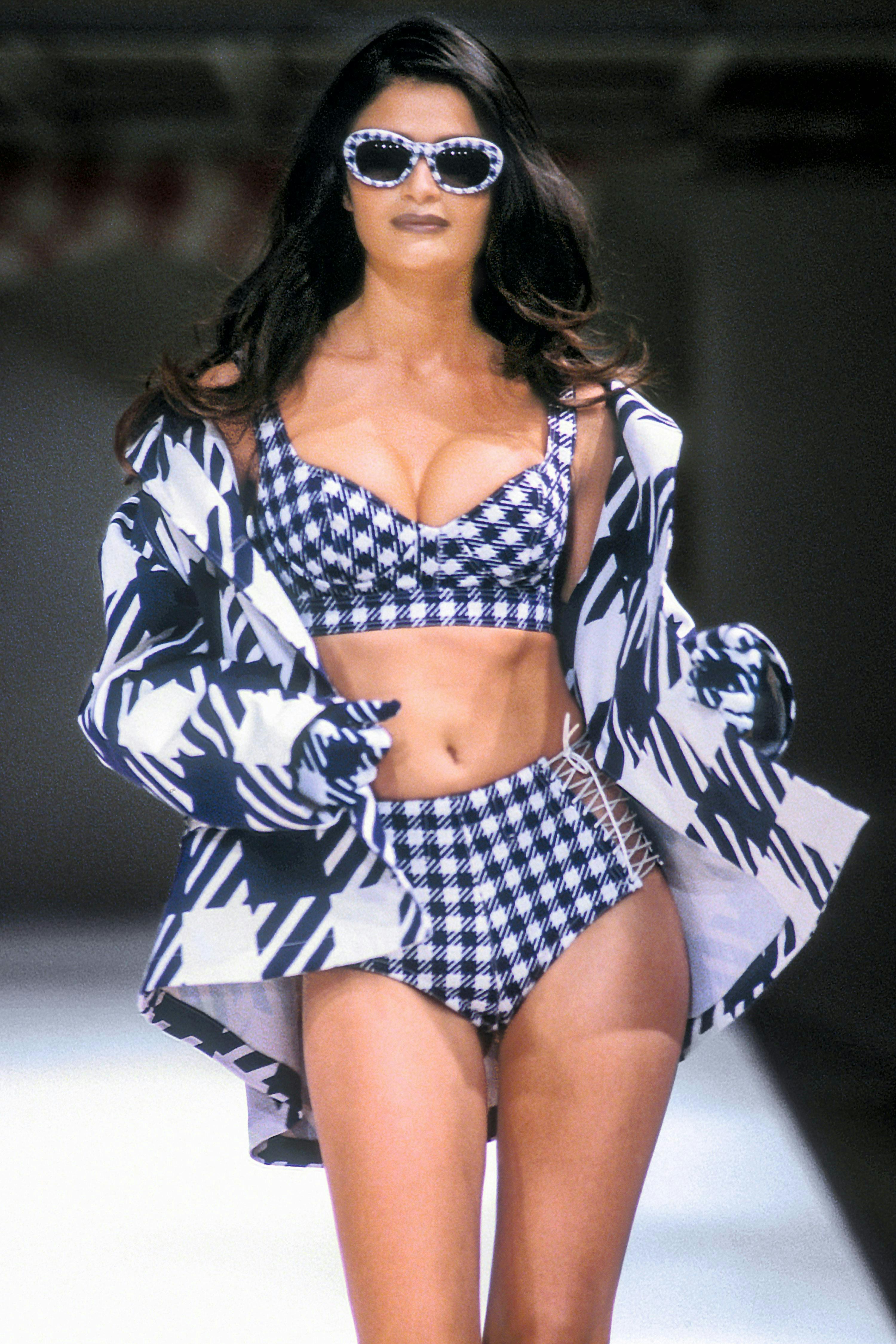
Around since the 17th century, and possibly named for the French town of Guingamp, gingham was originally striped but evolved into the ubiquitous checked or tartan (plaid) pattern which is simple to achieve on an industrial loom. Indeed, by the 19th century, gingham was a staple product of Lancashire cotton mills.
In fact, Gingham was introduced to France from Malaysia, where it started being produced in Vichy, France, under the reign of Napoleon Bonaparte. In Spain the pattern is known as estampado vichy or cuadro vichy. With the industrial production of gingham, it became popular around the world and retained a special affection in the USA – so much so that on the one hand, the gingham shirt invited mockery, whilst on the other, haute couture rediscovers it periodically.
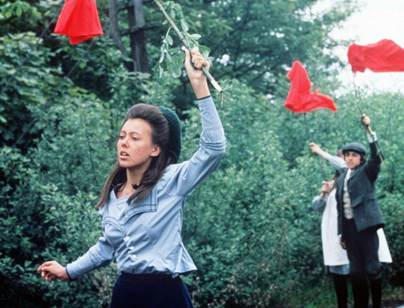
Rei Kawakubo for her Comme des Garçons Spring/Summer 1997 collection. Known as the “Lumps and Bumps” collection…
Other “G” fabrics:
Georgette – (from crêpe Georgette) is a sheer, lightweight, dull-finished crêpe fabric named after the early 20th century French dressmaker Georgette de la Plante. Originally made from silk, Georgette is made with highly twisted yarns. Its characteristic crinkly surface is created by alternating S- and Z-twist yarns in both warp and weft.
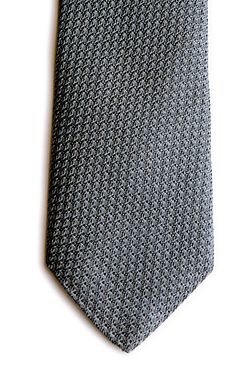
Grenadine– is a weave characterised by its light, open, gauze-like feel, and is produced on jacquard looms. Originally produced in Italy and worn as a black silk lace in France in the eighteenth century, it is now woven with silk for use in ties.
For the most part, ties made from grenadine silk are solid in color with the visual interest being the unique weave.
Grosgrain – a type of fabric or ribbon defined by the fact that its weft is heavier than its warp, creating prominent transverse ribs.
I compiled a list of as fabrics, fibres and related items as possible (278 items), from several sources, the most comprehensive of which was Wikipedia. Since there are only 26 letters in the alphabet, I could not write in detail about every instance so I have taken snippets of text for the brief descriptions and linked to the source in the name of the item. I am indebted to all the contributors to those Wikipedia pages and the depth of knowledge to be found there…
“Choose any subject you would like to write about…” that is the object of the A to Z Challenge, and thinking of things that interest me is not a problem for me, but choosing a subject not only to write about, but to write in a way that other people will catch my interest – that is the real challenge! This year I turn to a subject, close to our skin if not our hearts, and yet, again, I wonder if this subject will get some people past the title on the list – dismissed as niche? For this year, my theme is What We Wear – Fabrics and Fibres
Before there were fabrics as we think of them today, that is, woven or knitted, there were skins, fur and leather and for fabrics to come about, the concept of “fibres” which could be combined to make a yarn – the basis of all fabrics, had to be conceived. The sources of fibres fell into two groups – animal and plant-based. One can imagine how plants such as cotton,simply cried out to find some way of making their fluffy bolls into some form that would allow them to be combined. The answer was of course, spinning… We all know about spinning wheels from fairy tales like Rapunzel, but before those quite elaborate inventions, there were simpler ways of spinning fibres – the spindle or drop spindle. What all spinning devices do, is to allow you take a pinch of, say, wool, and as you draw it out into a thinner configuration, the device spins the wool into a yarn, which causes the fibre to bind together into a yarn. The video below shows how to use a drop-spindle and the one after that shows some of the ways the process was elaborated on. As we said in the first post on Weaving – Stone Age tooolmakers grasped the significance of twisting, which increases strength by diverting part of any tensile strength into lateral pressure”.1 The video below shows how to use the simplest and oldest form of spinning tool…
Next is a video which takes us through some of the more elaborate forms os hand-spinning tools, up to and including the spinning wheel.
These simple methods could work with animal or plant fibres and once a thin yarn was produced, then two or more thin yarns could be further twisted, or plied, together – hence 2-ply, 3-ply etc.
What happened after that, was simply increased mechanisation and in 1764, James Hargreaves of Lancashire, England, invented the Spinning Jenny, which could spin multiple yarns simultaneously which took the production of yarn from cottage industry where one yarn at a time was produced by hand, to a mill based industry.
In the 20th Century, synthetic and semi-synthetic fibres were added to the possibilities, either by combining fibres in a blend with the natural ones to form blended yarns with improved performance characteristics, or used entirely on their own – I will cover them under “S”, but all I will say for now, is that synthetic fibres need not necessarily be spun since they can emerge as a coherent yarn in the first place and that due to the ability to extrude synthetic fibres at very consistent sizes, they can be used to relace or augment natural fibres from cotton to silk….
So what are the fibres that have clothed us for centuries? Well, on the animal side, the hairs from bovines, camels, goats (Angora, Mohair) horse-hair, rabbit, reindeer and of course sheep (wool) – all of which offer fibres straight from the hide, and, by a much more convoluted process, Silk, which is made from the unwound cocoons of the silk worm. Sinews and gut were also early sources of fibre. Even casein (milk protein) can be treated and spun into fibres.
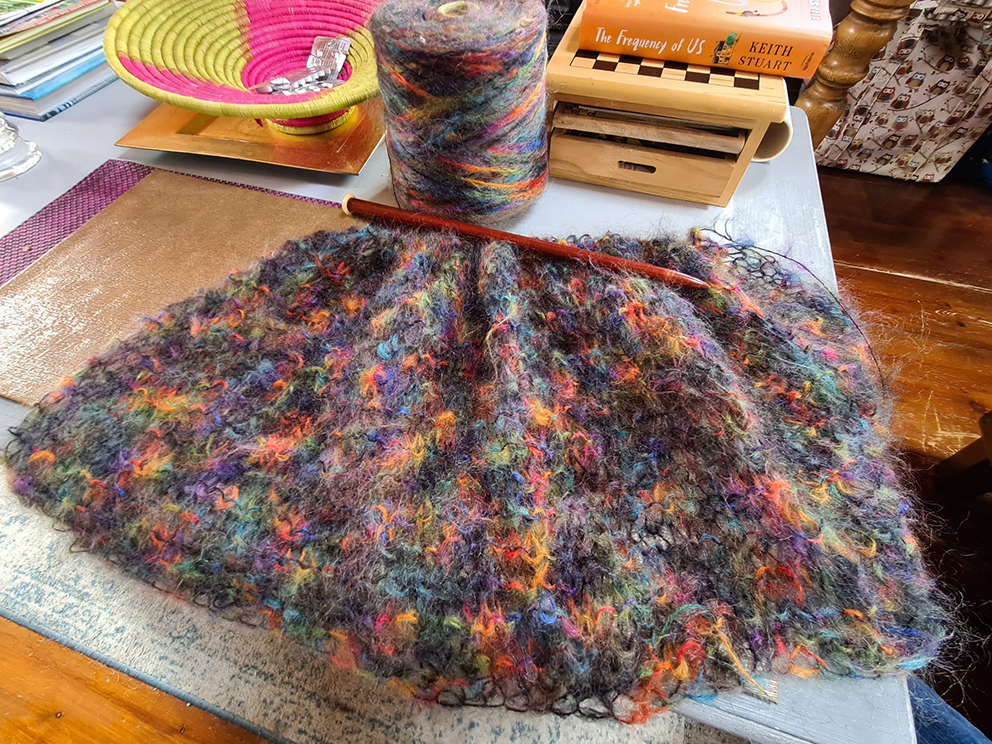
A project of mine – knitted on large needles from Angora Wool – a very fluffy yarn…
On the plant side, nettles were an early source of fibre for string and rope whilst tree bark – bast, made early non-woven fabrics. Cotton, linen (flax), Jute, Sisal, Palm (Raffia) and Tow (coarse fibres extracted during the preparation of other fibres like linen) were the classic fibres, but today, bamboo, eucalyptus, soybean, aloe vera and even the dried leather from kombucha have been added to the repertoire! Some of these, are sources of cellulose and form the source material of the “semi-synthetics” which we will come to under “S”.
Fabrics beginning with F:
Faille – is a structured fabric characterised by very fine ribs, it is usually made from silk.
Felt– felting is a method of producing fabric without weaving by matting, condensing and pressing fibres. It allows fabric to be shaped directly into 3-dimensional shapes such as hats. Although initially produced from natural fibres, felting is a technique that works with almost any kind of fibre. It is fire-retardant and self-extinguishing; it dampens vibration and absorbs sound; and it can hold large amounts of fluid without feeling wet.
Fibre Glass – Glass Re-enforced Plastic (GRP) begins with a matted fabric composed of fine glass fibres which are welded together with a plastic resin to make such things as sailing boats.
Fishnet – is a machine knitted fabric with a diamond shaped hole pattern and has become a staple of hosiery and especially beloved as part of punk fashion.
Flannel (and Flannelette) – is a soft woven fabric of varying fineness. Flannel was originally made from carded wool or worsted yarn, but is now often made from either wool, cotton, or synthetic fibre. Flannel is commonly used to make tartan clothing, blankets, bed sheets, sleepwear, and several other uses.
Fustian – Fustian means thick cotton cloth – an old fabric, it ranges from straightforward twilled fabric such as denim, to cut textiles that are analogous to velvet and have names such as velveteen, moleskin. In the first fustian fabric, which dates back to the medieval ages, cotton was used for the weft, and linen was used for the warp. It would appear that the phrase quickly lost some of its distinctiveness and eventually came to be used to designate a coarse cloth that was made of wool and linen.
Fustians such as Corduroy, that have added long fibres as well as Faux Furs, require special looms that incorporate the additional fibres which after weaving in, are cut to produce the ridges in the corduroy.
Corduroy: This modern diagram shows the warp (3) and the long (red-4) and short (green-5) weft threads; traditionally the knife (1) and the guide (2) are attached and the cutting motion is upwards.
World Textiles by Mary Schoeser – A Concise History, Thames & Hudson world of art 2003 pp. 10
I compiled a list of as fabrics, fibres and related items as possible (278 items), from several sources, the most comprehensive of which was Wikipedia. Since there are only 26 letters in the alphabet, I could not write in detail about every instance so I have taken snippets of text for the brief descriptions and linked to the source in the name of the item. I am indebted to all the contributors to those Wikipedia pages and the depth of knowledge to be found there…
“Choose any subject you would like to write about…” that is the object of the A to Z Challenge, and thinking of things that interest me is not a problem for me, but choosing a subject not only to write about, but to write in a way that other people will catch my interest – that is the real challenge! This year I turn to a subject, close to our skin if not our hearts, and yet, again, I wonder if this subject will get some people past the title on the list – dismissed as niche? For this year, my theme is What We Wear – Fabrics and Fibres
Almost as soon as the art of weaving or knitting fabrics was mastered, then the possibilities of creating decorative effects with the craft, blossomed. Mary Schoeser in her World Textiles – A Concise History1, says of the period between 3000BC and 400BC, that although normally categorised historically as the Bronze and Iron Ages, they might equally be termed the Dye and Loom Age. Whilst it is true that iron shears were necessary to shear livestock for fibres to make fabric, the technological and chemical developments are at least as impressive and important as those in Metallurgy.
Dyeing is the simplest of ways to decorate a fabric and if the fibres/yarns are dyed first, before weaving, then the second way of producing decorative effects becomes possible by using different coloured yarns in the same piece of cloth – think stripes, plaid. Tartan not to mention fabrics that use different colours for warp and weft and that is before you use the lifting of some selective warps to give a design. There is alternating stitch patterns in knitting or weave types in weaving, introducing thicker threads – the variety of ingenuity is incredible!
Beyond dyeing, there are ways of embellishing fabrics such as embroidery, adding in beads, using a fabric as a base for some other technique – lacemaking, needlepoint tapestry, hooking or rag-rugging, but let’s start with the advances in chemistry brought about by dyeing.
There are three types of Dye which are each suitable to be applied to different types of fibre using different chemical methods:-
Reactive Dyes: Primarily used for cellulose (plant derived) fibres such as cotton, linen and semi-synthetics like rayon, where the dyes form strong covalent bonds with fibre hydroxyl groups (-OH) resulting in high, wet, fastness of colour.
Direct/Acid dyes:- Utilise hydrogen bonding and Van der Waals forces, to attach to proteins (animal derived) – amino acid groups attract dyes through ionic interactions.
Disperse Dyes:- Non-water-soluble dyes used for hydrophobic synthetic fibres like polyester, dyes which are absorbed as a solid solution under high heat and pressure.
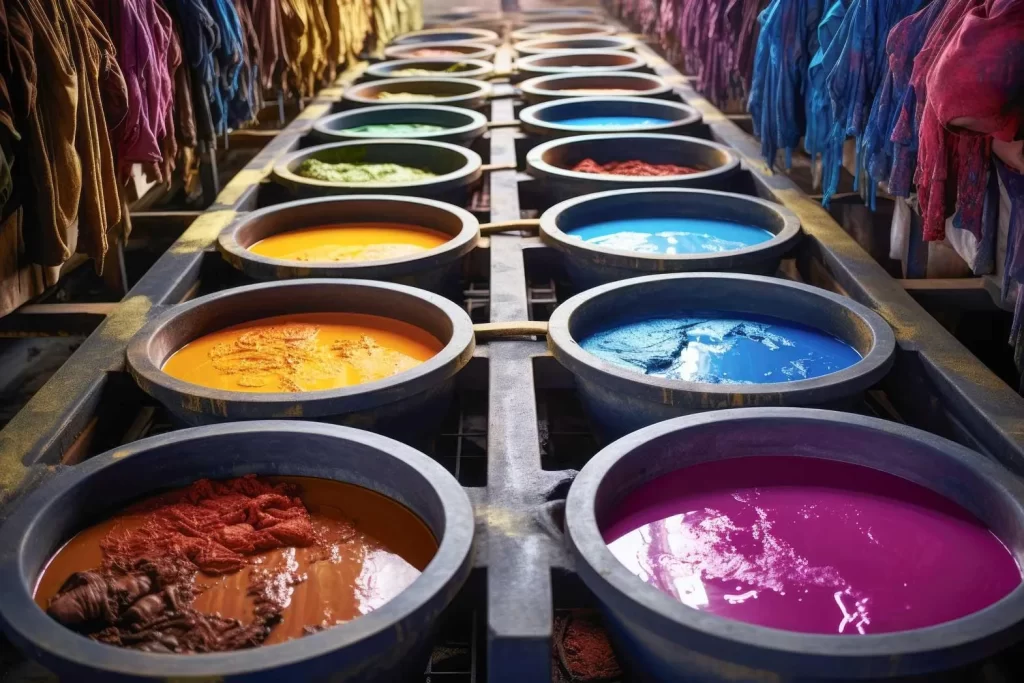
Of course, the early dyers didn’t know the meaning of all this chemistry, they discovered things empirically, no doubt early results were a result of accidental contamination, but the dyer’s vats became the crucible for chemical experimentation. Other chemical factors which were discovered and deployed in dyeing include:-
pH Adjusters: Acids or bases (eg. Acetic acid, urine, caustic sods) crucial to initiate bonding of dyes to fibres.
Electrolytes: Salt (NaCl or Na2 SO4) used to force dyes out of solution and onto the fibres
Mordants: Metal ions (Aluninium, copper, iron) which act as a bridges between natural dye molecules and fibre – these illustrate how empirical learning can occur as simply conducting dyeing in different containers made of different metals would produce more or less effective results.
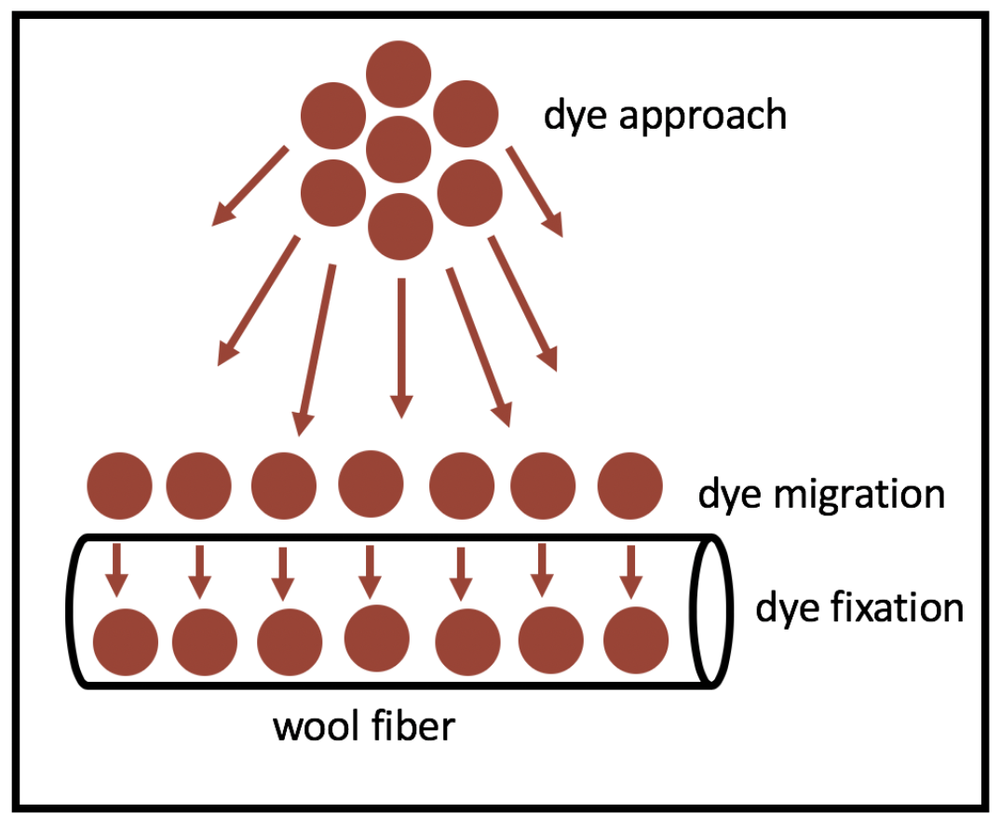
Let’s look at just one dyeing process – that of wool, to understand what happens…
The illustration shows the three stages of wool dyeing, firstly the Dye Approach, in which wool is added to the dye solution and heated up. The dye molecules immediately coat the wool surface but water then moves into the fibre making it swell up and allowing the dye to better penetrate the fibre. Dye Migration – the dye molecules move in and out of the fibre and even themselves out, migrating from darker to lighter areas until an equilibrium of molecules both in the wool fibres and the solution is reached. Dye Fixation – the wool is temporarily removed form the dye bath and a mild acid is added such as citric acid – a mordant that lowers the pH of the bath so that when the wool is returned to the dye bath, the dye molecules are forced to bond with the wool fibre – the bath is heated slightly more and “cooked” for another 60 minutes until the bonding has occurred both on the surface and inside the wool fibres.
Textured Weaving Effects are the next simplestway of decorating fabric and we have already encountered the Twill Weave which has produced such classic fabrics as Denim, a tough working fabric which in terms of dyeing, may be warp dyed, undyed, or dyed after weaving – more of denim when we get to working fabrics… but corduroy, cambric (basket weave), and Georgette (made with highly twisted yarns) are all examples of textured weaving.
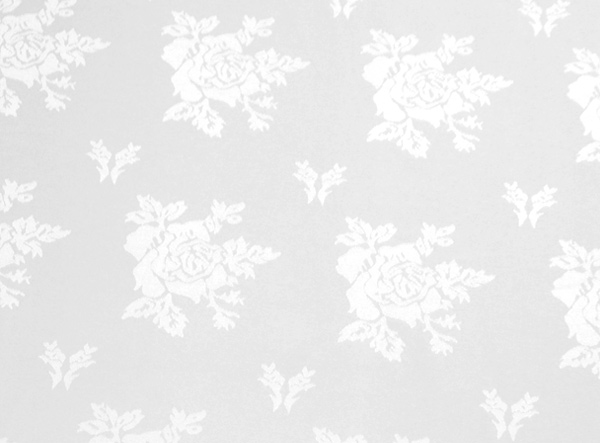
Next, patterns may be woven in – Damask, for example, which at its simplest, achieves patterns with a limited or single coloured yarn by varying the weave texture between satin and plain.
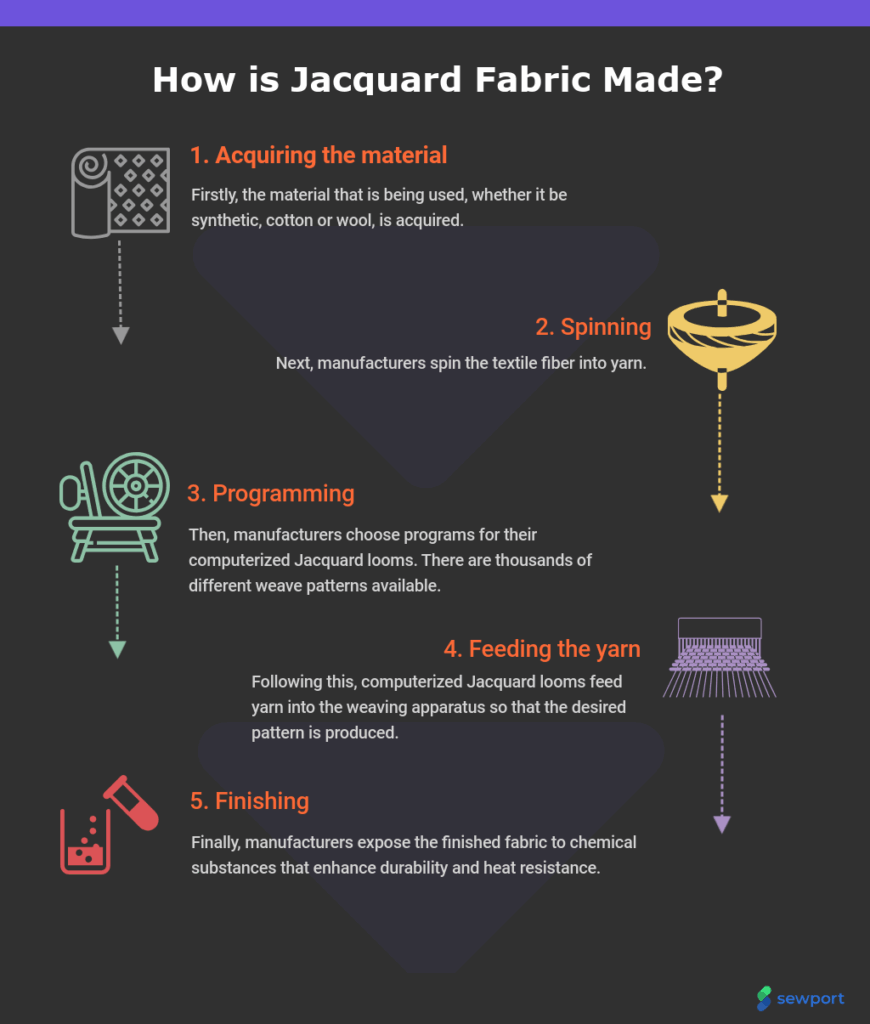
Another fabric in which highly patterned effects are woven in on the loom, is Jacquard – using a Jacquard loom. Producing tough, brocade like fabrics often used for furnishing and curtains.
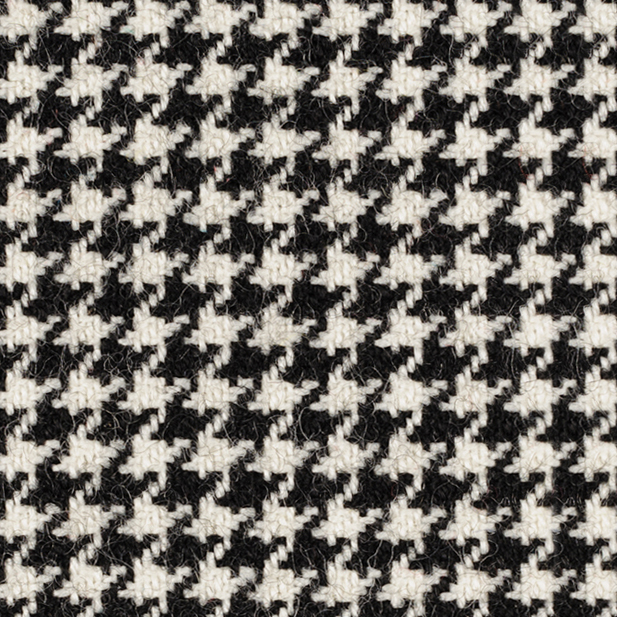
Once you start introducing different coloured yarns you are into a world of plaids and tartan before you even start on more complicated weave patterns like houndstooth.
This example of houndstooth clearly shows the classic, two-colour weave pattern.
Once a fabric is finished, in can then be embellished with further stitched patterning – Embroidery:- The word embroider has come to mean the addition of anything to anything in order to make it more attractive, detailed, or meaningful – but originally it meant stitching additional threads onto a material. There is so much to say about Embroidery that I am going to give it, it’s own slot tomorrow and Printing on fabrics will be covered when we get to “P”…
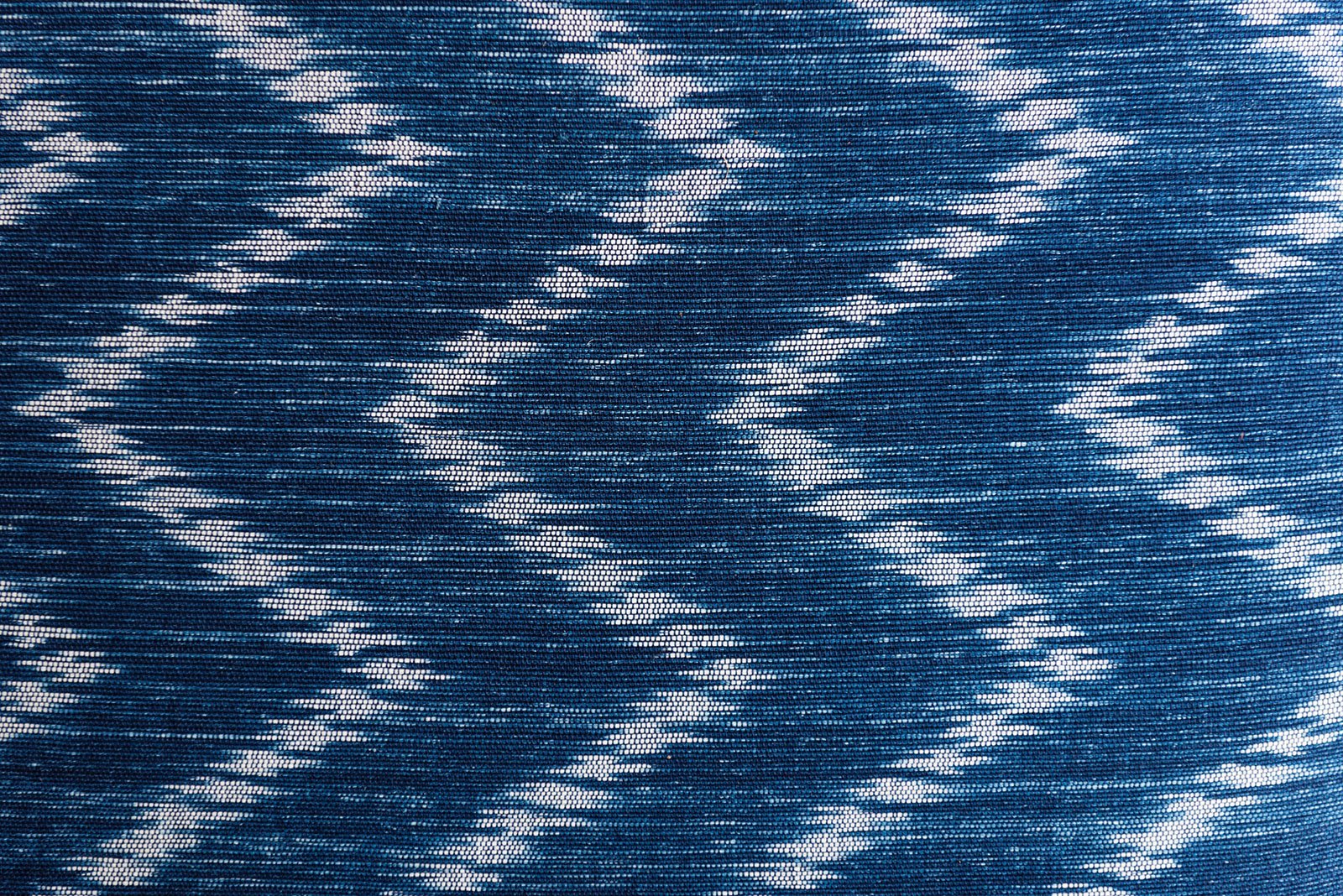
P.S. As Anne M. Bray points out in the comments below, I misssed out Ikat – one of the oldest fabric dyeing techniques – in Ikat, either the warp threads or the weft threads, or both which is the most complex, are bound together in bundles pre-weaving, and treated with wax in patterns that resist the dye and create a pattern in the weave. the patterns have a blurry quality which is quite different to patterns printed on after weaving…
The decoration of fabric merits n A to Z of its own, but I will leave it there and cover a few “D” fabrics.
Damask Fabric with the pattern woven in. It is reversible, hardwearing and usually made with cotton, silk or linen.
Dimity Collective term for figured cloths of harness loom decorated with designs and patterns. It is a strong cotton cloth with various stripes and illustrations. Dimity is bleached or washed after looming, less often dyed—unlike fustian, which is usually dyed.
Dobby (see also Piqué) a woven fabric produced on the dobby loom, characterised by small geometric patterns and extra texture in the cloth, The warp and weft threads may be the same colour or different. Satin threads are particularly effective in this kind of weave as their texture will highlight the pattern.
Double cloth is a lightweight, sheer cotton fabric, having at least two warp threads thrown into relief to form fine cords. Chiefly, dimity is fashioned into white bed upholstery and curtains, though it is occasionally imprinted with a colourful pattern. Dimity was historically made of silk or wool; however, since the 18th century, it has been woven almost exclusively of cotton.
Double Crepe Heavy textured fabric that is drapey, usually made with silk and wool fibres
Double Georgette Heavy denser version of georgette, characterised by its texture and transparency.
Duchesse Satin weave construction it is a structured cloth characterised by its high shine on one side and matte on the reverse
Dupioni a Plain weave cloth, is characterised by the slubby effect created when raw yarns are woven with more refined silk yarns.
World Textiles by Mary Schoeser – A Concise History, Thames & Hudson world of art 2003 pp. 28
I compiled a list of as fabrics, fibres and related items as possible (278 items), from several sources, the most comprehensive of which was Wikipedia. Since there are only 26 letters in the alphabet, I could not write in detail about every instance so I have taken snippets of text for the brief descriptions and linked to the source in the name of the item. I am indebted to all the contributors to those Wikipedia pages and the depth of knowledge to be found there…
“Choose any subject you would like to write about…” that is the object of the A to Z Challenge, and thinking of things that interest me is not a problem for me, but choosing a subject not only to write about, but to write in a way that other people will catch my interest – that is the real challenge! This year I turn to a subject, close to our skin if not our hearts, and yet, again, I wonder if this subject will get some people past the title on the list – dismissed as niche? For this year, my theme is What We Wear – Fabrics and Fibres
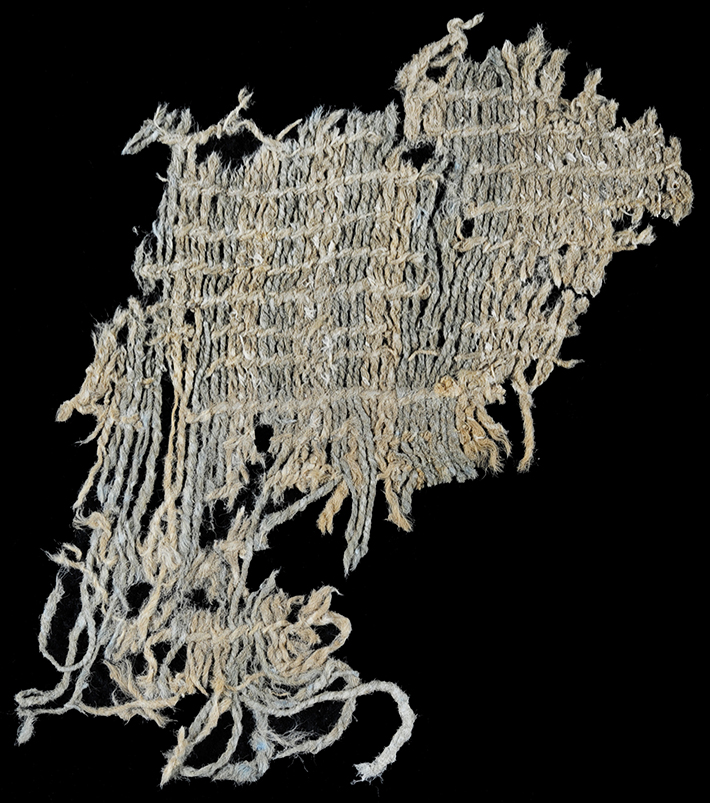
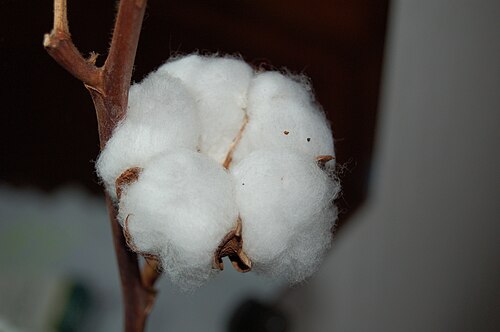
This A to Z is about both “fabrics” and the “fibres” that make them, but there are some fabrics where the fibre is synonymous with the fabric – silk, wool, and perhaps most of all Cotton. Different species of cotton were present and utilised to make fabric in both New and Old Worlds – the earliest being in Peru, but also in the Middle East and wild species of cotton grew in South Asia and beyond – but the archaeological record is mainly limited to hot, dry countries where the cotton fibres did not rot away and were preserved for the record.
European countries came to know cotton fabric comparatively late and through trade with Arab countries where it had been woven for thousands of years, and yet, geopolitically, cotton, through slavery and the industrial revolution, would change the world. “King Cotton” 1 was a term coined by by Southern US politicians and authors to describe the economic, political, and social dominance of cotton production in the American South. It signified the crop’s supremacy as a cash crop and its vital role in the global economy, particularly in supporting slavery and driving Southern confidence in secession. The cotton produced in America was shipped to England, in particular, where it powered the Industrial Revolution and turned out cheaper cotton fabric that in turn, fuelled the British Empire.
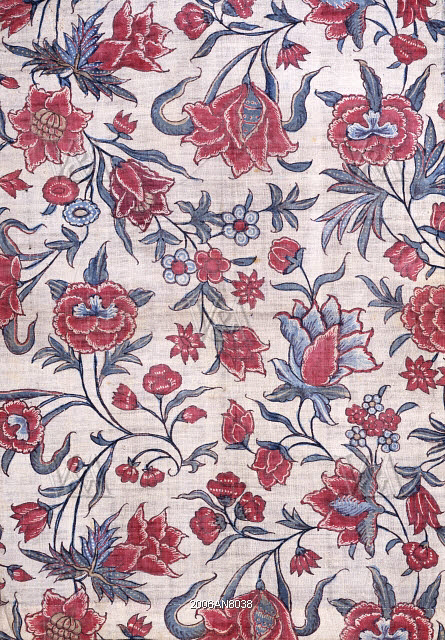
Previous to the 19th Century, the largest producer of cotton, the fibre and the fabric, was India2. From the late 17th century to the early 18th century, Mughal India accounted for 95% of British imports from Asia, and the Bengal Subah province alone accounted for 40% of Dutch imports from Asia2. Calicos and Chintzes (see below) from India became so popular that in the 18th century, the government tried to outlaw their use for clothing or domestic purposes – not least because, the trade, facilitated by the East India Company, was one way – India had no use for many British goods and so vast quantities of gold and silver were heading to India.
Meanwhile, in newly independent America, the machine that transformed cotton production by mechanising the preparation of the fibres and replacing a labour intensive process, was the Cotton Gin3. Many attempts to create such a machine had been made, but the modern mechanical cotton gin was created by American inventor Eli Whitney in 1793 and patented in 1794. Cotton grows in “bolls” where some dozen seeds are tightly enclosed amongst the cotton fibres and must be removed before the fibres can be spun into a yarn.
So great was the export flow of cotton from America to France and Britain, that Southern slave owners were convinced they had the leverage to guarantee those countries support in the forthcoming Civil War, largely fought around the issue of slavery.(Cotton Diplomacy) They were incorrect, as European mills turned to importing cotton from India and Egypt, and although slavery came to an end, the trade in cotton did not and America resumed supplying Europe with the raw material and the trade with Egypt was dropped leading to a financial crisis there which led, in part, to it’s absorption into the British Empire.
However, by the 19th century, the East India Company imposed protectionist policies combined with the Industrial Revolution in Britain, turned India from the main supplier of manufactured cotton goods, into a supplier of raw cotton and a massive market for the now cheaper British goods of all kinds – though not so much fabrics where local industry held it’s own.4
In the 20th century, the arrival in America of the Boll Weevil from Mexico, caused a Cotton Famine before it was brought under control and this issue, together with the advent of mechanised picking methods finally eradicated the need for human picking, the former slaves, now turned share-croppers, were no longer needed and many moved to urban industrial centres like Chicago.
So when you think of Cotton, think not only of the versatile fabric that it undoubtedly is, with an ancient lineage to boot, but as a game changing, empire building and crushing geopolitical force…
“C” Fabrics:-
Calico – cheap cotton fabrics from Kozhikode, then known as Calicut, in India, found a mass market among the poor in Europe. A heavy plain woven textile, it is made from unbleached, and often not fully processed, cotton and may also contain unseparated husk parts. The fabric is coarser than Muslin, but less coarse and thick than Canvas or Denim. It’s cheapness comes from its unfinished and undyed appearance. When glazed, calico becomes Chintz which can then readily take decorative printing.
Chintz – The import of cheap calicos and chintz from India, was an enormous threat to the manufacturers of Woolen and Worsted fabrics for which 18th century England was famous. In 1700, the first attempt to suppress these imports, lobbied for by the wool industry in towns like Norwich, was the Calico Act which banned the import of Calico prints5 (Chintz). So the East India Company simply switched to unprinted calico – Greige or “grey” fabric. Greige cloth was already being produced in the newly mechanised mills of Lancashire so they received a boost from the Calico Act and sent their cloth to London to be finished. Griege or grey fabric can refer to any unfinished woven or knitted fabric, cotton, wool silk or any other kind. The Lancashire mills often used grey cloth with linen warp and cotton weft, known as fustian.
Early Indian Chintzes were hand painted which graduated to wood-block printing – a technique that spread to England but was eventually relaced by a printing technique in 1783 that used copper rollers invented by Thomas Bell. Production in Lancashire shot up from an estimated 50,000 pieces of 27 metres (30 yards) to 20,000,000 pieces in 1850!5
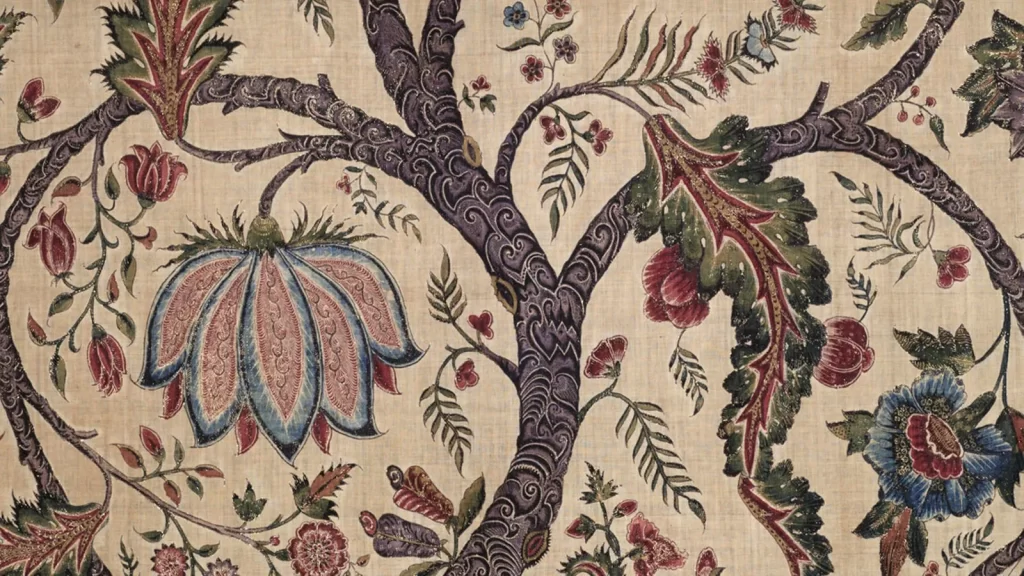
Chintz fabric is still popular today and is often associated with furnishing and curtain fabrics in which context it has given rise to the word “chintzy”, meaning fussily floral décor.
Contemporary curtain fabric from Terrys – featuring a Jacobean design.
There are a great number of other “C” fabrics including:-
Camberwick – or Candlewick is made from a traditional weaving technique called candlewick. This technique involves using a soft, thick yarn that is woven into a loose, looped pattern to create a raised, textured surface. Typically used for bedspreads.
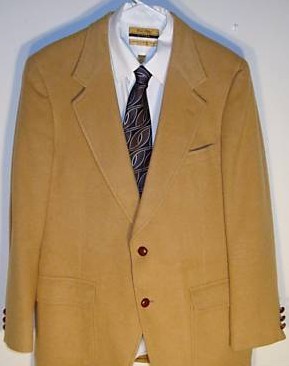
Camel Hair – specifically refers to the fur from the body of a camel, but more generally refers to the fibre (and cloth) that may be made from either pure camel hair or a blend of camel hair and another fibre. Camel hair coats were considered a status symbol…
Camlet, Cannequin, Chine and Crash will be covered in H for Historic Fabrics
Canvasand Cheesecloth will be covered in W for Working Fabrics
Cavalry Twill, Clocqué, Cordura will be covered in M for Military Fabrics
Challis (Challie, Chally) – a soft and lightweight, woven fabric originally made from a silk/wool blend but can also be made from a single fibre, natural or synthetic.
Chambray and Cambric– Chambray, though the same type of fabric as Cambric, has a coloured warp and a white weft, though it may be “made from any colour as you may wish, in the warp, and also in the filling; only have them differ from each other.”6 Originally made from linen but later cotton too.
Change will be covered in O for Other fabrics
Charmeuse, Crepe Back Satin – Similar in nature, Charmeuse satin fabric is known for its lightweight, silky-smooth surface and high-gloss sheen. It feels incredibly soft against the skin, making it a popular choice for lingerie, slinky gowns, and blouses. The front side shines with a brilliant luster while the back is matte and slightly dull. Crepe back satin is generally heavier than charmeuse. It offers better structure and slightly less fluid drape, making it easier to sew for tailored designs that need a bit of body without being stiff.
The name is given both to the fabric and the yarn fromwhich it is made – a fuzzy, soft pile yarn which gets its name from the French word Chenille meaning caterpillar refers to the furry look of the yarn.
Twill fabric originally made from pure cotton. The most common items made from it, trousers, are widely called chinos. Today it is also found in cotton-synthetic blend
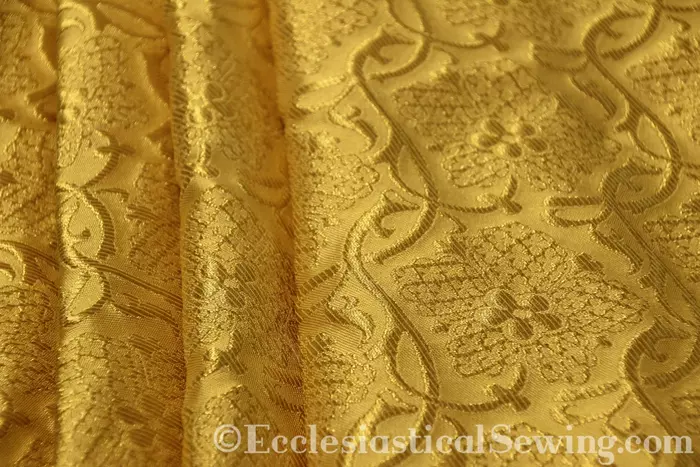
Cloth of gold or gold cloth (Latin: Tela aurea) is a fabric woven with a gold-wrapped or spun weft—referred to as “a spirally spun gold strip”. In most cases, the core yarn is silk, wrapped (filé) with a band or strip of high content gold. In rarer instances, fine linen and wool have been used as the core.
Whilst a Twill weave produces fine ridges, in Corduroy, a special loom introduces a weft pile that make ridges called wales thus creating a very strong and durable fabric. Many are the corduroy trousers I have worn until the pile ridges have worn away and still the underlying fabric is sustained… However, I shall speak more about corduroy under F, for Fustian.
A fabric with a crisp appearance and particularly associated with mourning clothes. It is woven of hard-spun yarn, originally silk “in the gum” (silk from which the sericin had not been removed). The Wikipedia entry for Crêpe (textile), details an enormous number of variants of Crêpe whilst the Silk Society list of fabrics has this to say: a weave defined by its uneven surface, it is the twisted yarns that create the texture. It is usually made from fibres such as silk and wool and comes in many different weights.
Originally a strong, white fabric with a hempen warp and linen weft. The word is now applied to a strong, printed cotton cloth, which is stouter than chintz but used for very much the same purposes. It is usually unglazed and may be printed on both sides and even with different patterns.
Crochet and Tunisian Crochet I shall deal with these under K for Knitting and Crochet.
Turnbull, A History of Calico Printing in Great Britain, 1951.
Bronson, J. and R. (1977) [First published in 1817]. Early American Weaving and Dyeing: The Domestic Manufacturer’s Assistant and Family Directory in the Arts of Weaving and Dyeing. New York: Dover Publications. P 21.
I compiled a list of as fabrics, fibres and related items as possible (278 items), from several sources, the most comprehensive of which was Wikipedia. Since there are only 26 letters in the alphabet, I could not write in detail about every instance so I have taken snippets of text for the brief descriptions and linked to the source in the name of the item. I am indebted to all the contributors to those Wikipedia pages and the depth of knowledge to be found there…
“Choose any subject you would like to write about…” that is the object of the A to Z Challenge, and thinking of things that interest me is not a problem for me, but choosing a subject not only to write about, but to write in a way that other people will catch my interest – that is the real challenge! This year I turn to a subject, close to our skin if not our hearts, and yet, again, I wonder if this subject will get some people past the title on the list – dismissed as niche? For this year, my theme is What We Wear – Fabrics and Fibres
In the course of researching this A to Z, I unearthed 233 different kinds of fabric, some historical, some staples of haberdashery to this day, and some the product of the latest technology – but some names jumped out because they are brand names that have become synonymous with particular fabrics, even though others have copied them (think the way all vacuum cleaners were, for a long time Hoovers) and so here are a few…
Brands
In 1888, Lewis Haslam, a Lancashire mill owner and politician, together with a couple of doctor partners, experimented with creating a fabric that trapped cells of air within the warp and weft of cotton fabric – a fabric that would help keep you warm in Winter and equally, insulate you against excessive heat in Summer. The company grew steadily, with the Women’s Land Army wearing Aertex shirts during World War 2 and British Army forces wearing them in North Africa and the Far East. Soon after the war, Princesses Elizabeth and Margaret were reportedly wearing Aertex and by the 1960’s, Aertex were making a whole range of School Uniforms and Sportswear across the board. The England Football Squad wore Aertex in the 1970 Olympic Games.
The world’s first ever shirt shop, Charvet was founded in 1838. Since the 19th century, it has supplied bespoke shirts and haberdashery to kings, princes, and heads of state. Thanks to the renown of its ties, charvet has become a generic name for a certain type of silk fabric used for ties.
Duffel, Loden cloth, Melton
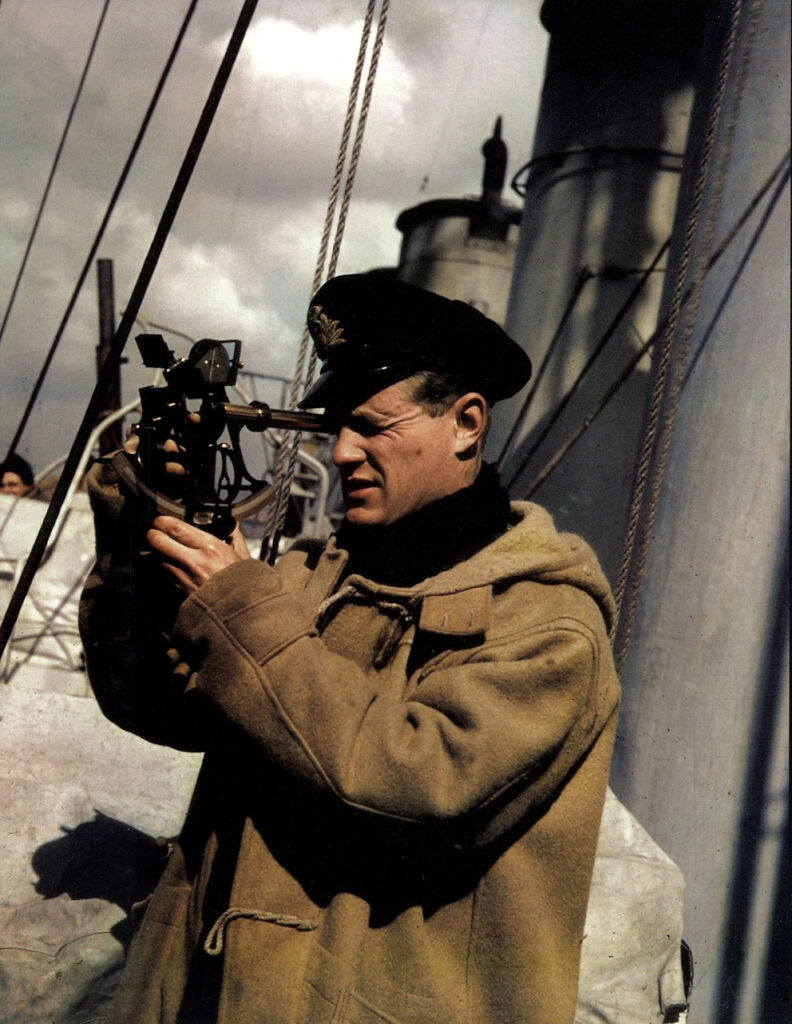
Duffel, Loden cloth and Melton are all durable, heavyweight wool fabrics primarily used for cold-weather outerwear like coats and capes, but the Duffel Coat in particular – named for the town of Duffel in Belgium, where the original duffel fabric was made from a coarse, black wool – became famous when the British Royal Navy adopted the duffel coat, known for its toggle closures and roomy design. It is worth noting that wool retains excellent insulation properties even when wet.
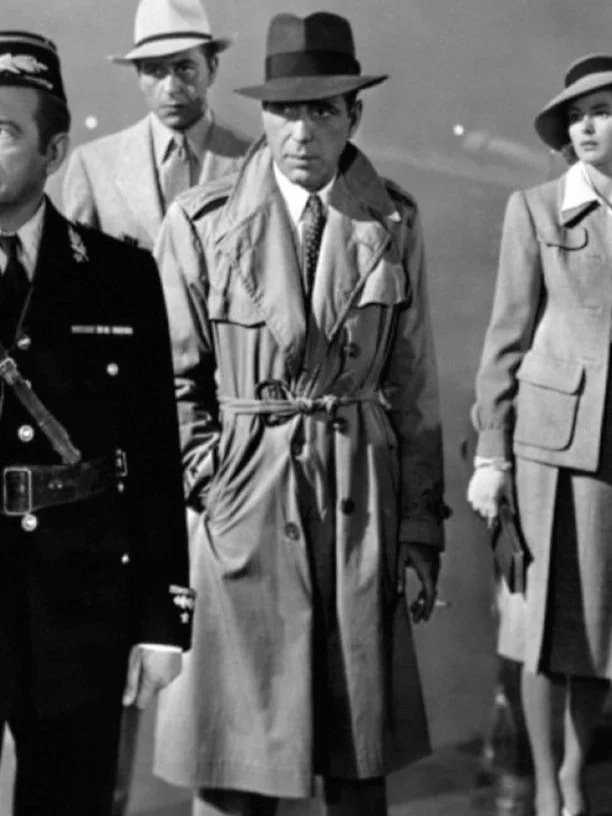
The “Mac” or Mackintosh, was invented in 1824 by Scottish inventor Charles Macintosh and was a rubberised fabric, but the Gabardine Mac was developed by Thomas Burberry using his patented gabardine fabric in 1886, which was durable, water-resistant, and breathable. Gabardine is characterized by a strong, warp-faced twill weave, which creates a prominent diagonal rib on one side and a smooth surface on the other andtThough not fully waterproof, the very tight weave makes it shower proof. Another Englishman whose brand, like Burberry, is still going strong, was John Emary patented a water-repellent fabric in 1853, founding Aquascutum and gaining success with his “Aquascutum Wrapper.”
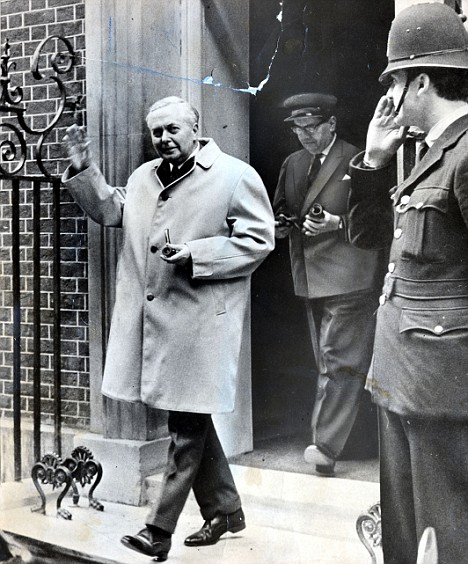
Gannex Another iconic waterproof coat made famous by Prime Minister Harold Wilson, was the Gannex, made here in West Yorkshire bonding a nylon waterproof outer coating to a woollen lining.
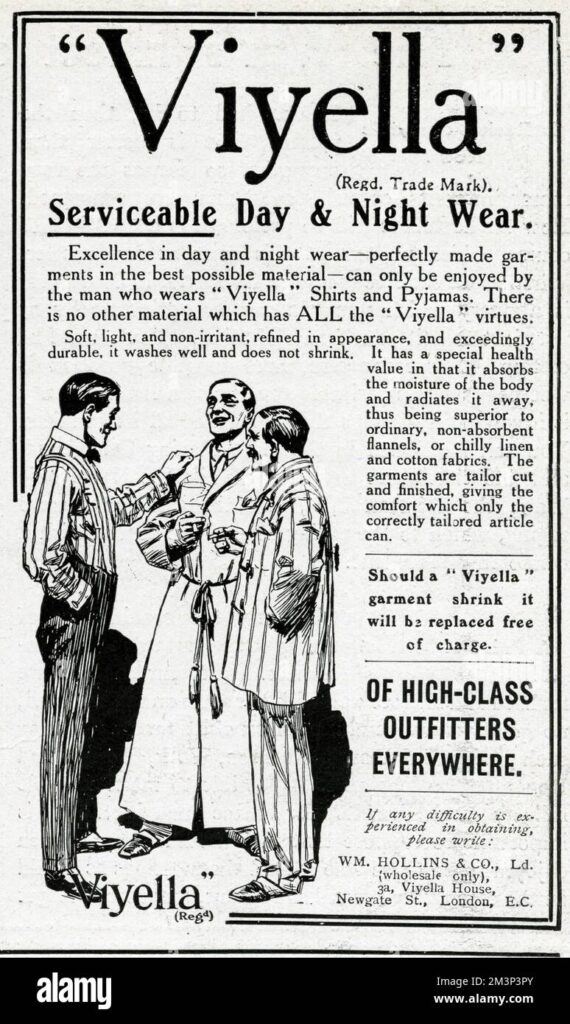
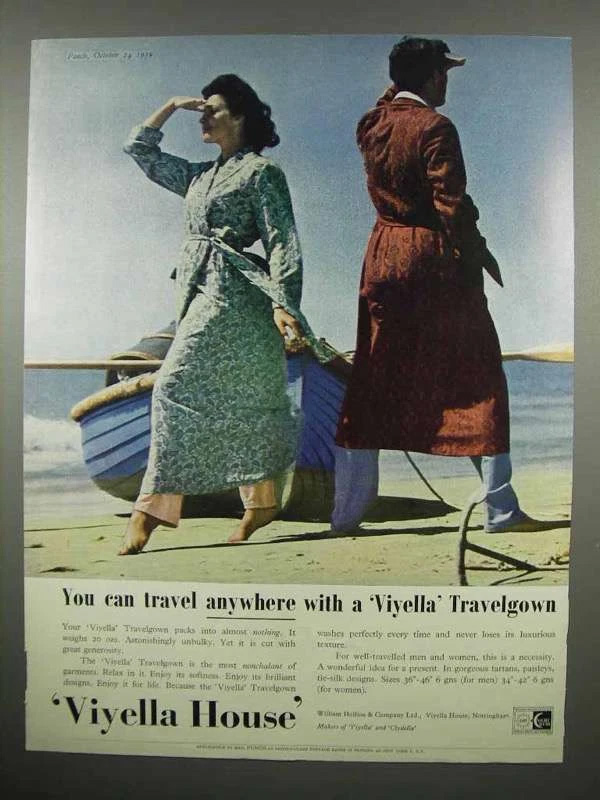
Viyella claimed to be “first branded fabric in the world” and it was a blend of 55% merino wool and 45% cotton in a twill weave, which segues us nicely from brands to blends. When you blend two different fibres, in this case wool and cotton, you get a combination of the properties of each – much like alloys in the world of metal, and like alloys, sometimes a small amount of one constituent can make a big difference to the overall behaviour of the mixture. In the case of Viyella, wool is soft and stretchy, prone to shrinking if washed too hot but with good insulating properties whilst cotton is stronger and stiffer, so the resulting mix is a soft dress-weight fabric that was more resistant to shrinkage than any comparable pure wool alternative. Viyella also made clothing using their new blended fabric, firstly as a separate company but then combined and offering a franchise operation, allowing other companies the right to produce under the Viyella trademark. This was also something of a first and Viyella became one of the largest fabric companies in Britain with 40 factories.
The original blend is no longer made and Viyella, in financial difficulties in 2009, was eventually bought by Austin-Reed.1
An ad for Viyella from 1959
The term “blended fabric” is not new, in antiquity, fibres were combined to enhance the suitability of textiles for daily use; for instance, silk was blended with cotton or linen to improve durability and of course, cost is also a consideration since silk is much more expensive than either cotton or linen. Large-scale production of blended fabrics, however, commenced only with the Industrial Revolution.
Here are some common blends, Polyester-Cotton (Polycotton), Wool-Synthetic Blends, Cotton-Spandex. Silk-Synthetic Blends and Rayon Blends and we shall examine these later on.
Below is a table of straightforward fibre properties:
Property
Cotton
Wool
Silk
Polyester
Nylon
Acrylic
Elastane
Origin
Natural (Plant)
Natural (Animal)
Natural (Animal)
Synthetic
Synthetic
Synthetic
Synthetic
Strength
Medium
Low
High
High
Very High
Medium
High
Elasticity
Low
High
Medium
High
High
High
Excellent
Moisture Absorb.
High
High
Medium
Very Low
Low
Low
Poor
Warmth
Fair
Excellent
Good
Fair
Fair
Good
Good
Breathability
Good
Good
Fair
Poor
Poor
Poor
Poor
Durability
Good
Medium
Good
Excellent
Excellent
Good
Excellent
Crease Resistance
Poor
Good
Fair
Excellent
Excellent
Good
Excellent
Biodegradability
Yes
Yes
Yes
No
No
No
No
Cost
Low
Medium-High
High
Low
Low
Low
High
Today, many more factors go into designing a fabric blend, sustainability (environmental concerns), enhanced breathability, cost-effectiveness, versatility, aesthetic and textural properties, skin-friendliness, geo-political issues and trade concerns, and lastly, recyclability. As we go through the many fabrics we will encounter various blends and under “F” we will be considering the constituent Fibres but for now we have defined the principle of blending.
“B” Fabrics
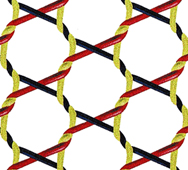
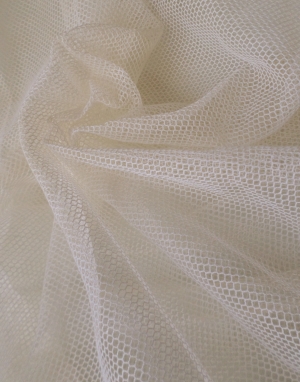
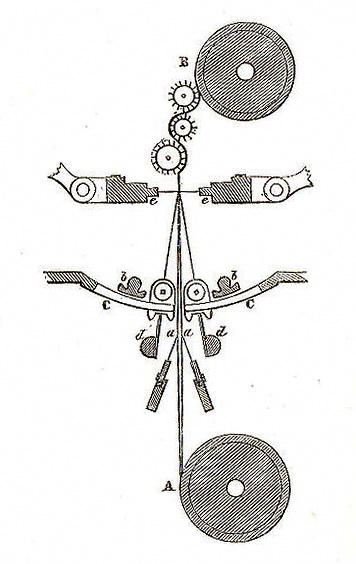
Bobbinet or “True Tulle”, is important as a ground for making lace. This long sought mechanical method of making tulle, was previously carried out very laboriously by hand as part of lacemaking, which we shall come to with “L”…
The structure of Bobbinet, which is made by looping the weft thread around the vertical warp thread2.
Bobbinet fabric.
Bobbinet (métier bobin) schematic. The bobbinet framework consists of:
A – Warp beam
B – Lace take up roller
C – Represents the combs or guides, with two brass-bobbins in their carriers.3
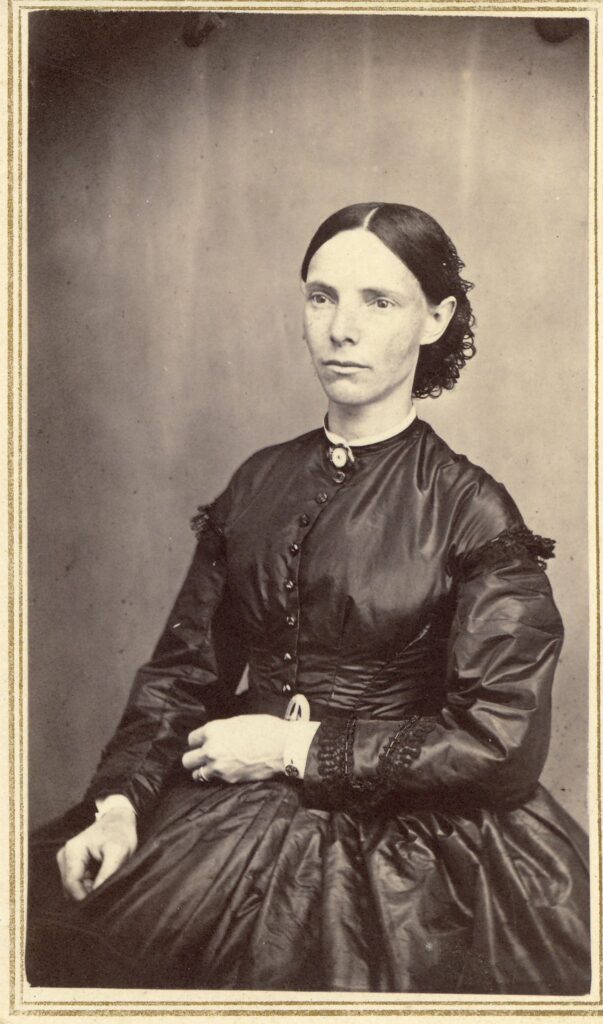
Bombazine is also a blend of fibres, silk and wool, though more recently (and cheaply) cotton and wool. Quality bombazine has a silk warp and a worsted weft – t is a twill weave which gives it a very fine corded appearance. Made ever since, the 16th century, black bombazine has traditionally been used for mourning wear, right through to Victorian times – perhaps because, whilst subdued in colour, the silk nevertheless gave the fabric a subtle shine so not without a little glamour…
It is possible that Bombazine is still being made but I couldn’t definitively track it down.
Bombazine mourning wear….
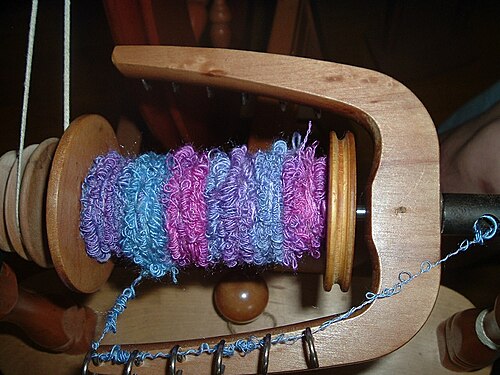
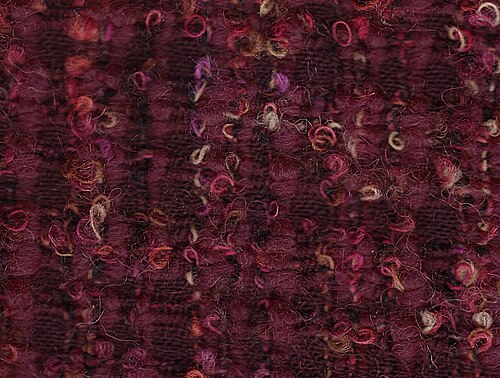
Bouclérefers to both a yarn and the material woven, or knitted with it. To make the yarn, two stands of fibres are combined by spinning, with one strand (the Anchor) being kept taut and the other loose (the Effect strand) so that the effect one wraps around the anchor in a series of loops.
I compiled a list of as fabrics, fibres and related items as possible (278 items which I will make available at the end of the A to Z), from several sources, the most comprehensive of which was Wikipedia. Since there are only 26 letters in the alphabet, I could not write in detail about every instance so I have taken snippets of text for the brief descriptions and linked to the source in the name of the item. I am indebted to all the contributors to those Wikipedia pages and the depth of knowledge to be found there…of the item. I am indebted to all the contributors to those Wikipedia pages and the depth of knowledge to be found there…